 Full-day tour from US$122
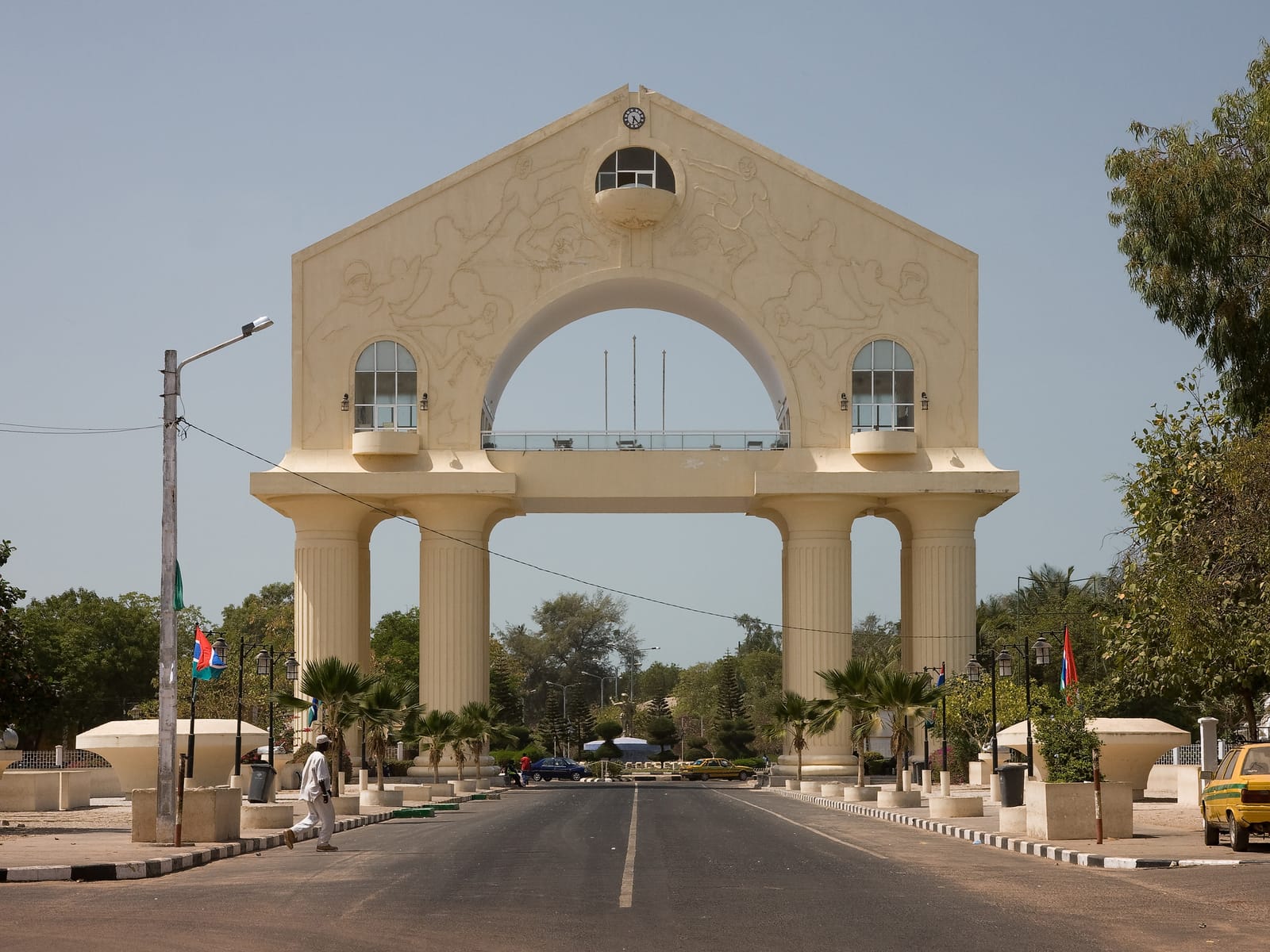
 Banjul City & Wildlife Day Tour
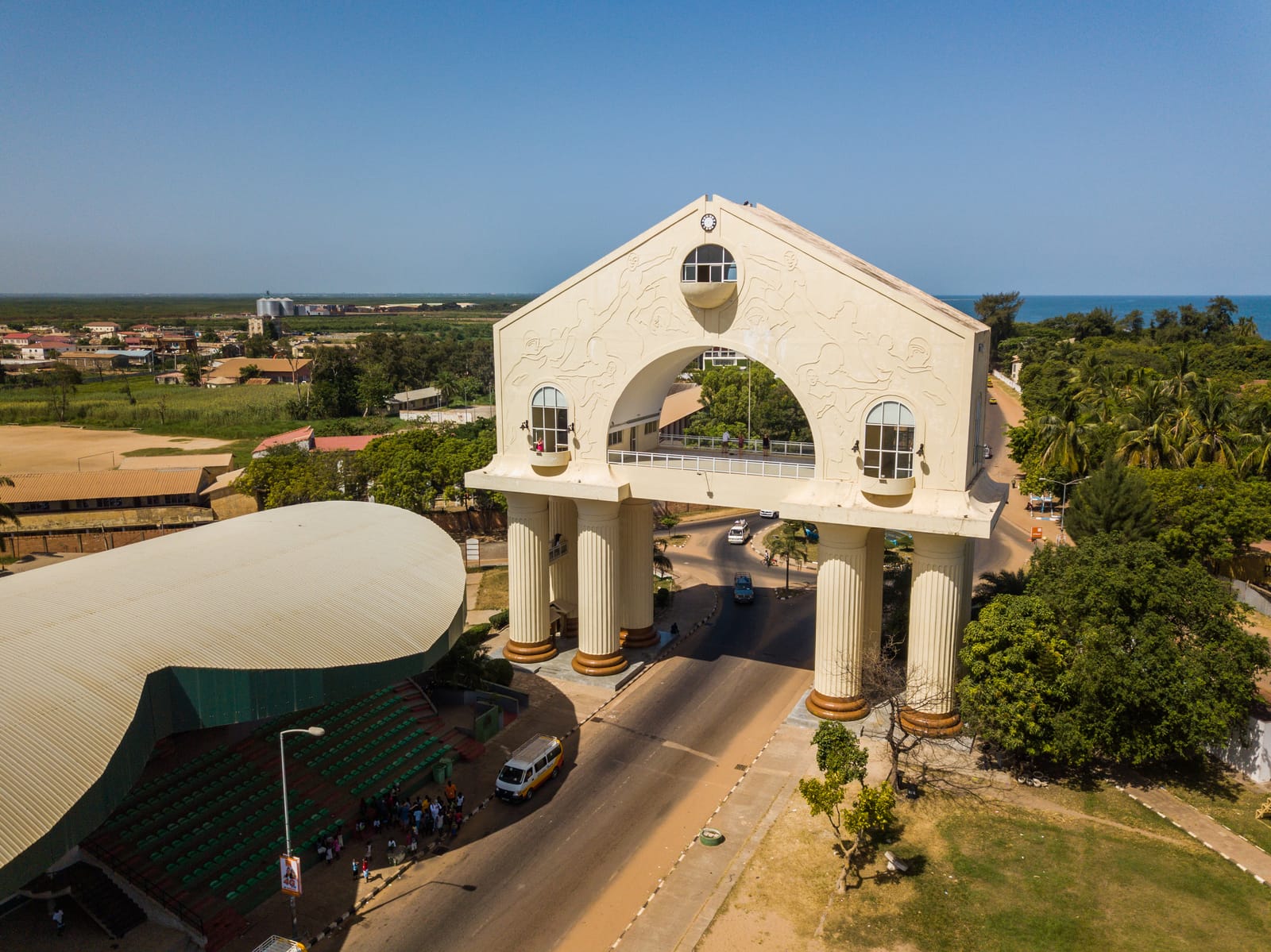
- Climb Arch 22 for the best view over Banjul and the river mouth
- Gambia National Museum and the bustle of Albert Market
A river, a coastline and the friendliest welcome in West Africa — six hours from Europe. Hand-picked tours, honest advice and everything you need to plan an unforgettable trip to The Gambia.
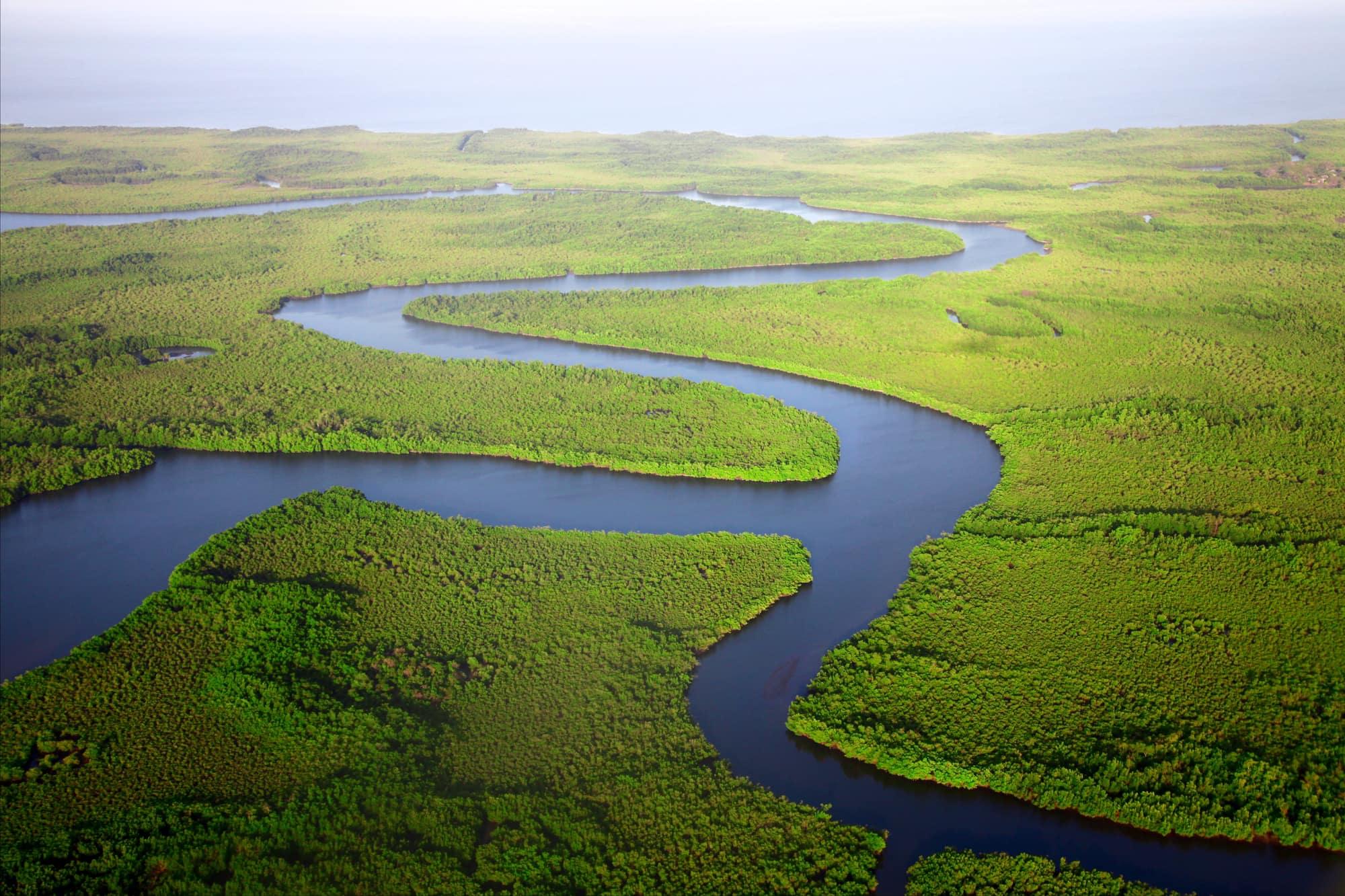
The Gambia is a 480 km ribbon of land wrapped around a single great river, the smallest country in mainland Africa — and it holds 80 km of Atlantic beach, more than 560 recorded bird species, a UNESCO World Heritage slave fort, wild chimpanzees, and a national reputation for hospitality earned the hard way.
Everything is close together. You can watch fish come ashore at Tanji in the afternoon, walk with monkeys before breakfast, and be standing on Kunta Kinteh Island by mid-morning the next day. We help you choose the right experiences, book them in minutes, and get far more out of each one.
Curated, top-rated experiences booked through GetYourGuide. Prices are indicative starting points — tap any tour for live availability.
Full-day tour from US$122 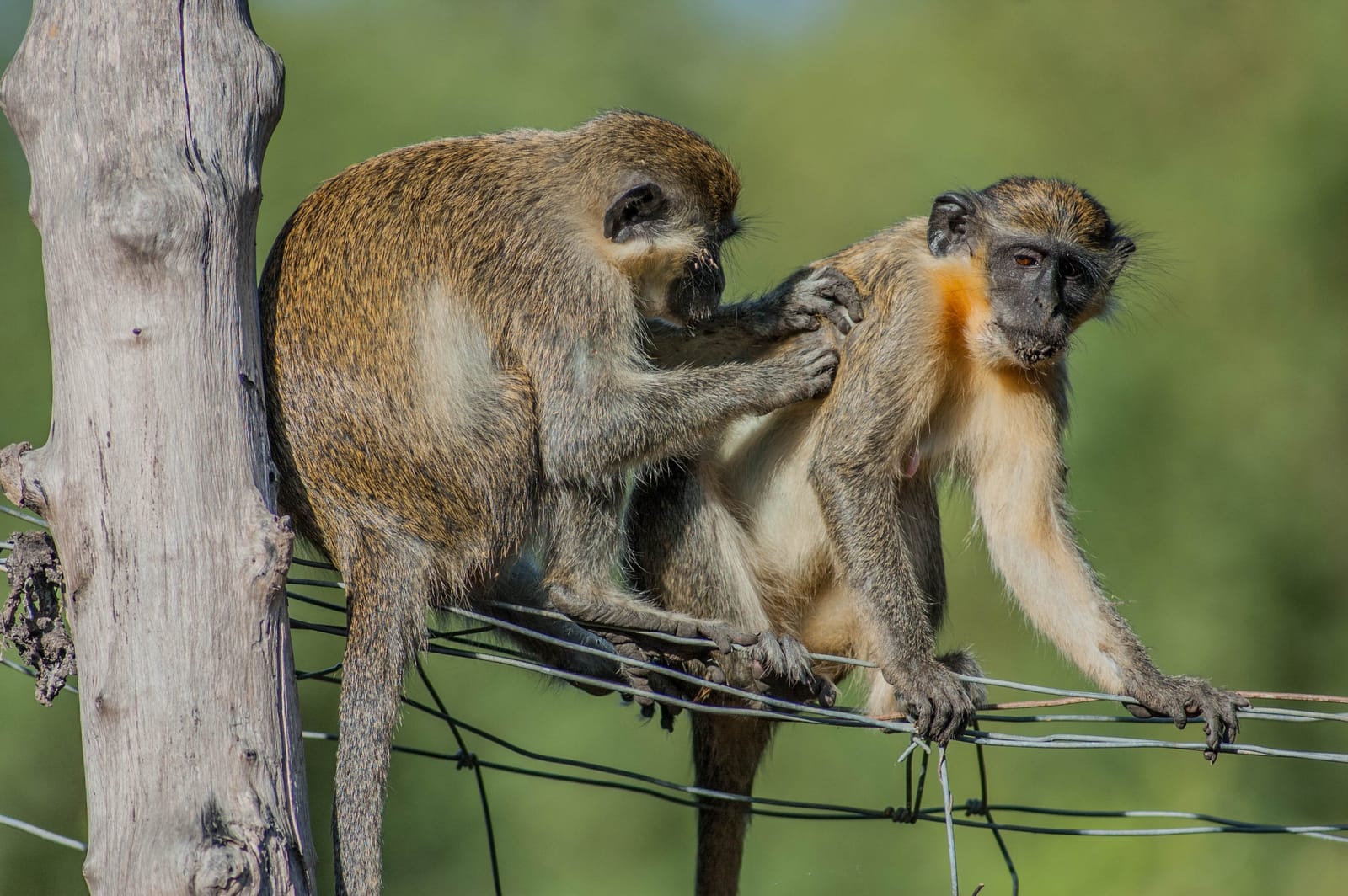 Full-day tour from US$149
 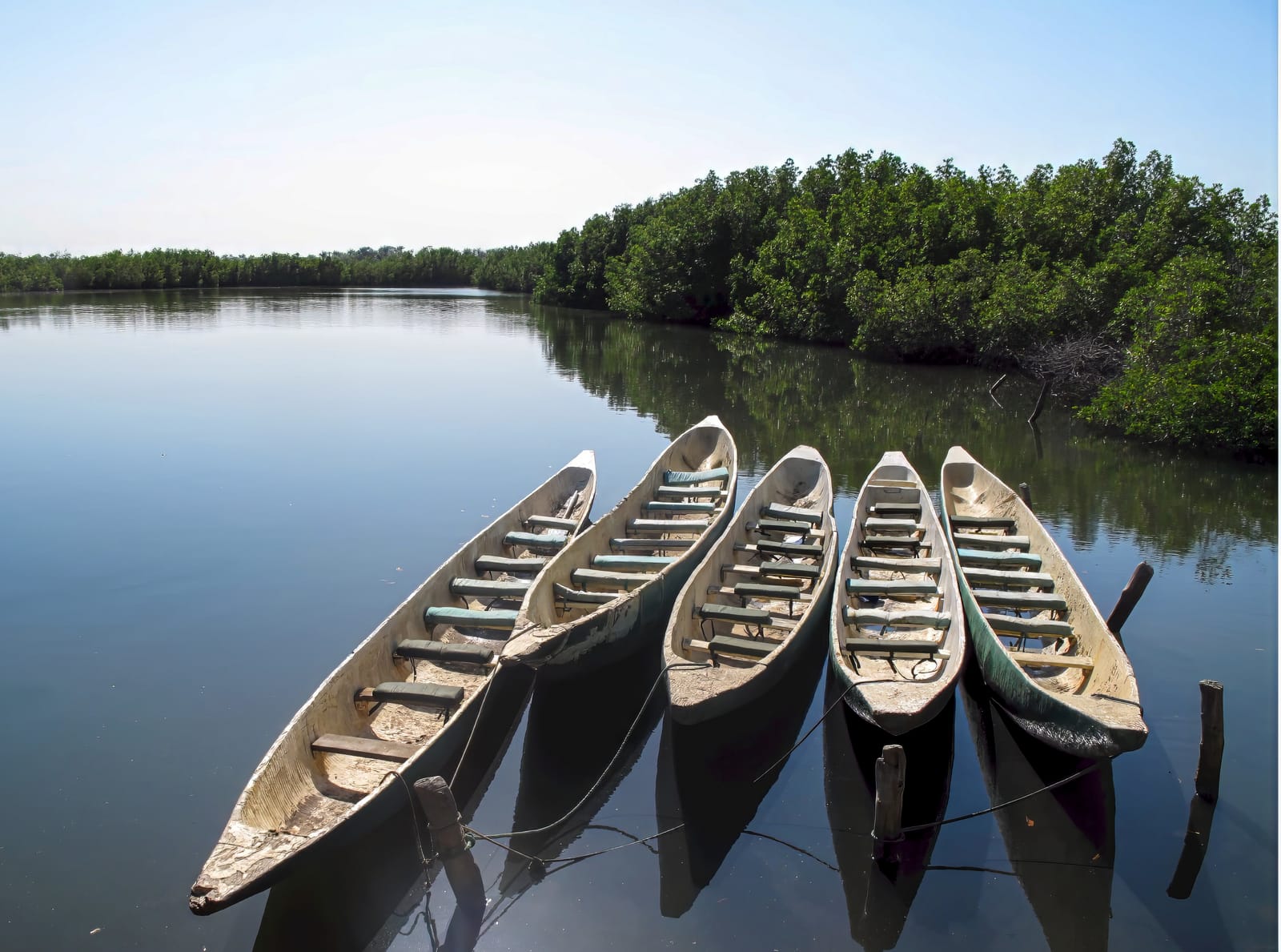 Boat cruise from US$134
 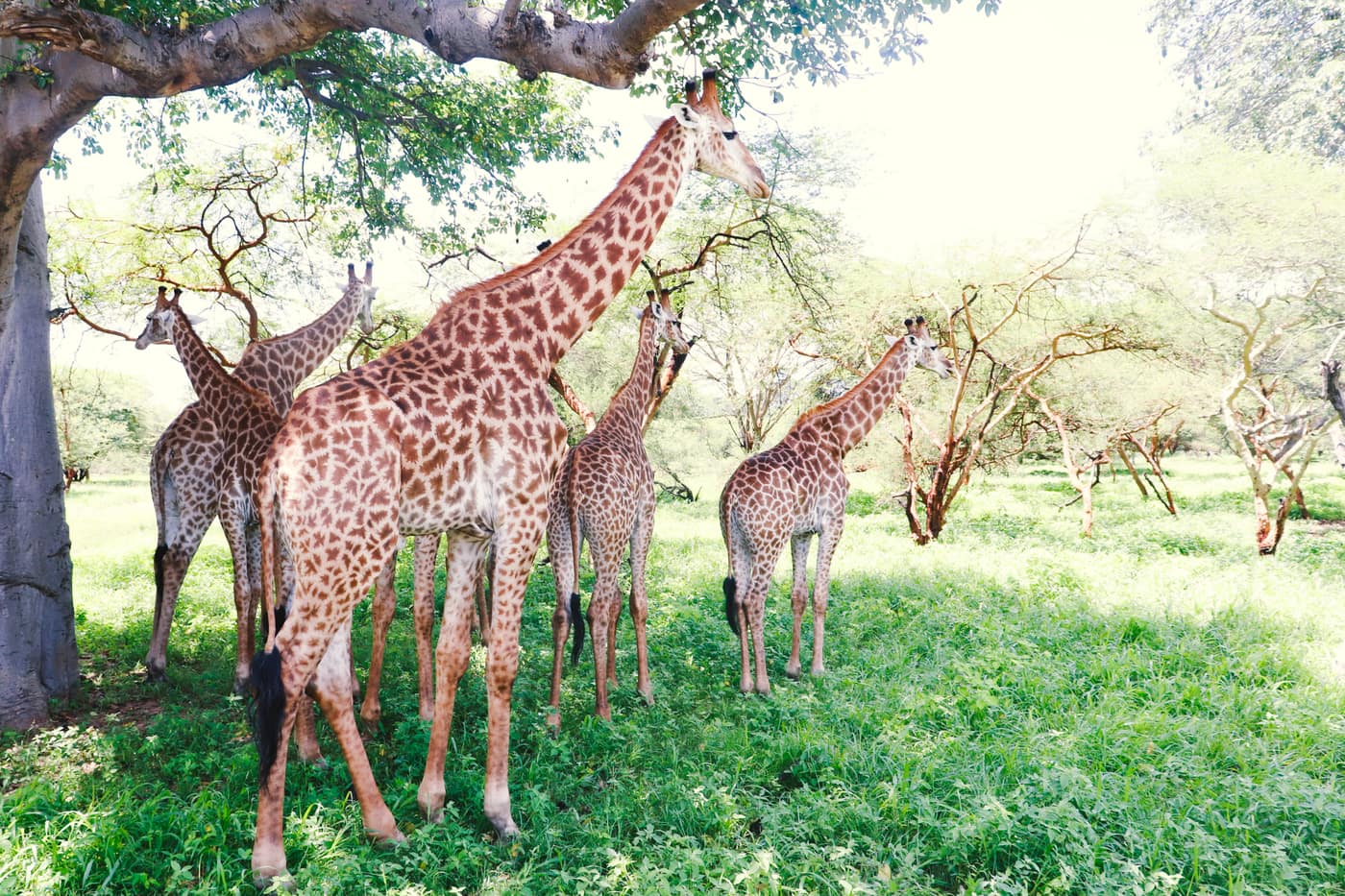 Safari day trip from US$257
 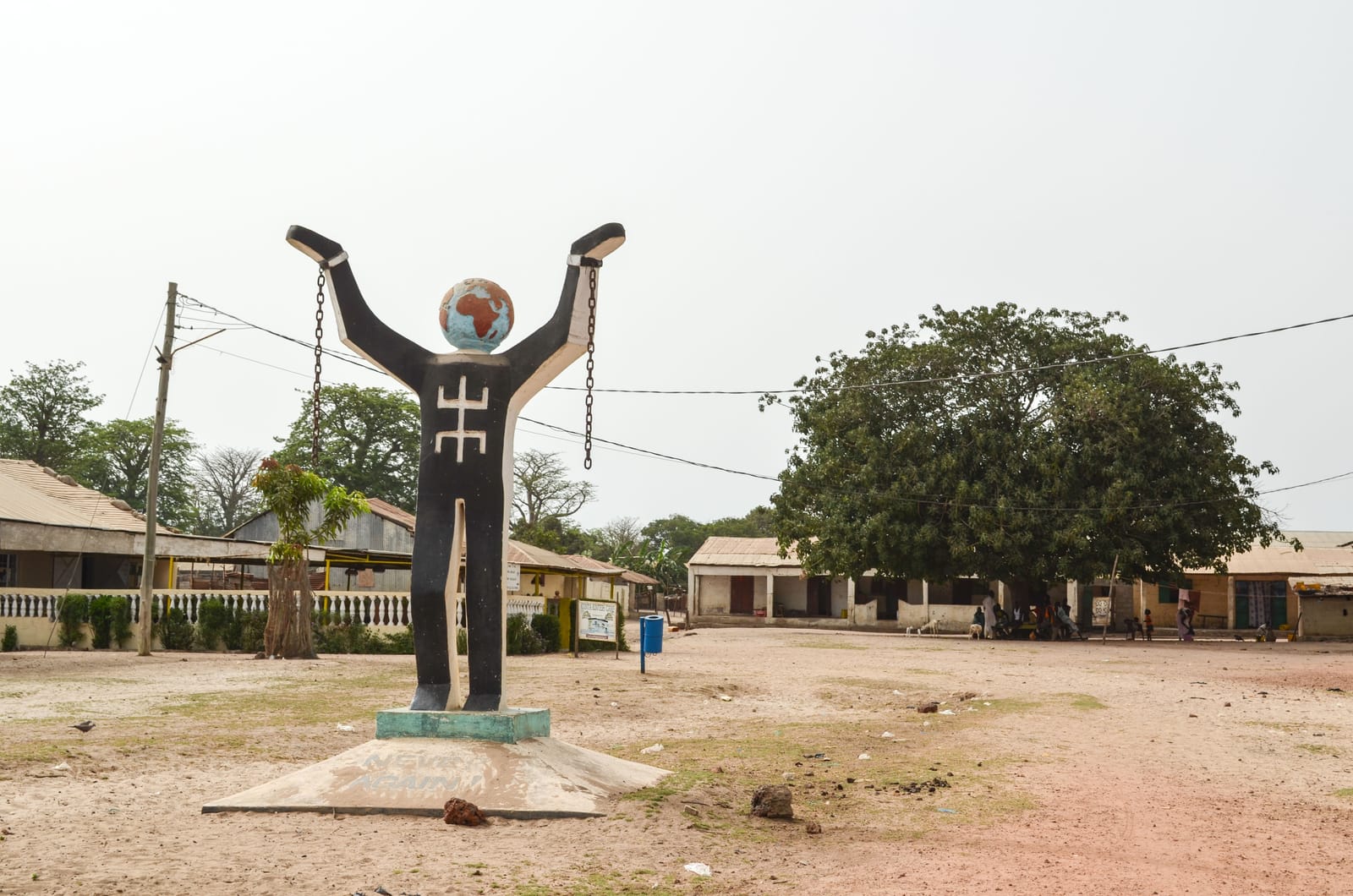 History tour from US$162
 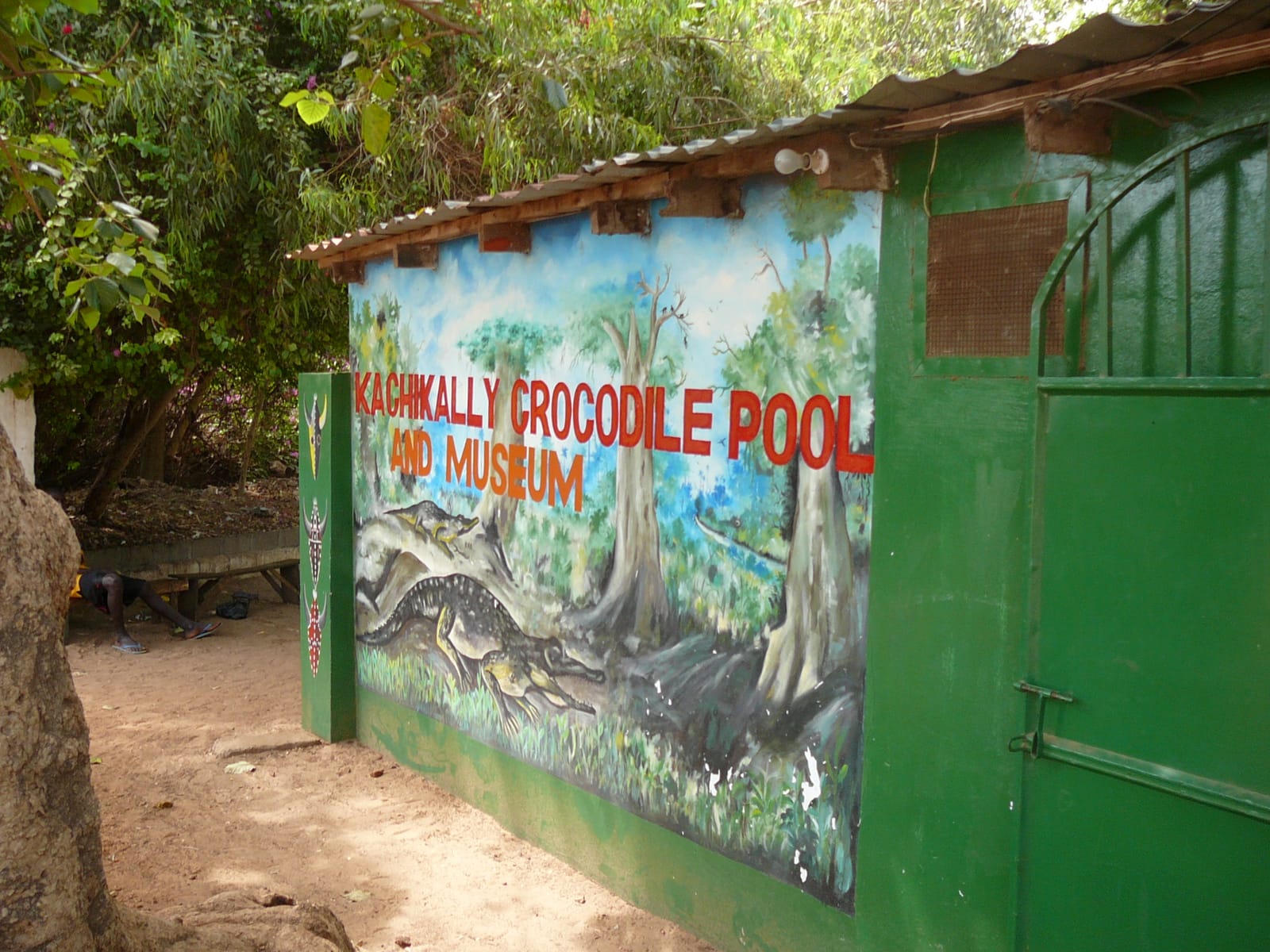 Half-day tour from US$156
 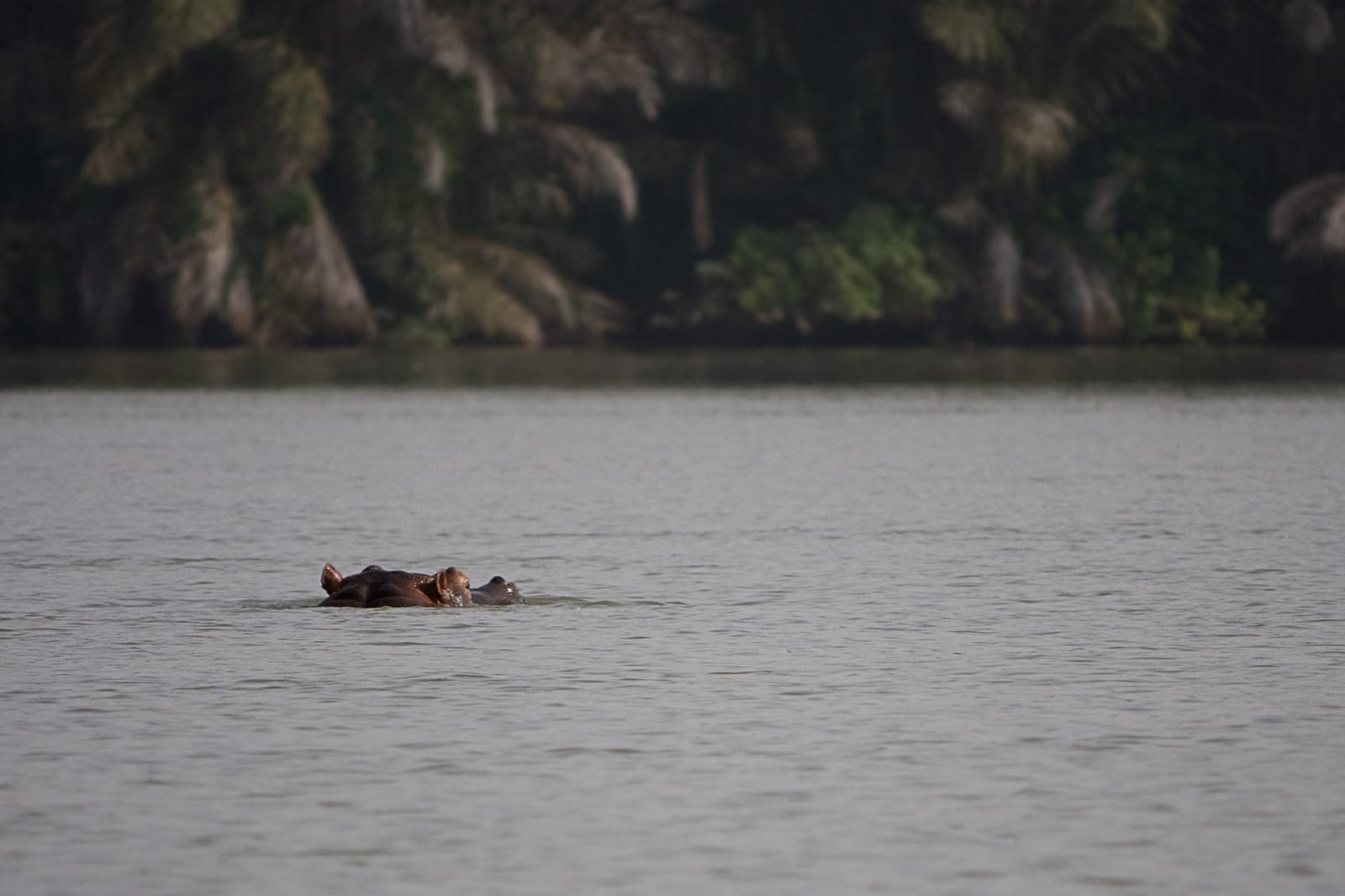 Multi-day safari from US$372
 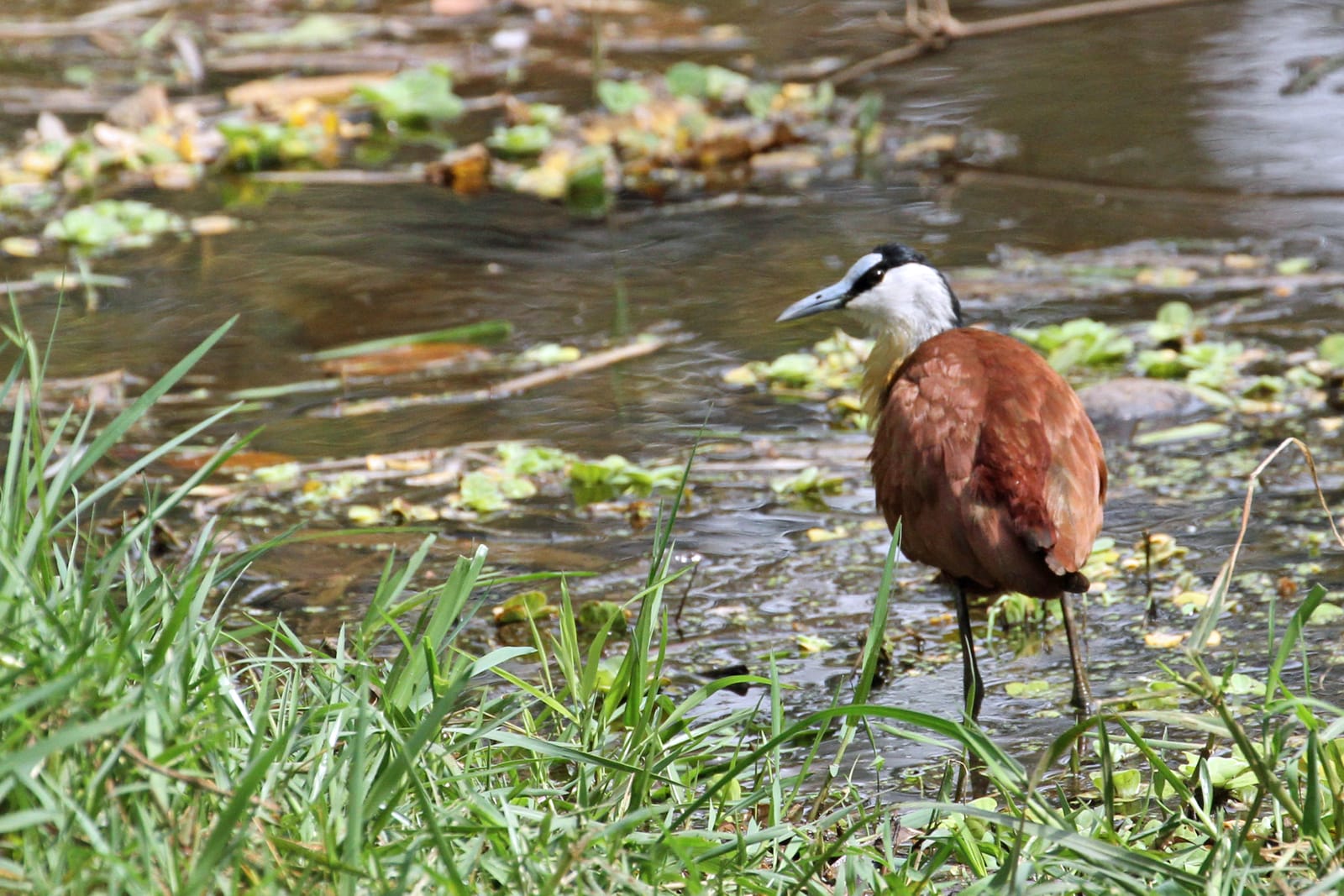 Birdwatching from US$108
 Real-time prices and availability, straight from GetYourGuide. Free cancellation on most experiences.
From the capital to the far upcountry river. Here is where to start — and how to reach each one.
 Culture & history
  Culture & history
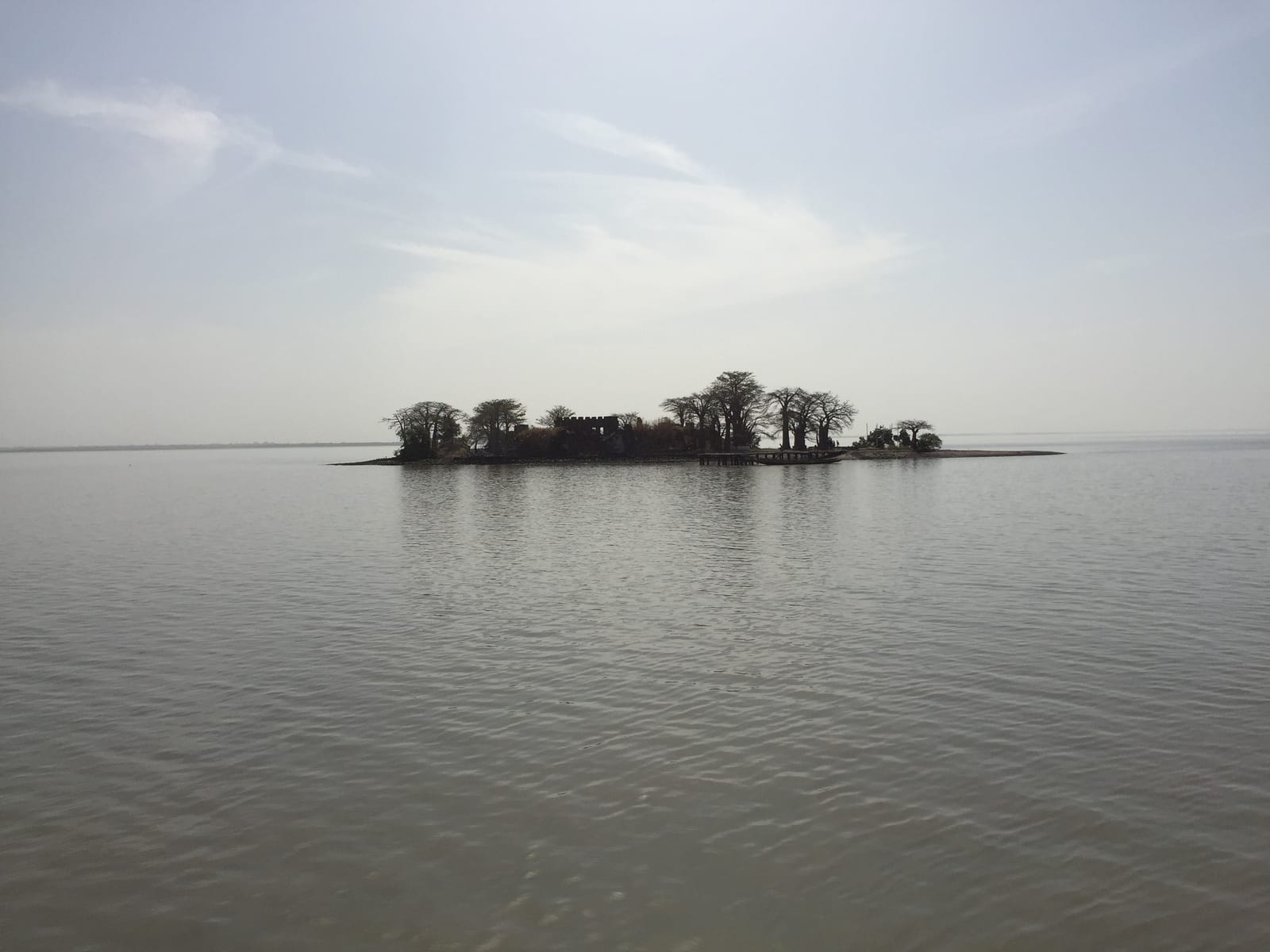
 UNESCO World Heritage, and the Roots trail
The eroding fort on this tiny river island — long known as James Island — was a hinge of the Atlantic slave trade for three centuries. With Juffureh and Albreda on the north bank, it forms the most significant historical site in The Gambia.
 Atlantic coast
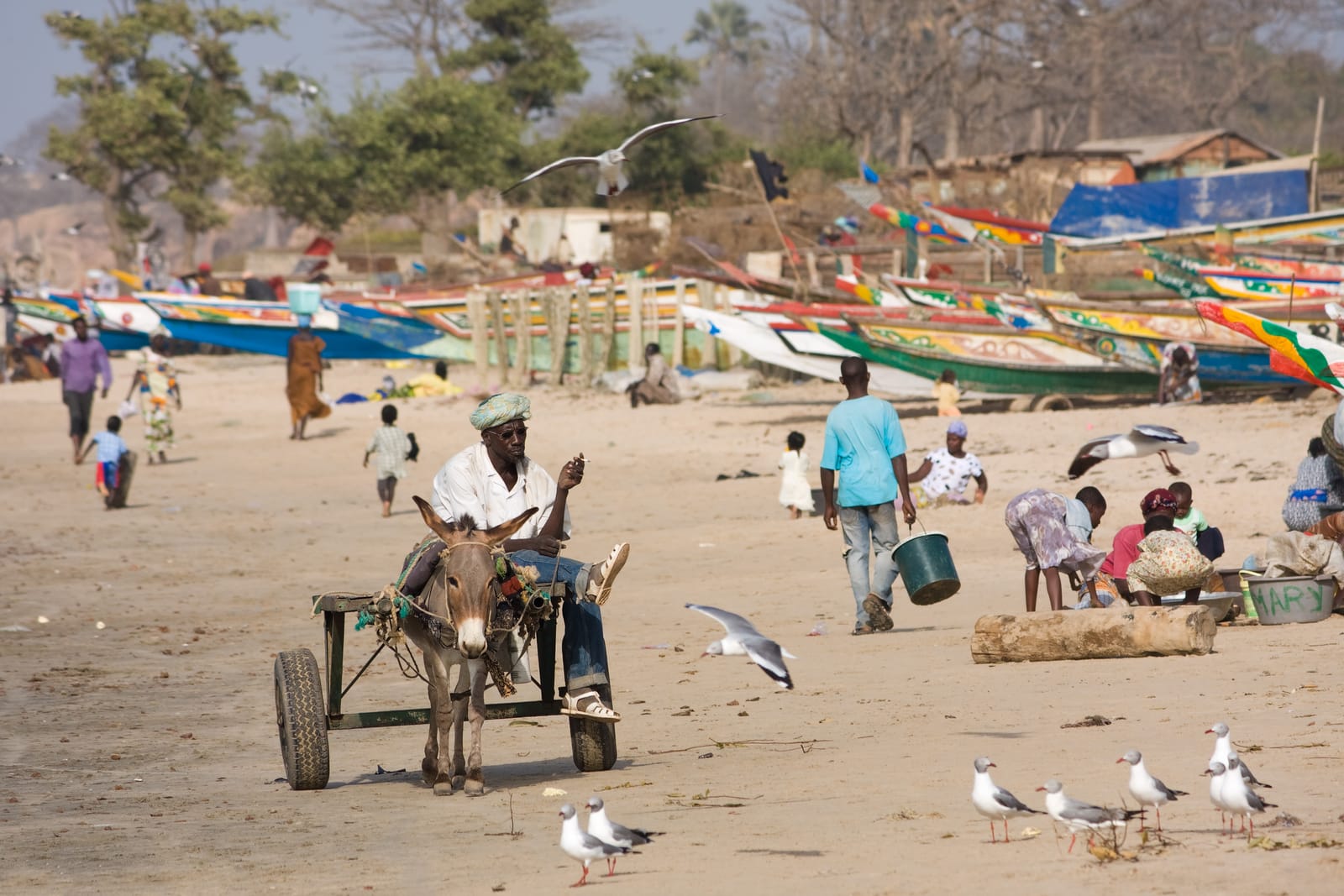
 Eighty kilometres of west-facing sand
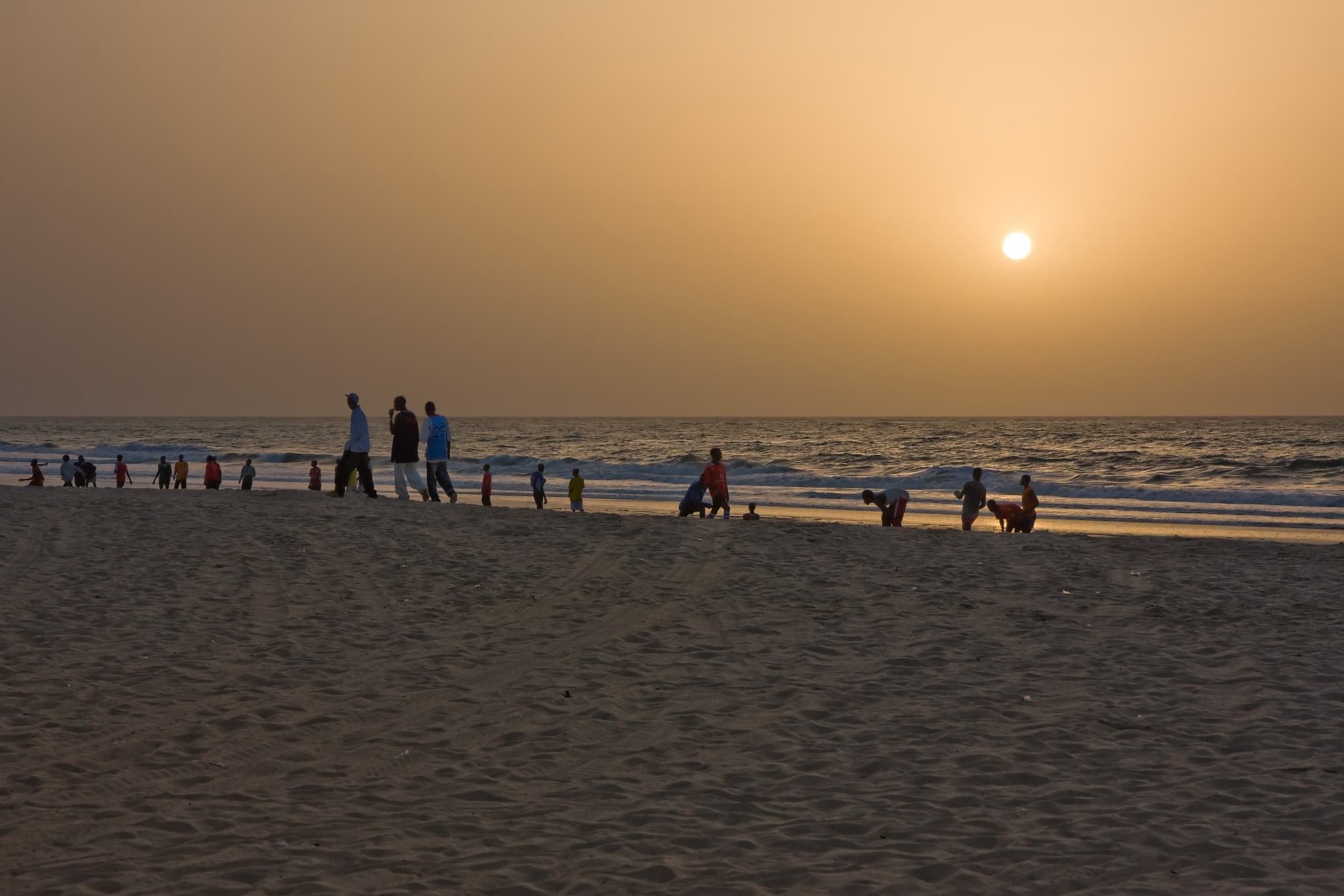
From Cape Point round to Kartong, The Gambia’s entire coastline faces west — which means the sun sets into the sea every single evening. Kololi and Kotu are the busy resort ends; Sanyang, Gunjur and Kartong are still fishing beaches with beach bars.
 Wildlife & nature
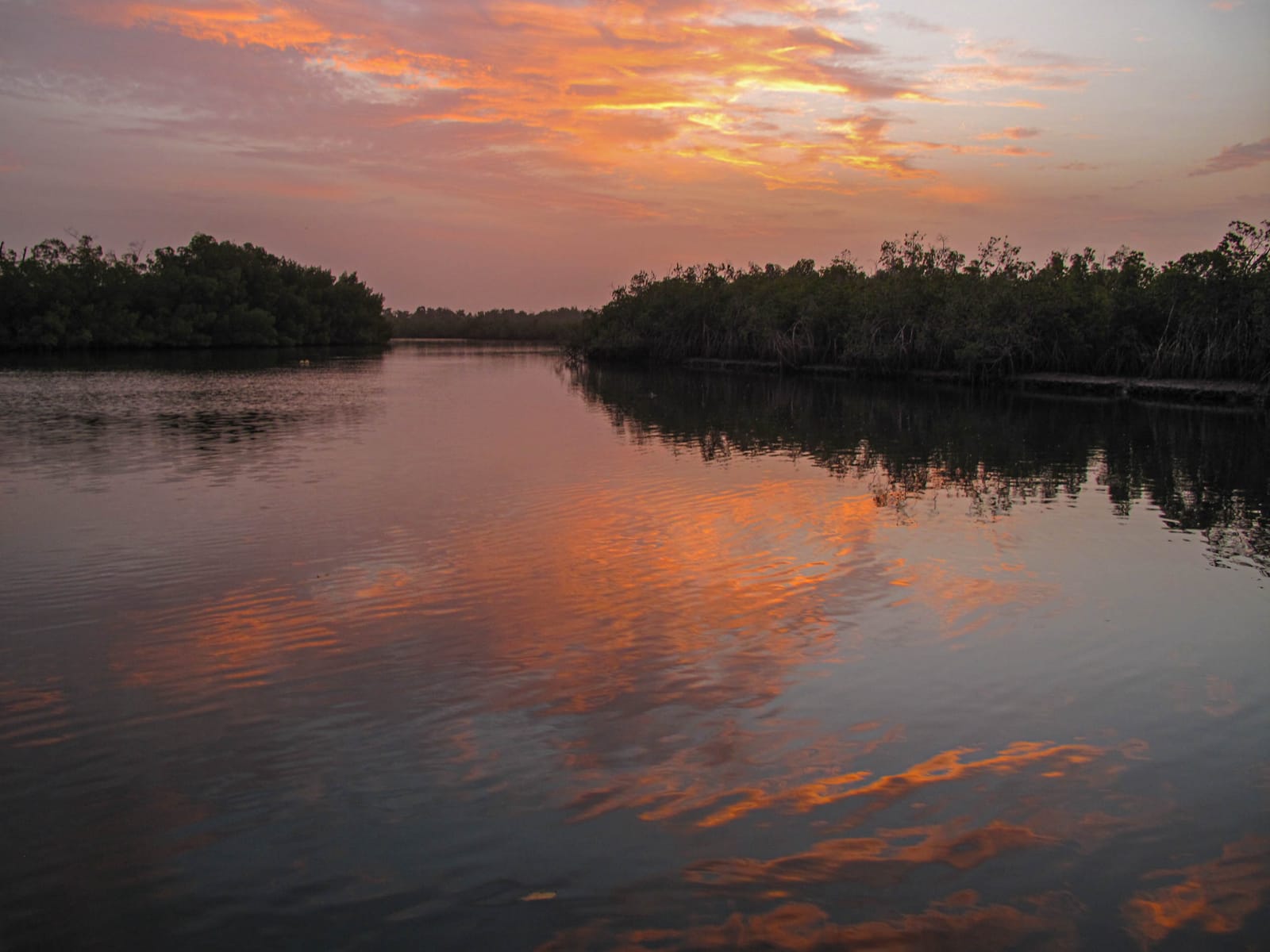
 A thousand acres of sacred forest
Mangrove creek, palm forest, savannah and baobab grove in one protected reserve half an hour inland — explored by dugout canoe and on foot, with baboons, monitor lizards and more than 100 bird species.
 Wildlife & nature
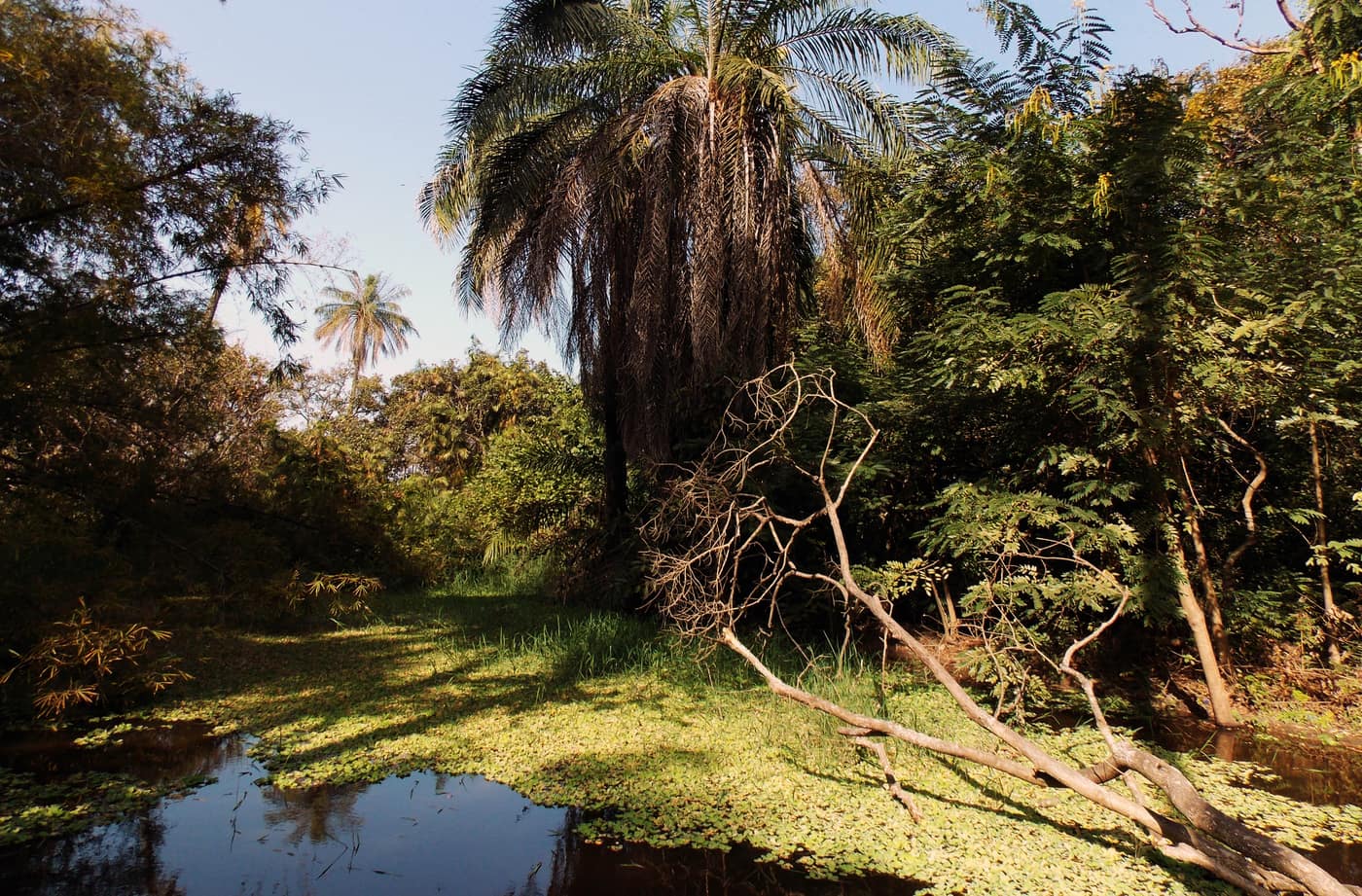
 The Gambia’s first protected area
A small pocket of gallery forest just past the airport road, protected since 1968. A single well-made trail loops past a crocodile pool, a photo hide and forest thick enough to hold colobus monkeys and 250-plus bird species.
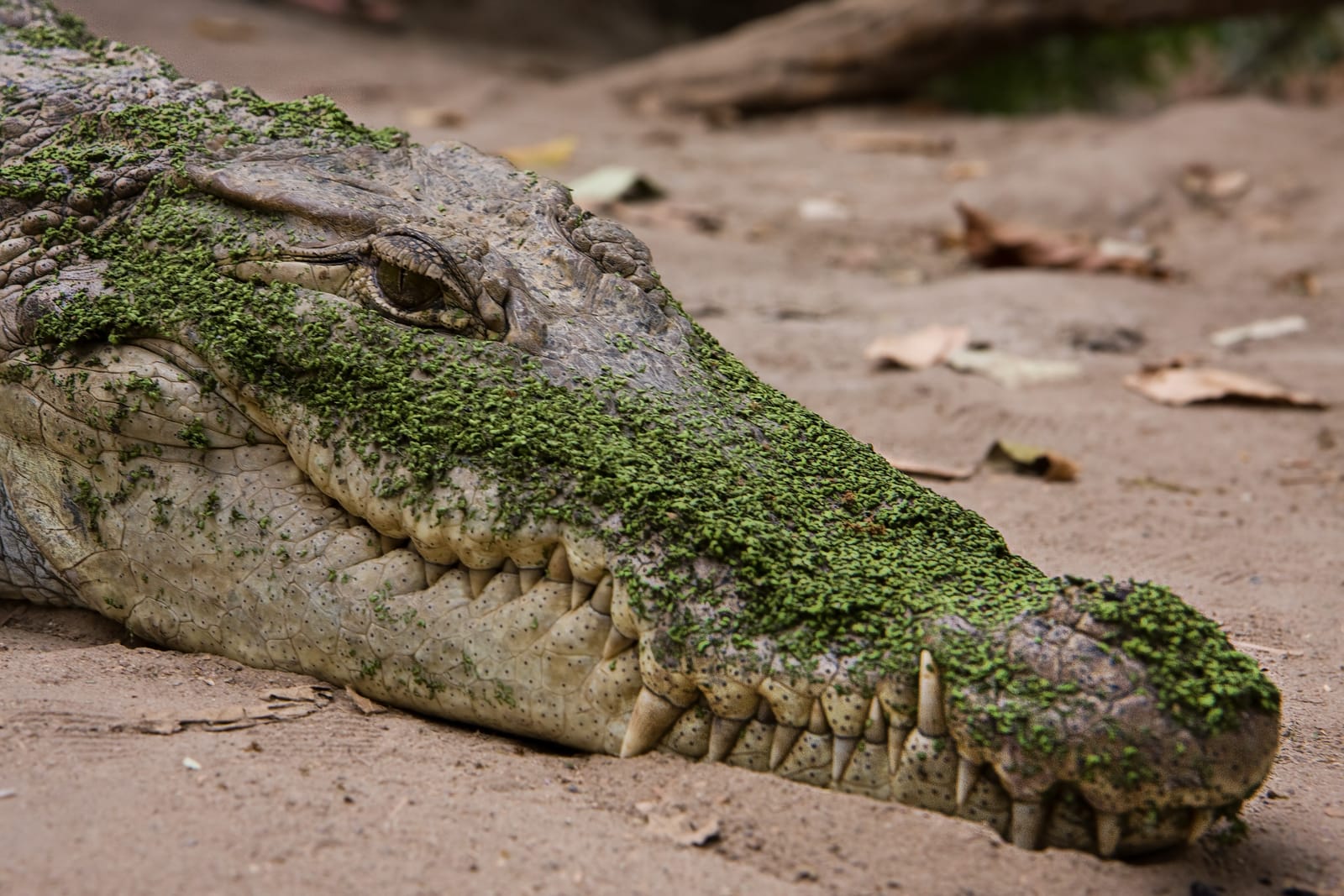 Culture & history
 A sacred pool in the middle of Bakau
One of three sacred crocodile pools in The Gambia, still used for fertility and blessing rituals by local families — and the only place most visitors will ever be invited to touch a wild Nile crocodile.
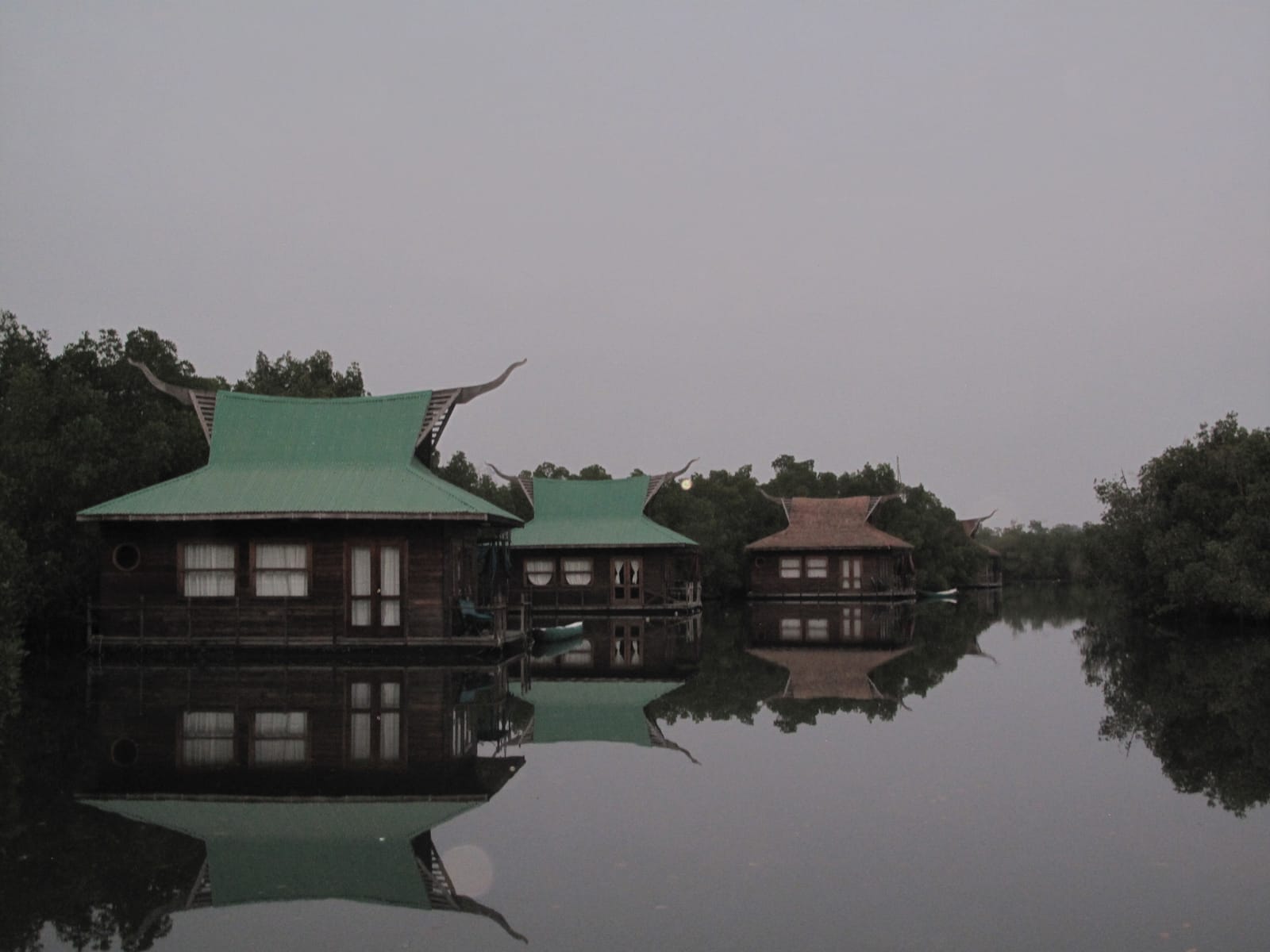
The Gambia’s accommodation is concentrated in a 20 km stretch of coast, and choosing the right part of it changes your whole holiday. We break the coast into seven areas — with the price bands, the trade-offs and direct hotel searches for each.
Our ranked pick of safaris, river cruises and cultural day trips for every budget.
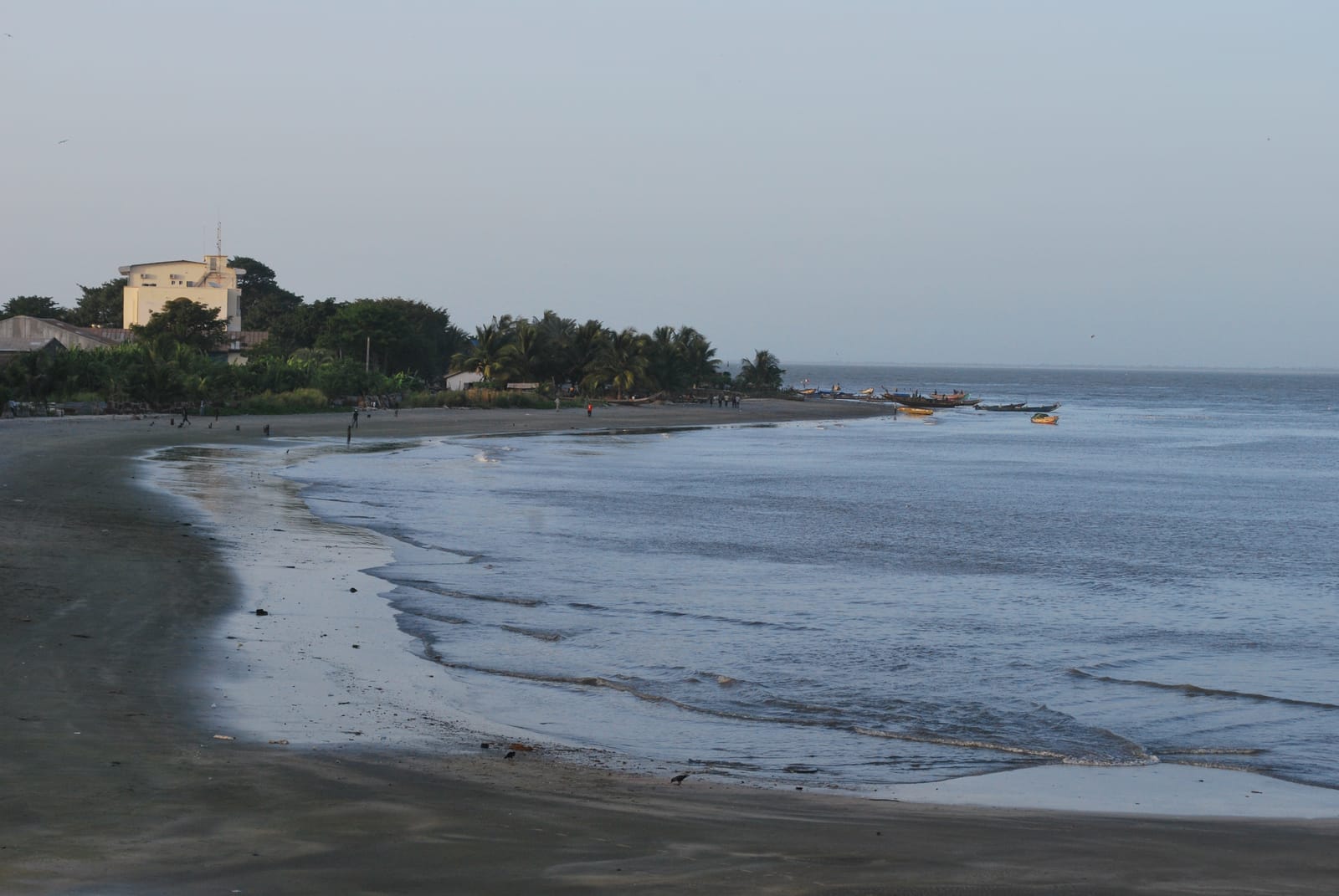
Flights, visas, airport transfers, taxis and the ferry — everything sorted before you land.
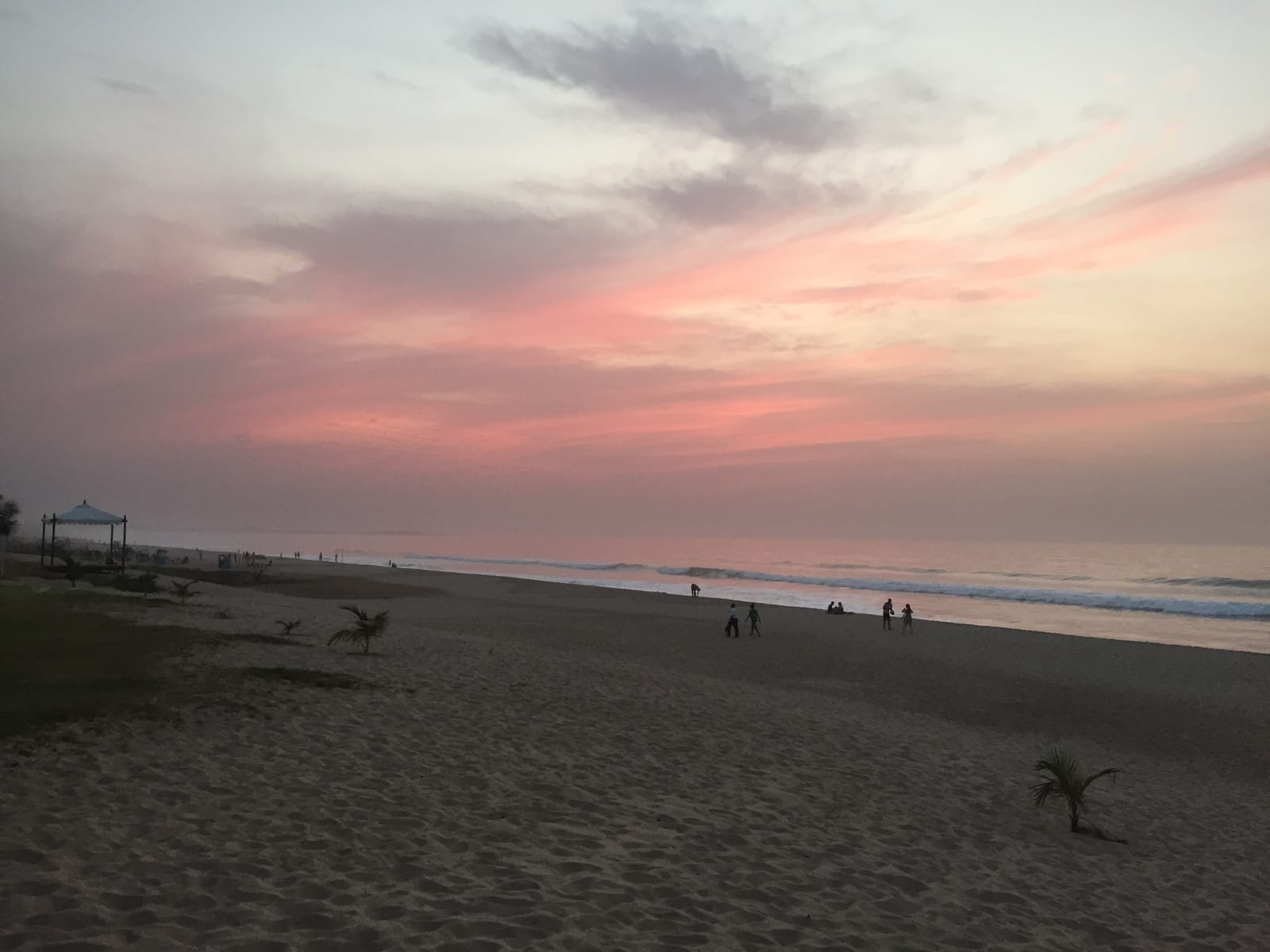
Month-by-month weather, birding peaks, crowds and the sweet spots for price.
River safaris, UNESCO history, 560 bird species and the friendliest welcome in West Africa — all within an hour of your hotel. Compare tours and book in a couple of taps.
Very much so, if you want somewhere warm, safe and genuinely different within a six-hour flight of Europe. You get Atlantic beaches, world-class birdwatching, a UNESCO World Heritage site of real historical weight, river wildlife and a culture that is welcoming without being packaged. Compare the best tours here.
November to May is the dry season and the main tourist season, with sunshine, low humidity and no rain. November to February is the coolest and best for birding; June to October is the green season — hot, humid, cheaper and much quieter. See our month-by-month guide.
It depends on your nationality. Citizens of ECOWAS states, the United Kingdom and many Commonwealth and European countries can enter visa-free for tourism, and visas on arrival are available to some others. Rules change, so always confirm with your nearest Gambian High Commission or Embassy before booking. Our arrival guide covers what to expect at the airport.
The Gambia has a low rate of violent crime and is one of the more relaxed countries in the region for visitors. The main annoyance is persistent hustling on the tourist beaches — firm, friendly refusal works. Take normal precautions with valuables, use licensed taxis after dark, and take malaria prevention seriously.
In the December–February high season the best-rated tours and the small-group safaris sell out days ahead, so booking online before you travel is strongly recommended. Most tours on GetYourGuide offer free cancellation and reserve-now-pay-later, so there is very little risk in locking in your dates early.
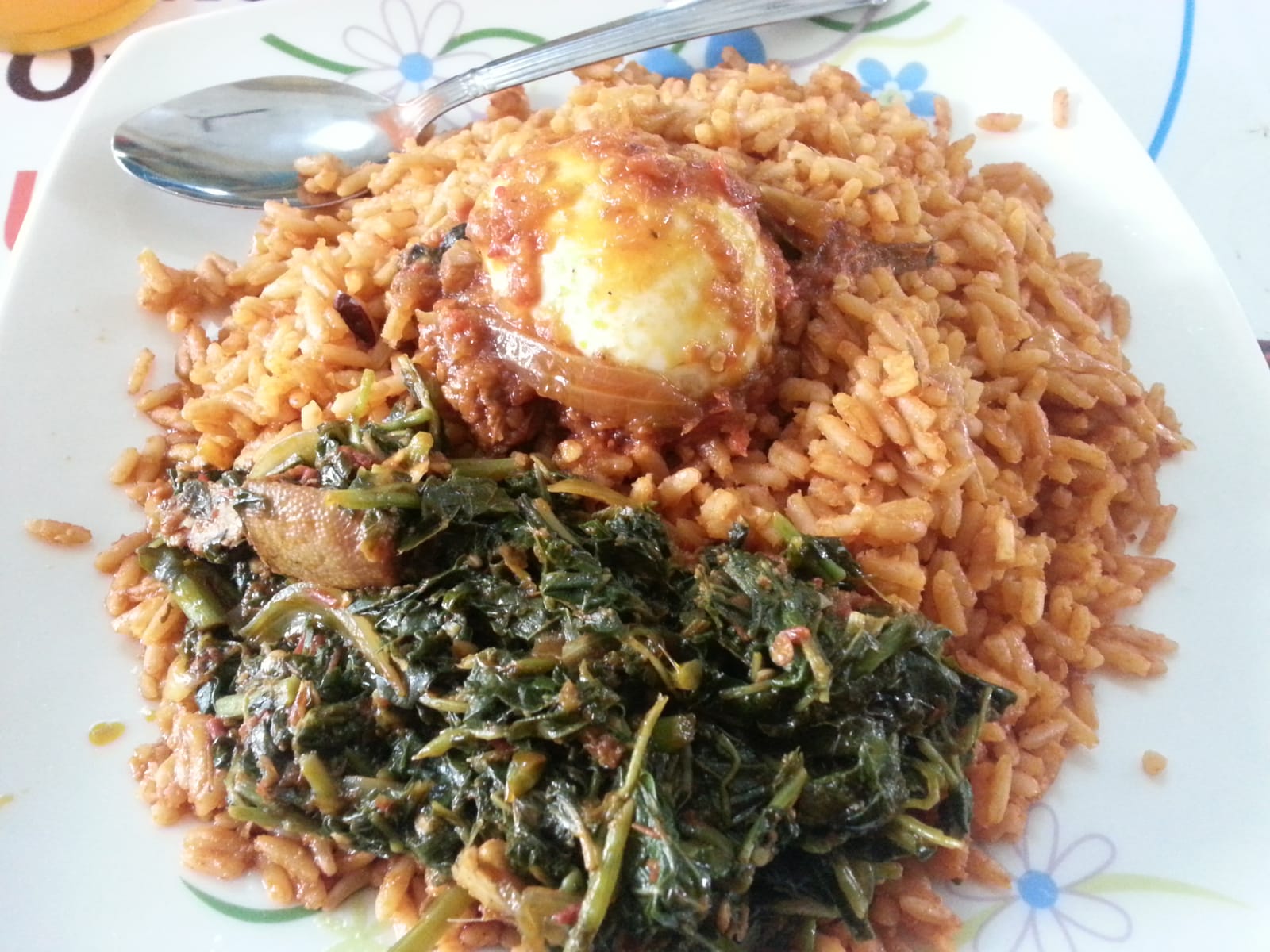
Benachin (the original one-pot jollof rice), domoda (a rich groundnut stew), yassa (onion and lemon chicken or fish), superkanja (okra stew) and afra — grilled meat cooked at roadside grills after dark. Wash it down with wonjo (hibiscus), baobab juice or endless small glasses of attaya tea.