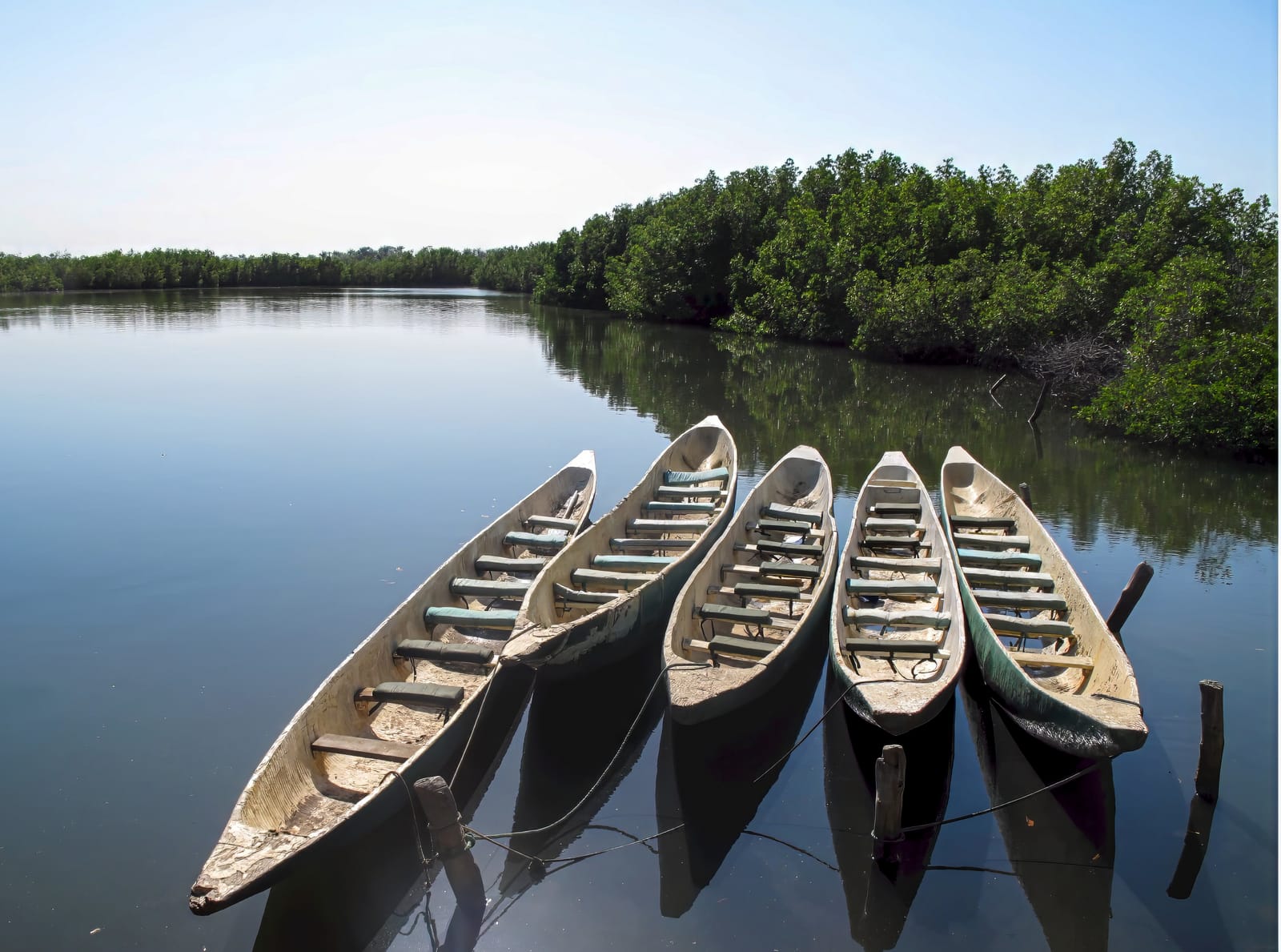
The Gambia has a tropical climate with two sharply defined seasons and very little in between. The dry season runs roughly from November to May and delivers day after day of sunshine with almost no rain at all. The rains arrive in June and run to October, bringing heat, humidity and dramatic afternoon storms.
For most visitors the short answer is November to February: reliably sunny, comfortably warm rather than punishing, low humidity, and peak season for birdlife. But the answer changes if you care about price, or crowds, or photography, or turtles.
The seasons in short
Dry season · Nov–May
Sunshine, no rain, low humidity. Daytime 28–34°C, cooler in December and January when the harmattan brings dry, dusty air off the Sahara and evenings can drop to 16°C. This is the tourist season and the season the charter flights serve.
Green season · Jun–Oct
Hot and humid, 27–33°C with heavy afternoon downpours rather than all-day rain. The landscape turns brilliantly green, prices fall by half, and a proportion of the hotels and beach bars close for the duration.
The shoulders · May & Oct
The transitions. May is hot and building humidity before the rains break; October clears fast and everything is still green. Both are underrated: good weather, good prices, few people.
Month by month
| Month | Day temp | Rain | Crowds | Worth knowing |
|---|---|---|---|---|
| January | 30°C | None | Peak | The classic month. Sunny, dry, coolest evenings, best birding. Book early. |
| February | 31°C | None | Peak | Same weather as January with slightly warmer nights. Half-term pushes prices up. |
| March | 32°C | None | High | Still bone dry, getting hotter. Excellent value in the second half. |
| April | 32°C | None | Moderate | Hot, dry and quiet. Sea temperature at its most pleasant. |
| May | 33°C | First showers | Low | Humidity builds. Fewer visitors, noticeably lower prices. |
| June | 32°C | Rains begin | Very low | Storms arrive, usually late afternoon. Landscape starts to green. |
| July | 31°C | Heavy | Very low | Wettest stretch. Some hotels closed. Dramatic skies for photographers. |
| August | 31°C | Heavy | Very low | Peak rains and peak green. Turtle nesting on the southern beaches. |
| September | 31°C | Heavy | Very low | Still wet but easing. Migratory birds begin to return. |
| October | 32°C | Clearing | Low | The best-value month: green landscape, clearing skies, low prices. |
| November | 31°C | None | Building | Dry season starts properly. Everything reopens. Superb conditions. |
| December | 30°C | None | Peak | Sunny, dry, cool evenings, and the busiest and most expensive weeks of the year. |
The best time for birdwatching
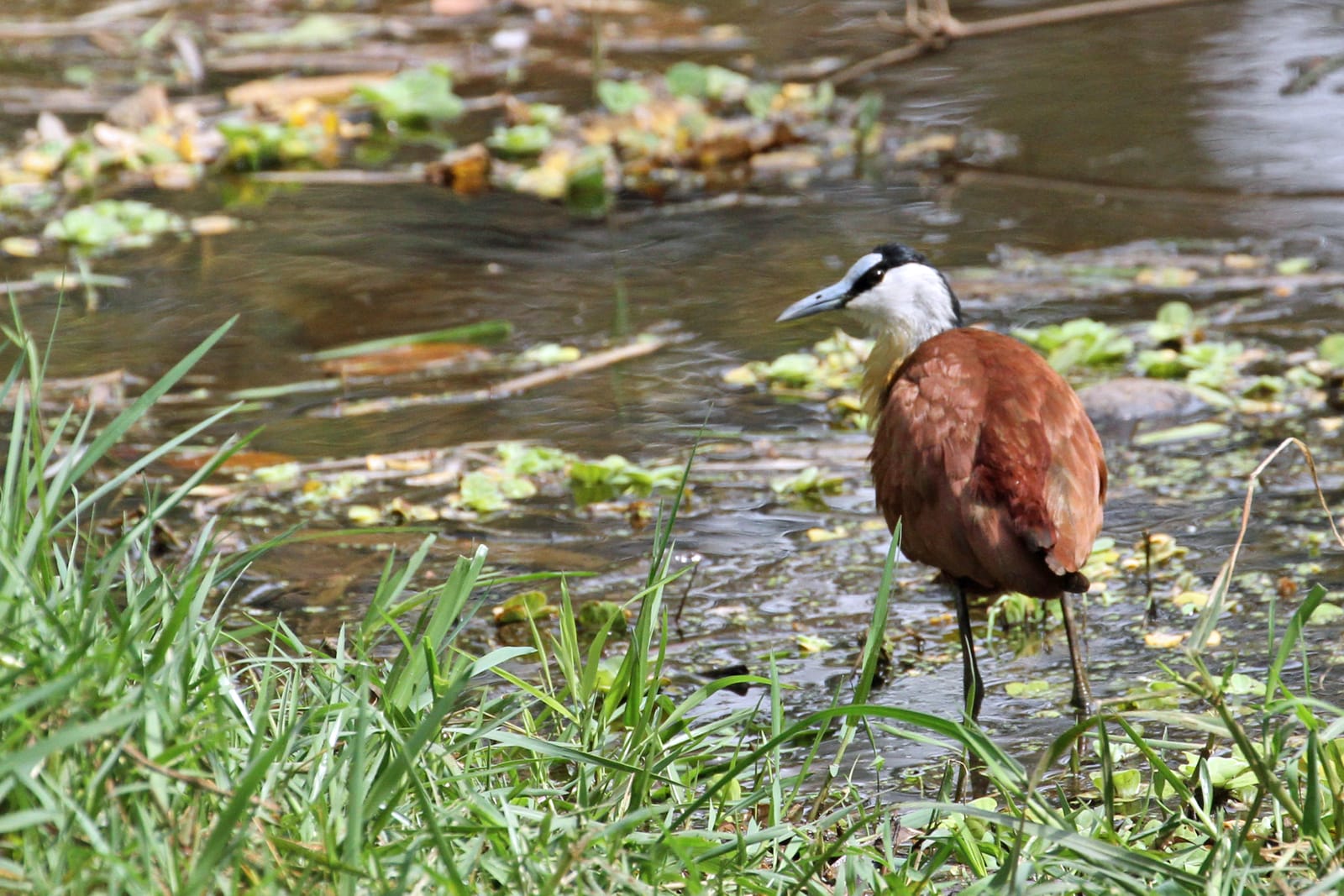
The Gambia records over 560 bird species, and the peak is November to March, when Palearctic migrants wintering from Europe overlap with the resident West African species. Numbers, variety and photographic light are all at their best in this window.
Within it, aim for the first half of the day. Serious birders find November and February the sweet spots — full migrant numbers without the December–January crowds — and morning temperatures that make a four-hour hide session bearable.
The rainy season is not a dead zone: breeding plumage, weaver colonies and waterbirds are all at their best from July to September, and you will have the guides to yourself.
Tours that cover this
The easiest way to see it, booked through GetYourGuide:
 Birdwatching from US$108
 Half-Day Birdwatching
- Dawn start — the only sensible time to bird in West Africa
- Forest hides, rice fields and creek edges around Farasutu
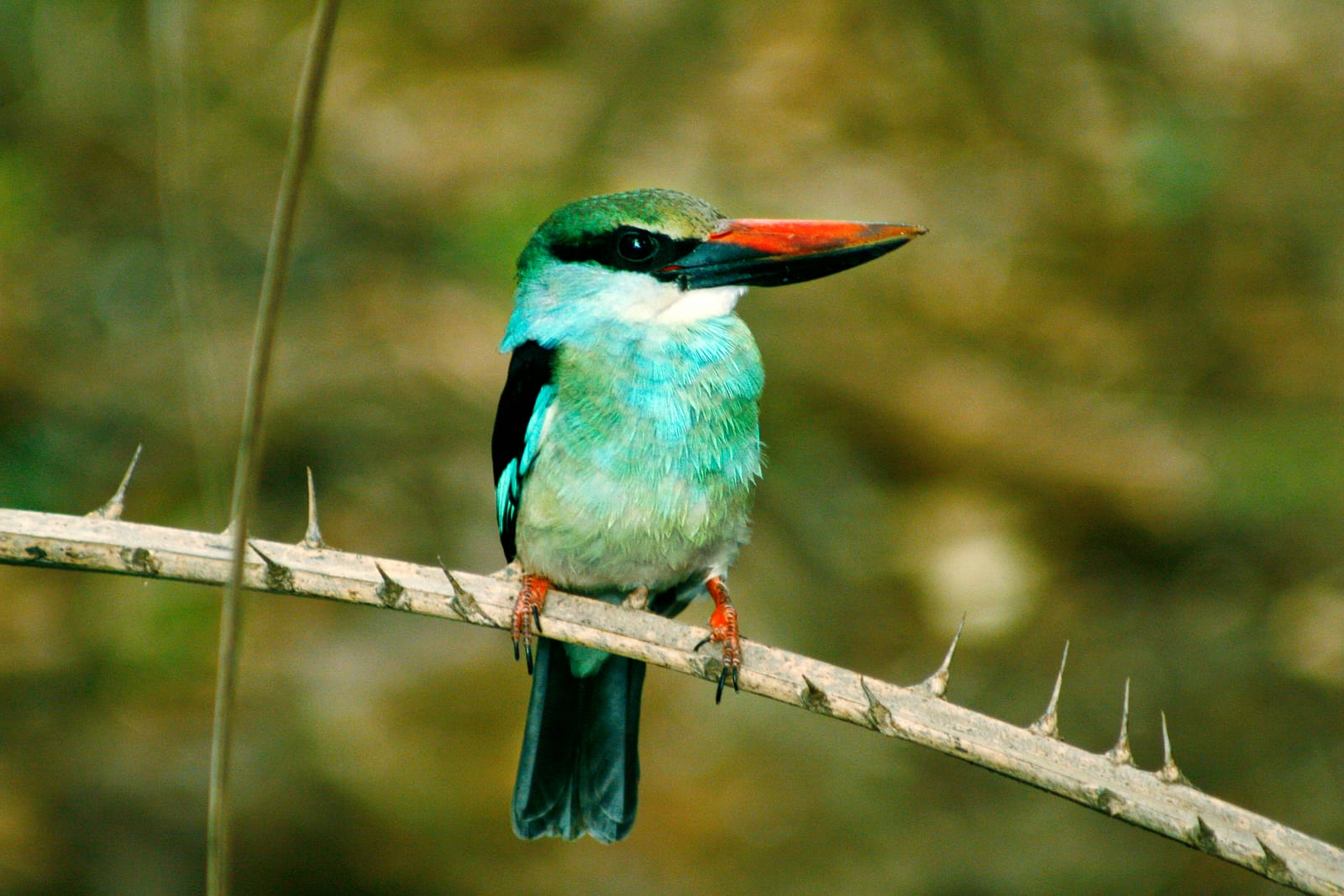 Overnight birding from US$372
 Overnight Birding Tour
- Reach the upriver habitats a day trip cannot
- Two dawn sessions — by far the most productive birding hours
When to go for the beach
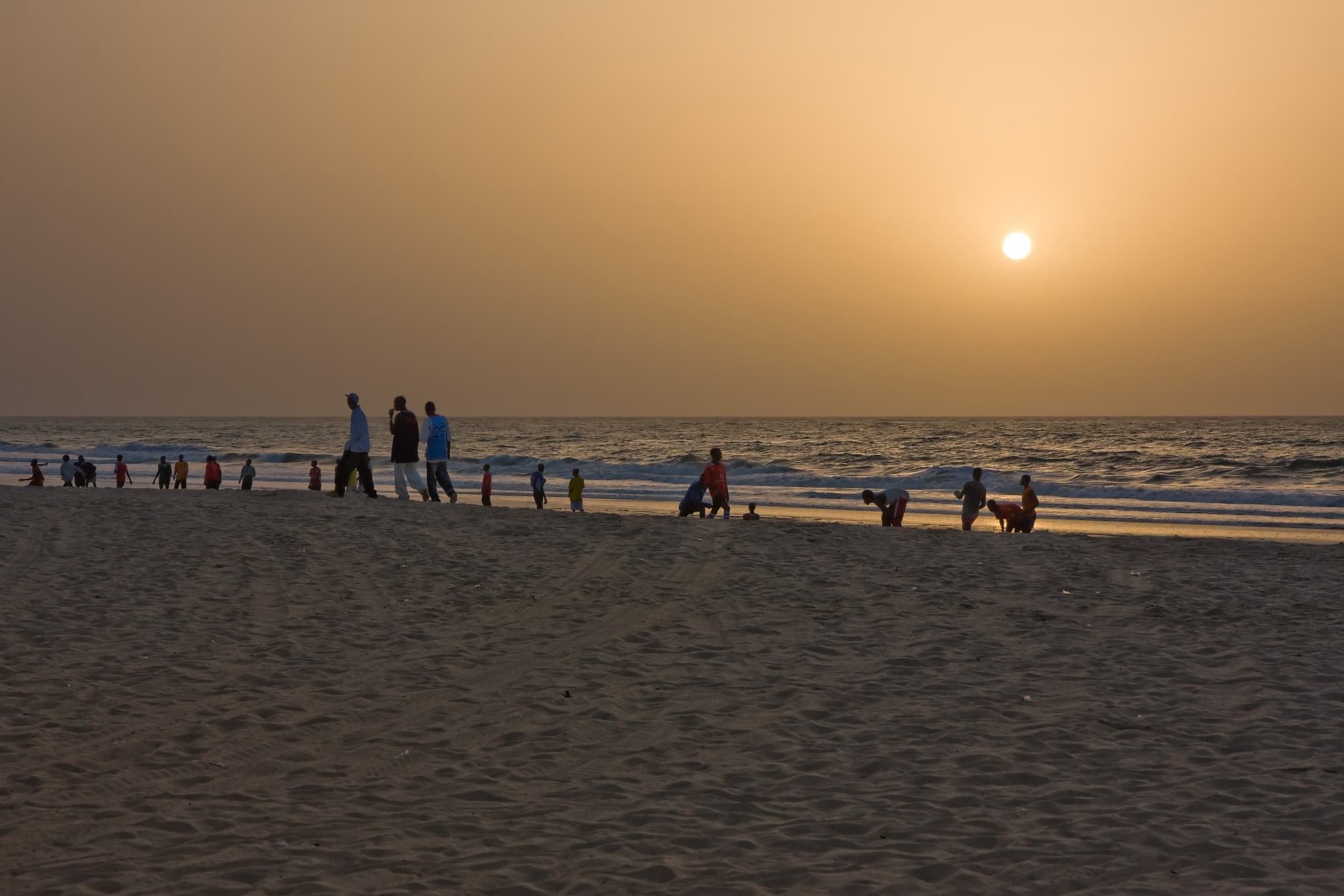
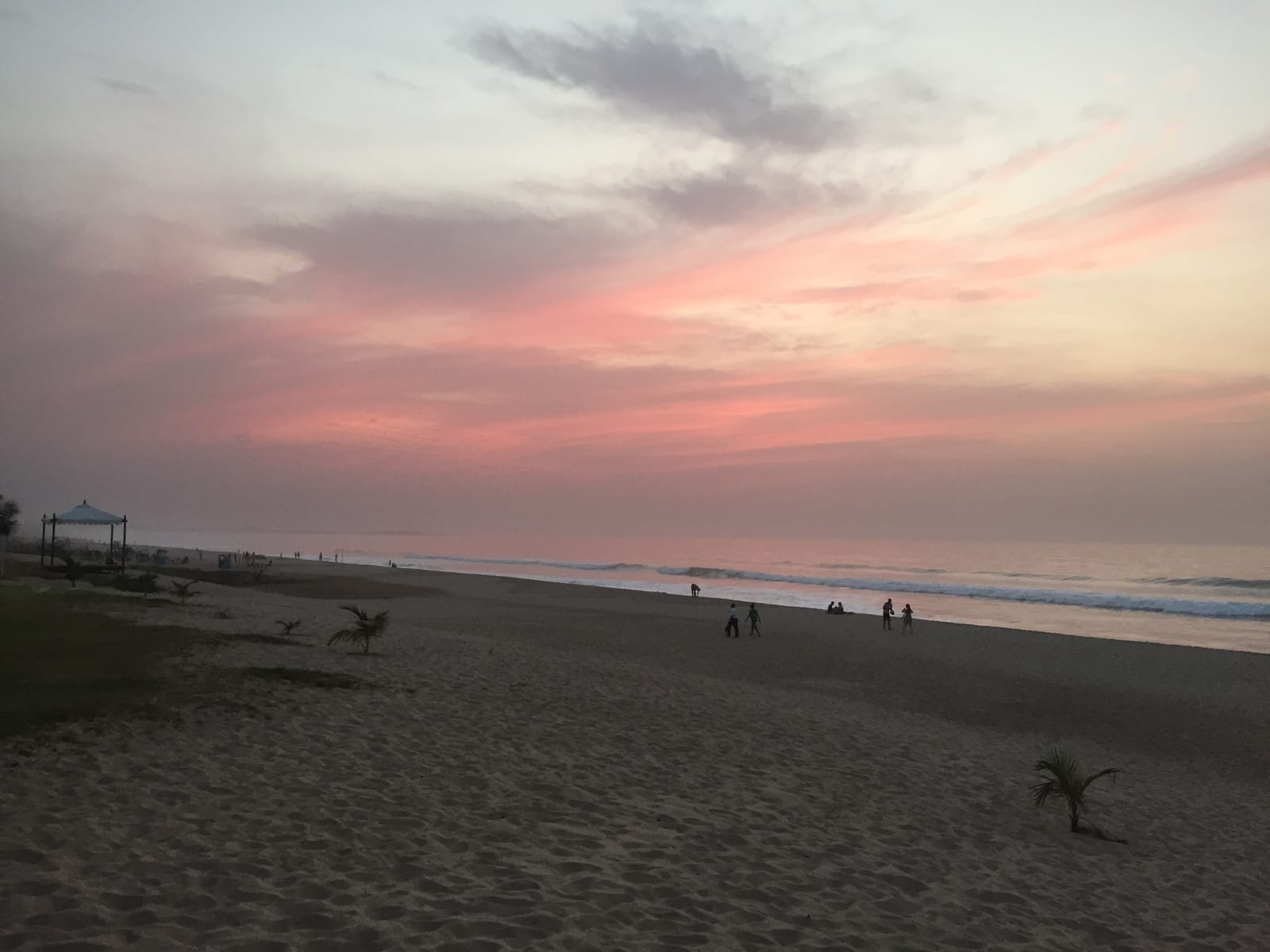
For beach weather, anything from November to May works. December and January are the most comfortable for lying in the sun; March and April are hotter, with warmer sea temperatures and thinner crowds.
Sea temperature runs roughly 20°C at its coolest in February to 28°C in September–October. Rip currents are a year-round consideration on the open Atlantic beaches.
A note on erosion: the beaches shift with the season, and the sand in front of a given hotel is noticeably wider at the end of the dry season than after the rains.
When to go for value
The cheapest months are July, August and September, when hotel rates roughly halve and flights follow. The trade-off is real — heat, humidity, closures — but if you can handle a daily downpour, the country is greener, emptier and much cheaper.
October is the smartest compromise. The rains are ending, the landscape is still vividly green, the hotels have reopened for the season, and prices have not yet climbed. Late April and May are the same trade in reverse.
The weeks to avoid on price alone are 20 December to 5 January and the February half-term, when rates roughly double and the best hotels sell out months ahead.
Festivals and events
- Independence Day (18 February) — parades, drumming and street celebrations, especially in Banjul.
- Ramadan and Eid al-Fitr (Koriteh) — dates shift each year; daytime eating is quieter but hospitality is if anything greater. Eid itself is a huge national event.
- Eid al-Adha (Tobaski) — the biggest family festival of the year, with new clothes, sheep and open houses.
- Kartong Festival (usually February) — music, wrestling and culture in the far south.
- Christmas — celebrated widely, with the coastal hotels at their busiest and street parades in some towns.
- Turtle nesting (July–October) — green and olive ridley turtles nest on the southern beaches; community projects at Gunjur and Kartong run monitoring walks.
When to visit FAQ
What is the best month to visit The Gambia?
January and February for classic dry-season sunshine and the best birding; November for the same weather with fewer people; October for the best value. Avoid the last two weeks of December if price matters.
Is it worth going to The Gambia in the rainy season?
It can be, if you go in with open eyes. Rain comes in heavy afternoon bursts rather than all day, the country is spectacularly green, prices halve, and birdlife is in breeding plumage. But it is humid, some hotels and beach bars close, and malaria risk is higher.
How hot does The Gambia get?
Coastal daytime highs run 30–33°C most of the year, moderated by the Atlantic breeze. Inland is significantly hotter, regularly above 38°C in the April–June build-up. Nights in December and January can drop to 16°C on the coast.
When is the best time for birdwatching in The Gambia?
November to March, when European migrants overlap with resident species. November and February give you the peak birding with slightly fewer tourists than the Christmas and half-term weeks.
Is The Gambia crowded?
Only relatively. The hotel beaches at Kololi and Kotu are busy from mid-December to February; everywhere else, and every other month, is quiet by international beach-destination standards.