 Culture & history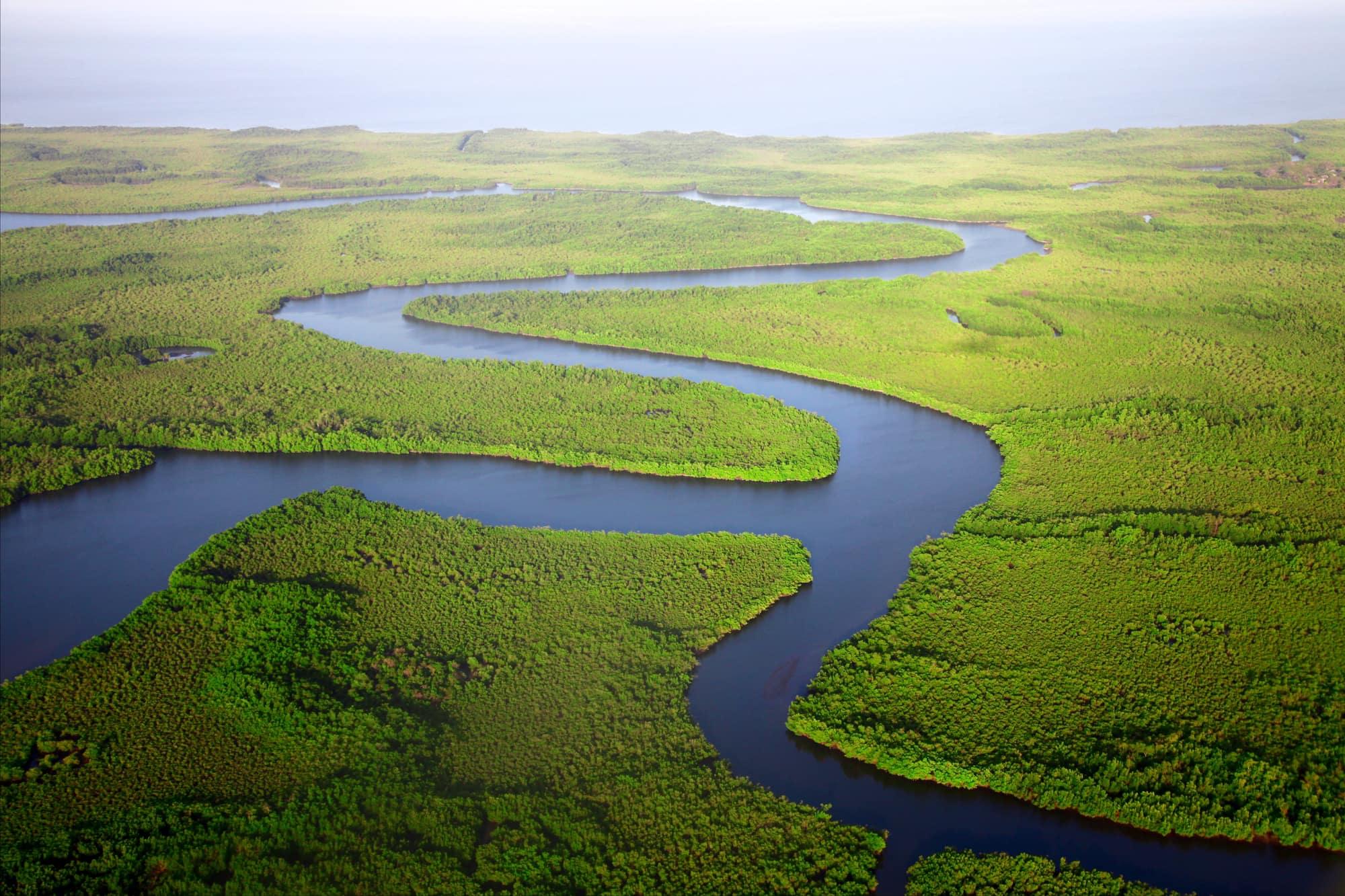
Places to visit in The Gambia
Nine places that between them cover the whole country — the capital, the coast, the forests and the river 300 km inland. Each guide has what to do, how to get there and which tours cover it.
The Gambia is small enough that you can see a genuine cross-section of it in a week, which is unusual in West Africa. The coast holds almost all the accommodation and most of the visitors; the river holds almost all the wildlife and the history; and the two are connected by a road you can drive in a day.
We have grouped the country’s highlights into four themes below. If you are here for a week on the coast, aim for one place from each.
Culture & history
Culture & history
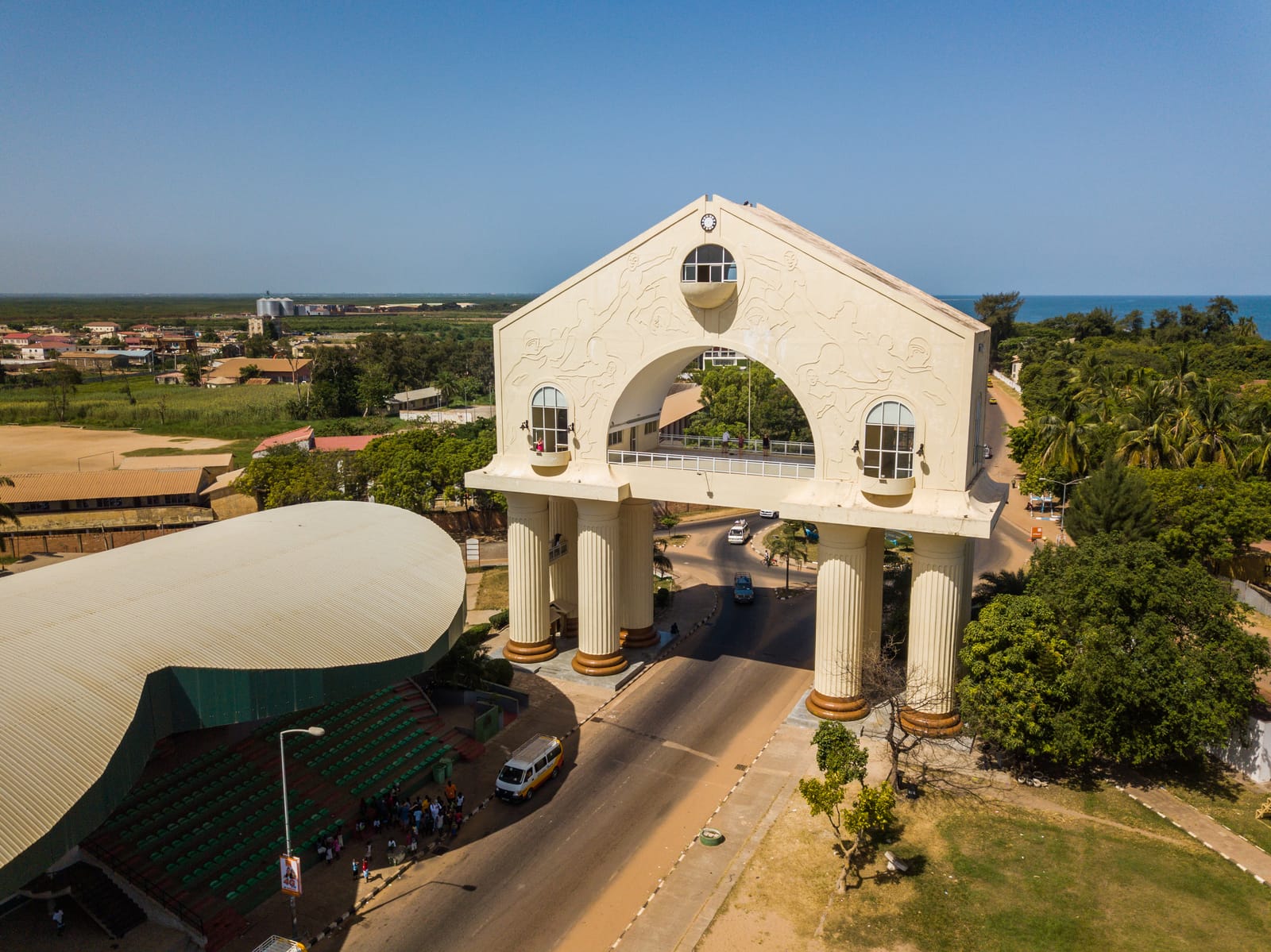
The capital, the UNESCO Roots sites and the sacred crocodile pool — the places that carry The Gambia’s history and its everyday life.
Culture & history 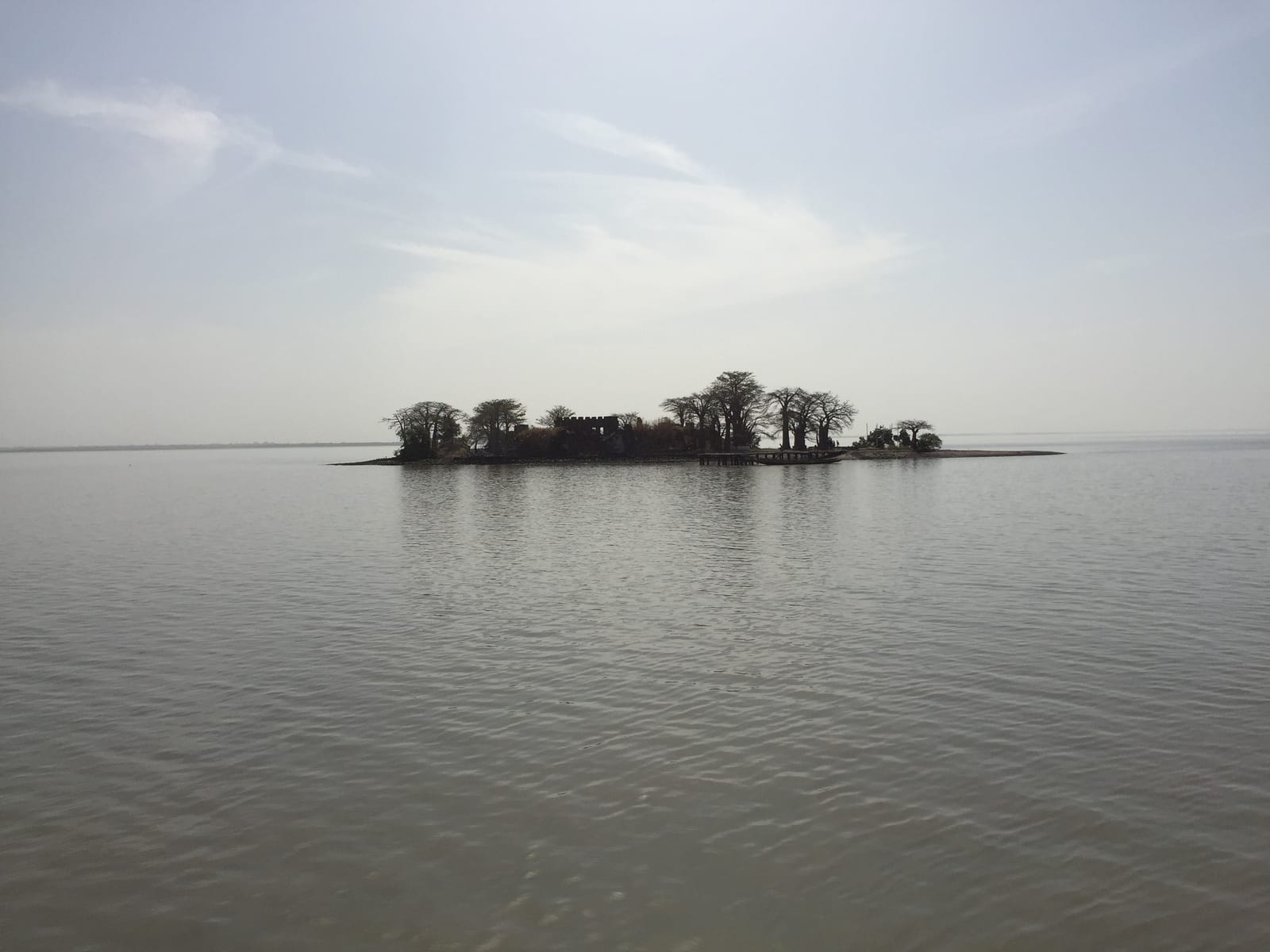 Culture & history
 Kunta Kinteh Island
UNESCO World Heritage, and the Roots trail
The eroding fort on this tiny river island — long known as James Island — was a hinge of the Atlantic slave trade for three centuries. With Juffureh and Albreda on the north bank, it forms the most significant historical site in The Gambia.
 Culture & history
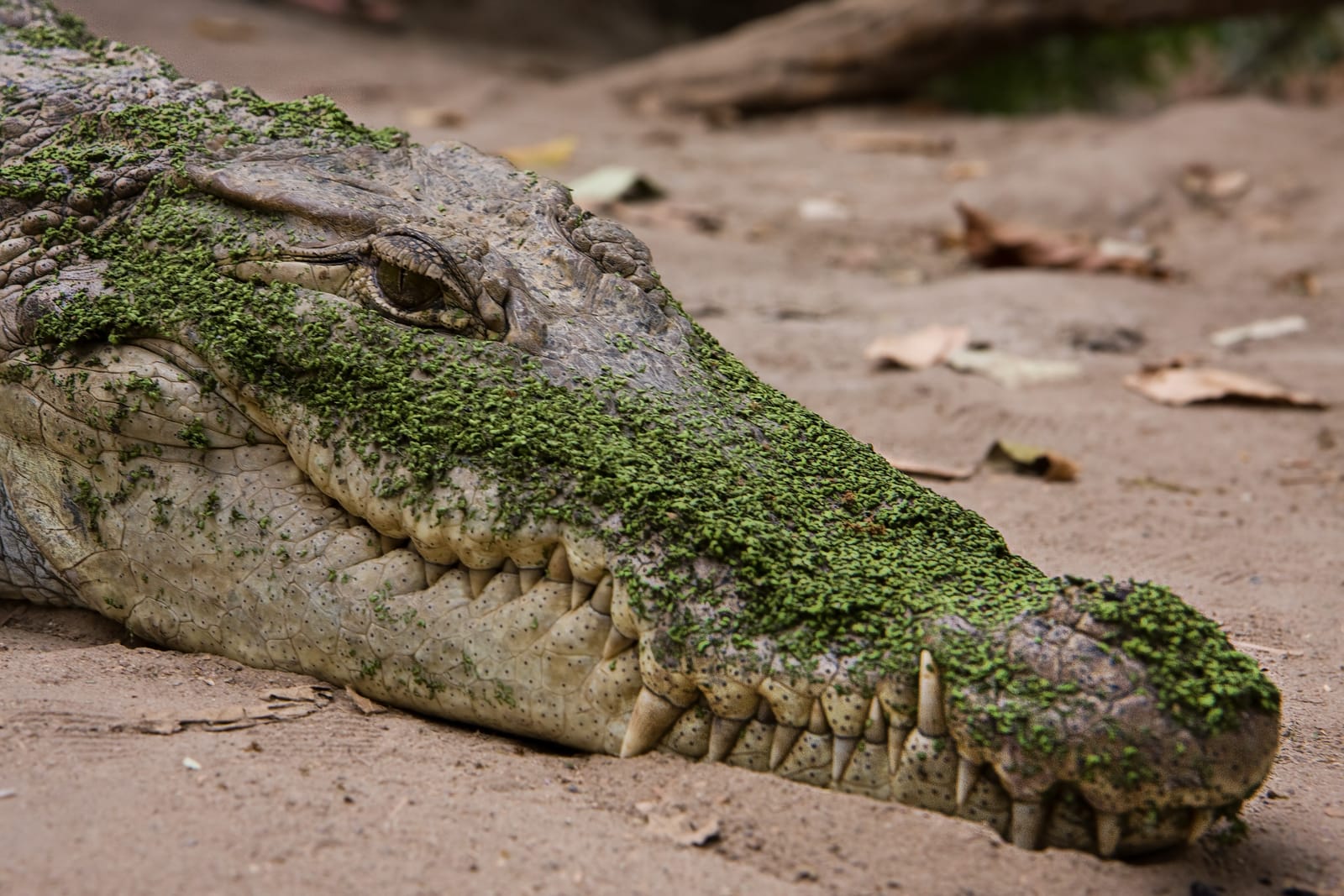
 Kachikally Crocodile Pool
A sacred pool in the middle of Bakau
One of three sacred crocodile pools in The Gambia, still used for fertility and blessing rituals by local families — and the only place most visitors will ever be invited to touch a wild Nile crocodile.
Atlantic coast
Atlantic coast
Eighty kilometres of west-facing Atlantic beach, from the resort strips at Kololi and Kotu to the fishing beaches and eco-lodges of the far south.
 Atlantic coast
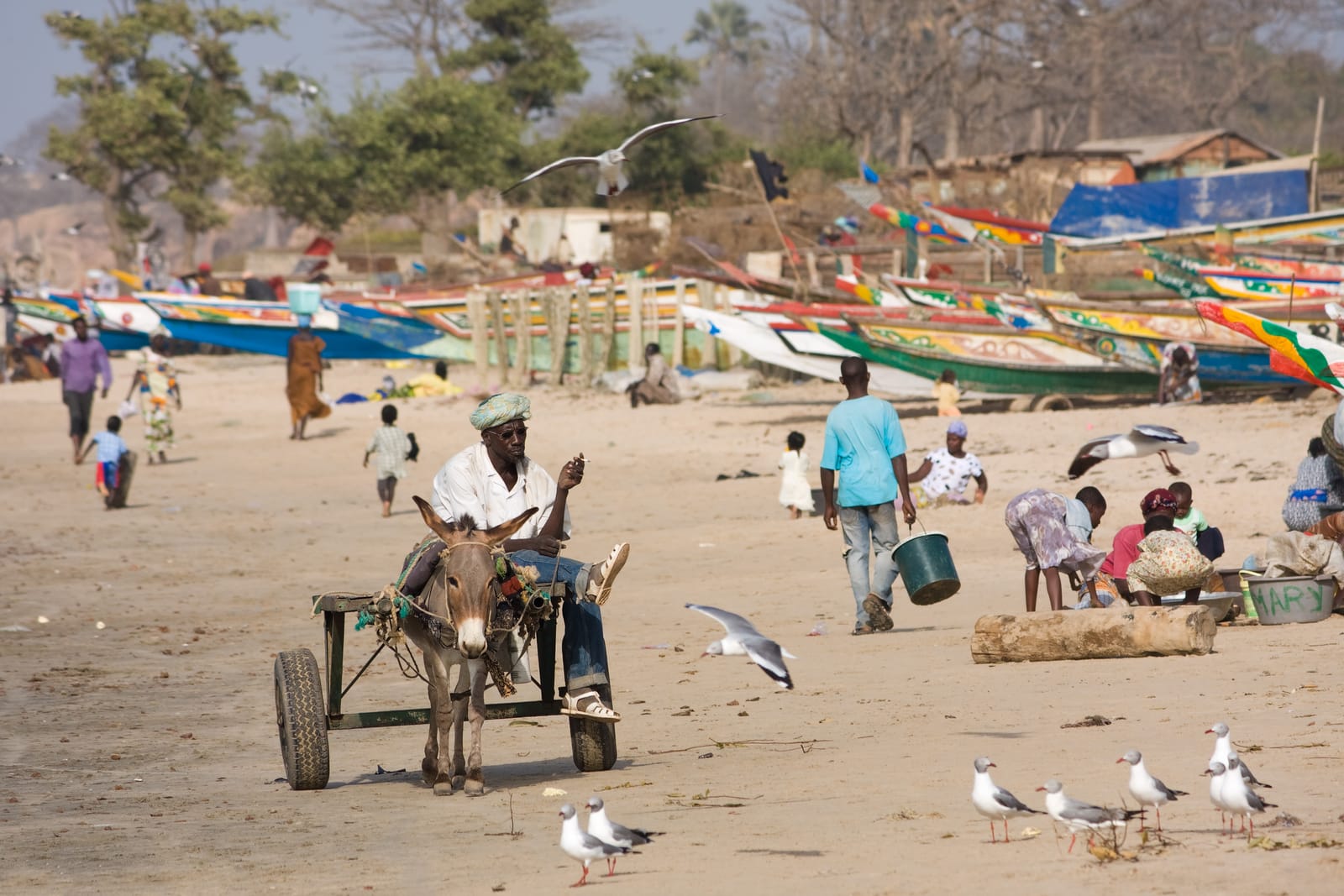
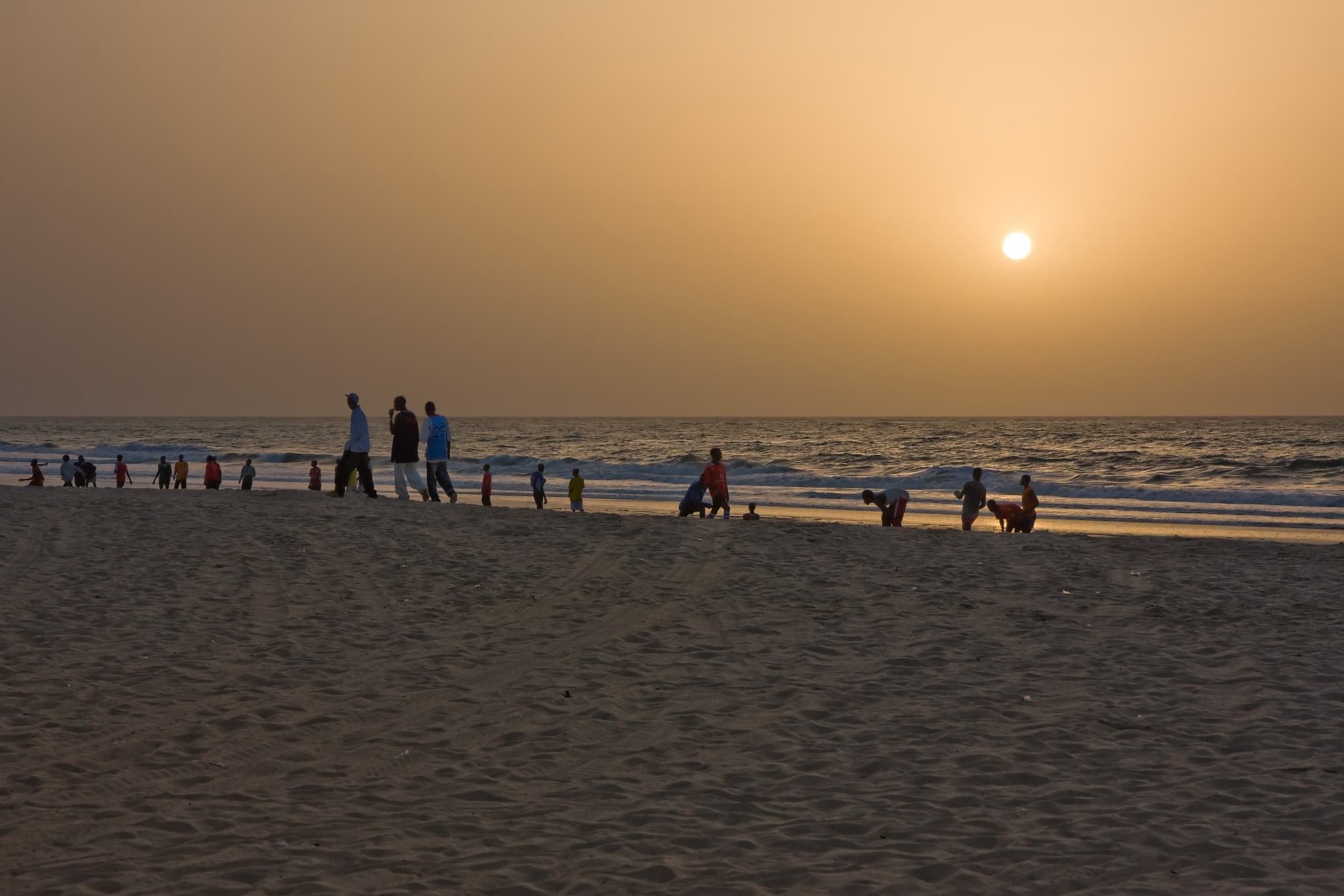
 The Atlantic Coast
Eighty kilometres of west-facing sand
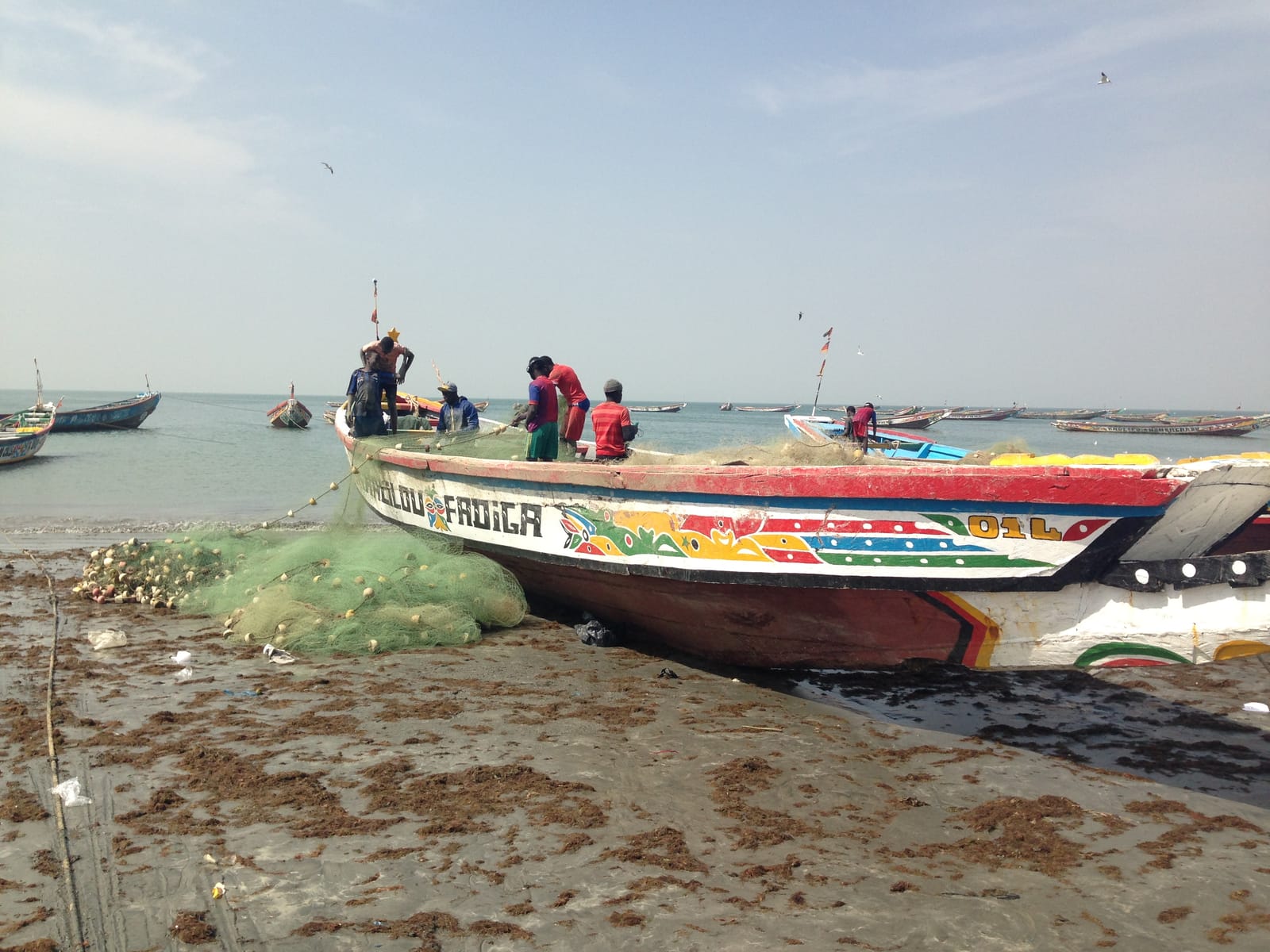
From Cape Point round to Kartong, The Gambia’s entire coastline faces west — which means the sun sets into the sea every single evening. Kololi and Kotu are the busy resort ends; Sanyang, Gunjur and Kartong are still fishing beaches with beach bars.
 Atlantic coast
 Wildlife & nature
Wildlife & nature
Forest reserves and protected creeks within half an hour of the hotels: monkeys, crocodiles, baboons and hundreds of bird species.
 Wildlife & nature
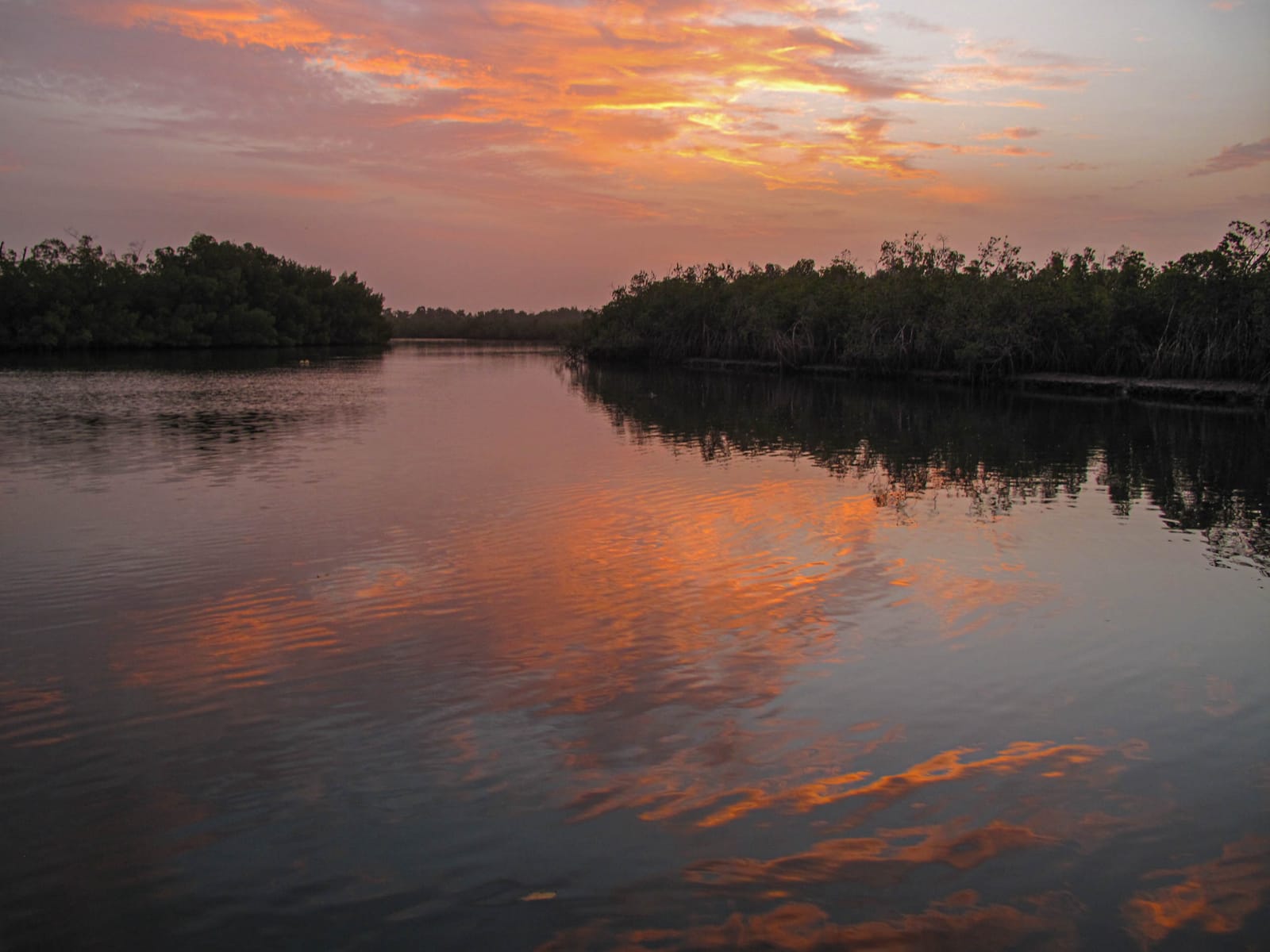
 Makasutu Culture Forest
A thousand acres of sacred forest
Mangrove creek, palm forest, savannah and baobab grove in one protected reserve half an hour inland — explored by dugout canoe and on foot, with baboons, monitor lizards and more than 100 bird species.
 Wildlife & nature
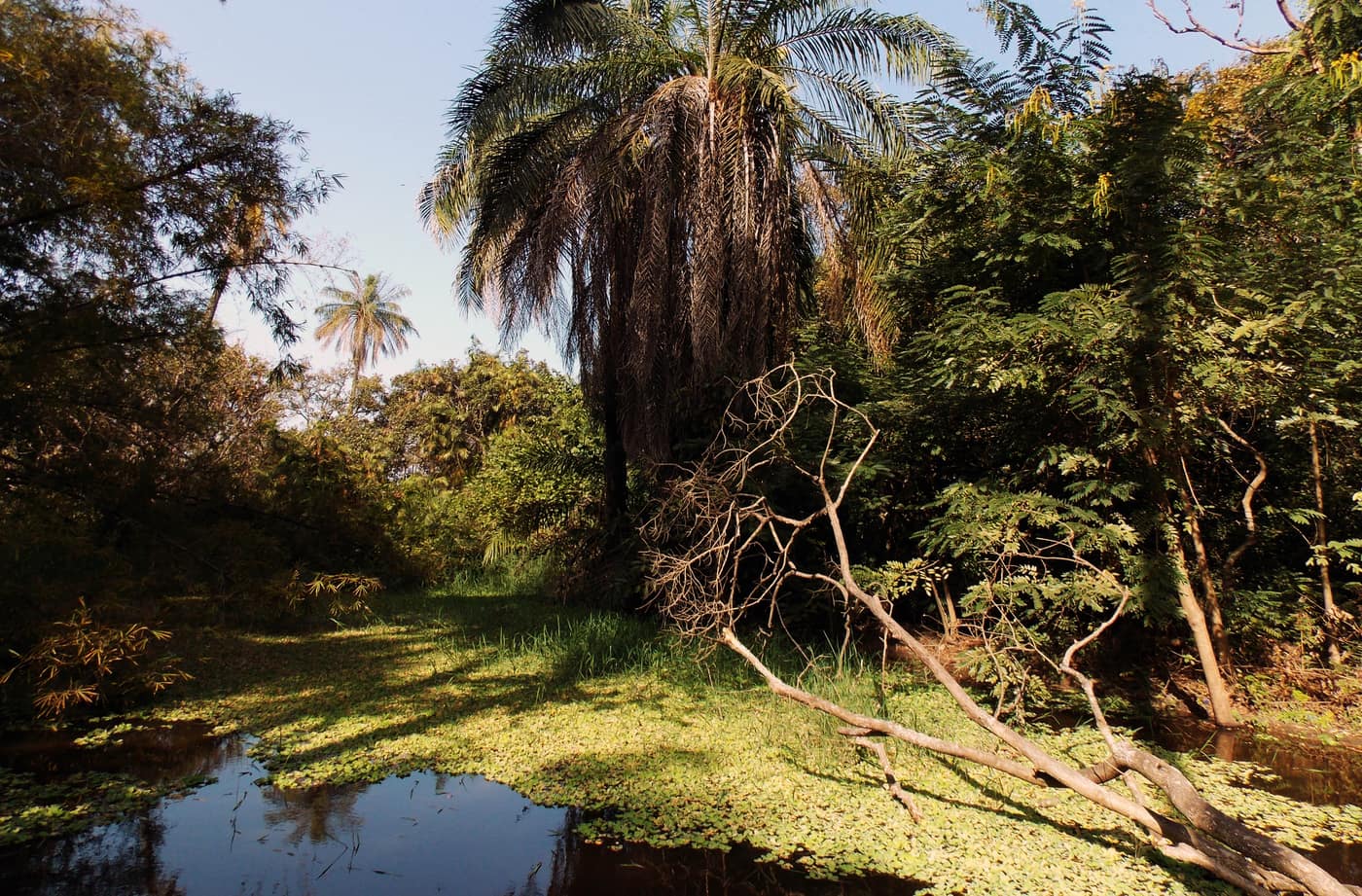
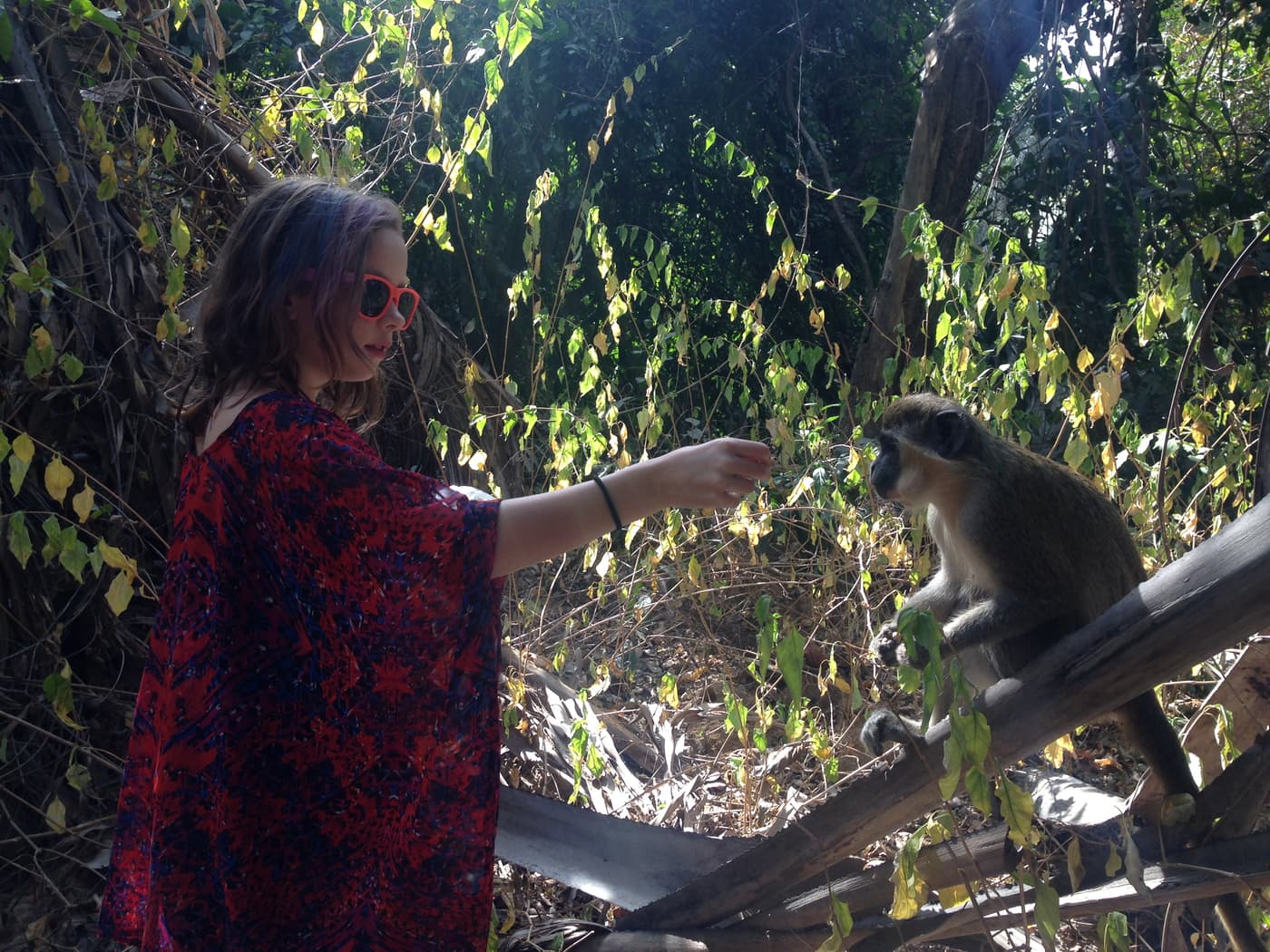
 Abuko Nature Reserve
The Gambia’s first protected area
A small pocket of gallery forest just past the airport road, protected since 1968. A single well-made trail loops past a crocodile pool, a photo hide and forest thick enough to hold colobus monkeys and 250-plus bird species.
 Wildlife & nature
 Bijilo Forest Park
Monkeys, palms and the sea beyond
Known to everyone as Monkey Park: 51 hectares of rhun palm forest between the Senegambia hotel strip and the beach, with a boardwalk trail, three monkey species and a sea breeze the rest of the coast would envy.
River & upcountry
River & upcountry
Upcountry, where the hippos, wild chimpanzees and 1,200-year-old stone circles are — and where almost no beach visitor goes.
 River & upcountry
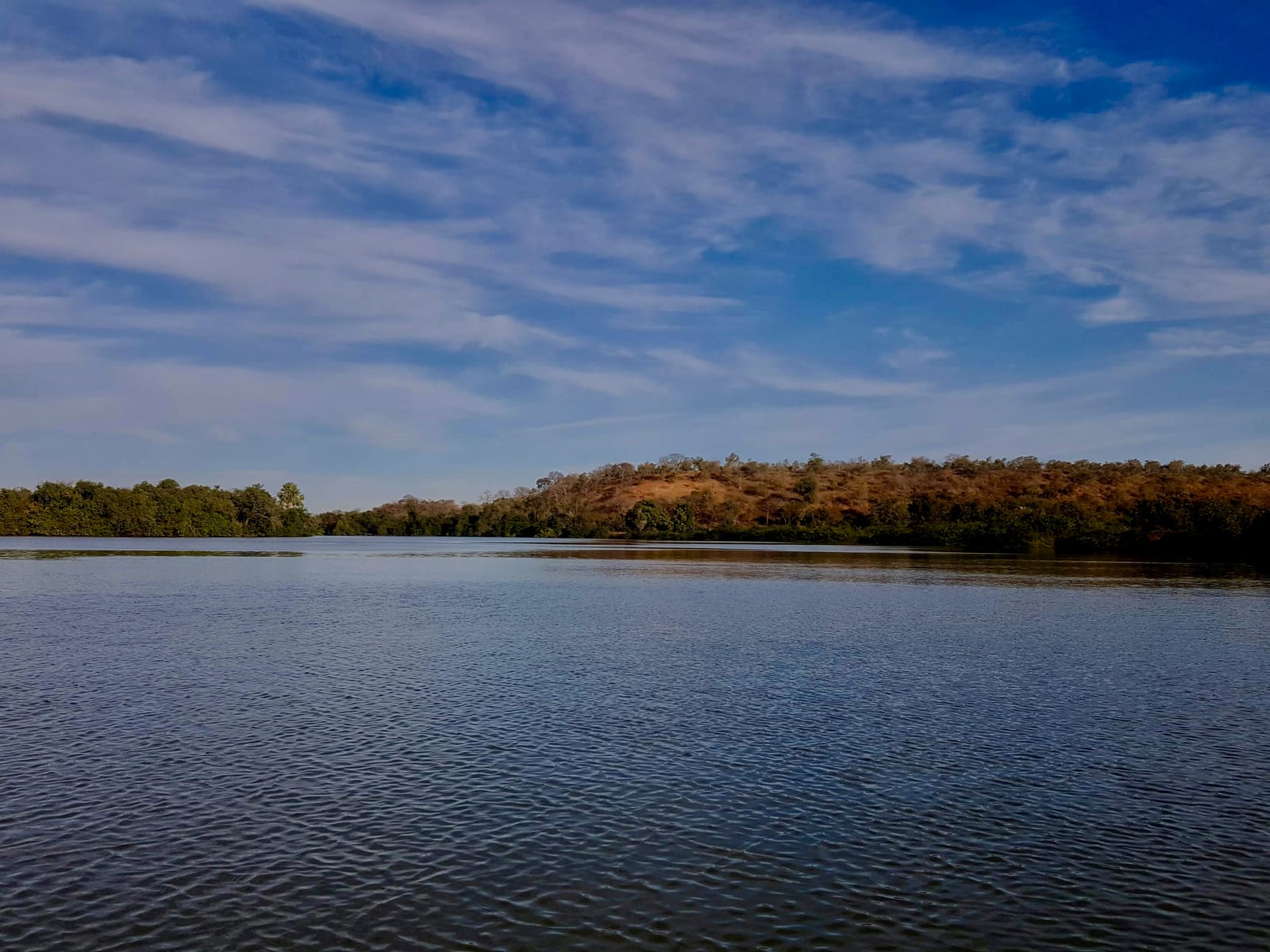
 The River & Upcountry
Hippos, chimpanzees and stone circles
Head 300 km east and the country changes completely: wide brown river, baobab savannah, the wild chimpanzees of Baboon Islands, hippos, and the 1,200-year-old Wassu Stone Circles on the UNESCO list.
Planning your route
What is the number one attraction in The Gambia?
Kunta Kinteh Island and the Roots villages of Juffureh and Albreda, for historical weight; Makasutu Culture Forest, for beauty; and Tanji fish market, for sheer vivid life. Most first-time visitors do all three plus a Banjul city tour.
How many days do you need in The Gambia?
Seven to ten nights is the standard package length and works well: three or four excursion days, the rest on the beach. Two weeks lets you add an upcountry trip without rushing.
Can you see everything without a car?
Yes. Almost nobody self-drives here. Green tourist taxis handle the coast, and every inland or upriver site is covered by a day tour with hotel pickup.
What is there to do in The Gambia besides the beach?
Birdwatching, river cruises, the UNESCO Roots sites, forest reserves with monkeys and crocodiles, markets, cooking classes, live drumming, and cross-border safaris into Senegal. The beach is the easiest part of a Gambian holiday, not the most interesting.
Plan your trip to The Gambia
Make The Gambia more than a beach holiday
River safaris, UNESCO history, 560 bird species and the friendliest welcome in West Africa — all within an hour of your hotel. Compare tours and book in a couple of taps.