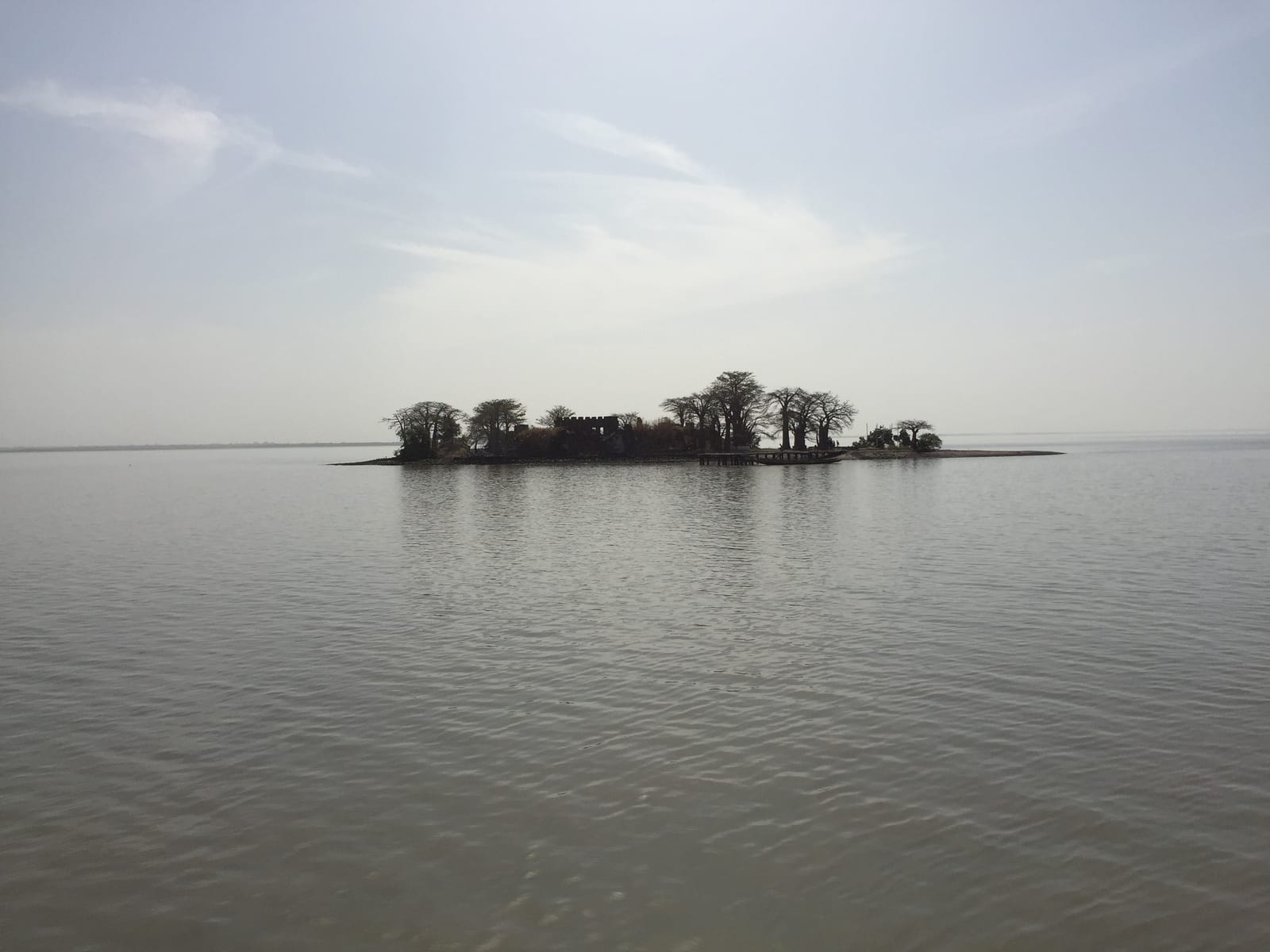
A few hundred metres of eroding rock and brickwork in the middle of the River Gambia, 30 km upstream from Banjul. For three hundred years this was one of the most contested places in West Africa: Portuguese, then Courlanders, then Dutch, French and British fought over it, because whoever held the island controlled river trade — in gold, ivory, beeswax and, above all, in people.
Renamed Kunta Kinteh Island in 2011 after the ancestor Alex Haley traced in Roots, it was inscribed on the UNESCO World Heritage list in 2003 as part of “Kunta Kinteh Island and Related Sites”, together with Juffureh and Albreda on the north bank, the ruined Portuguese chapel at San Domingo and the Fort Bullen battery at Barra.
The island is smaller every year — erosion has taken perhaps five-sixths of it since the 18th century — and the baobabs now stand at the water’s edge. Visiting is not a comfortable experience, and it should not be. It is, without much competition, the most important thing to see in The Gambia.
Top things to do at Kunta Kinteh Island
Stand inside the fort ruins
What is left of the British fort — the governor’s house, the slave holding cells, the gun batteries — sits under a handful of baobabs. Guides here are excellent and the site is left deliberately unrestored.
Juffureh and the Kinte compound
The village Alex Haley identified as his family’s origin. Visits usually include meeting a member of the Kinte family, which some travellers find moving and others find uncomfortably staged. Both reactions are common and honest.
The National Museum of the North Bank
Housed in a restored CFAO trading building at Albreda, this is the country’s dedicated museum of the slave trade, and much stronger than its size suggests.
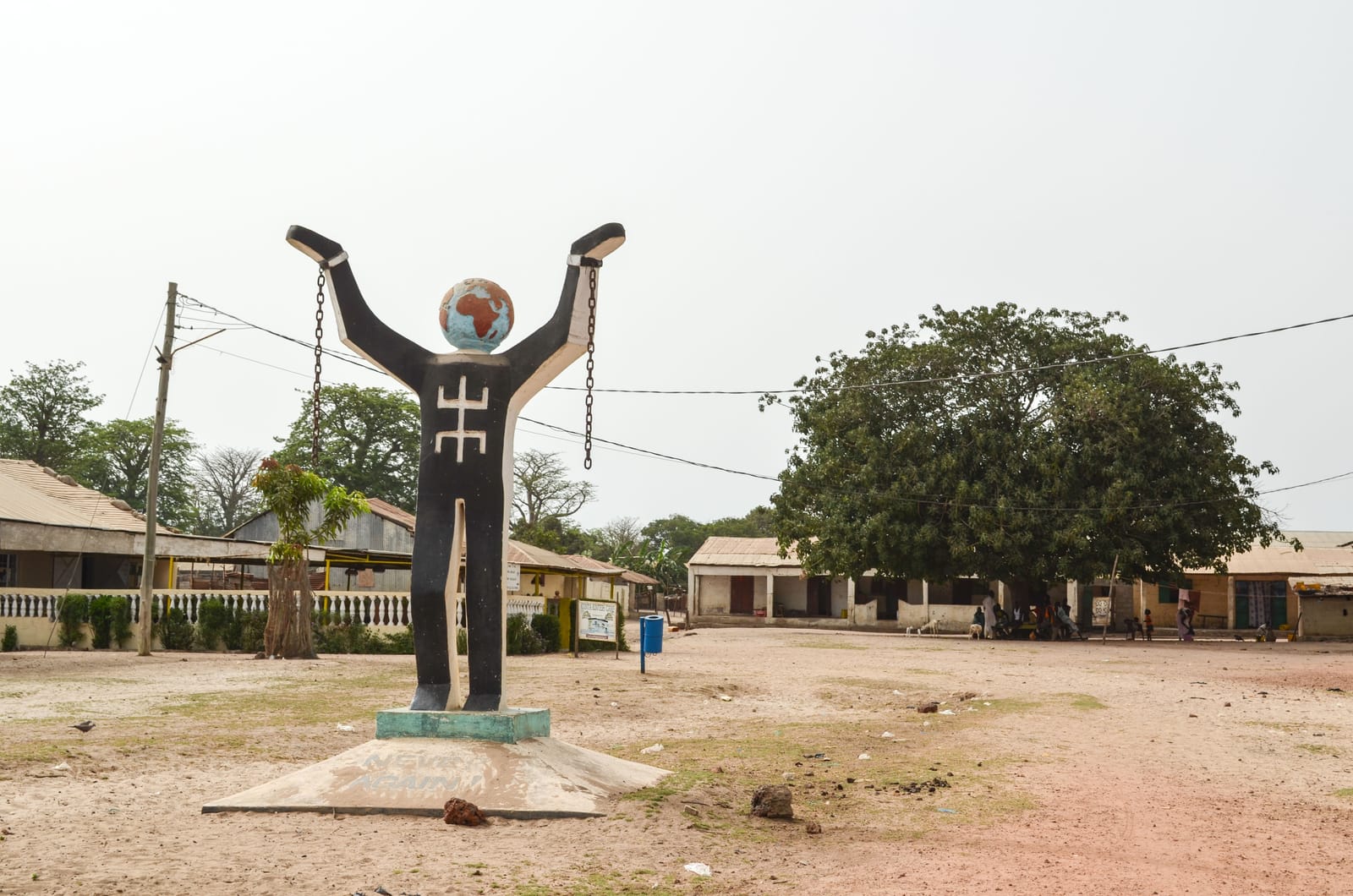
The Freedom Flagpole & “Never Again” monument
At Albreda landing, marking the point where enslaved people who reached the village were considered free under a later local ruling. A stark, well-judged memorial.
Fort Bullen at Barra
The 1826 British battery built to intercept slave ships after abolition. Part of the same UNESCO inscription and usually included on the drive from the ferry.
How to get to Kunta Kinteh Island
- The classic route: Banjul–Barra ferry across the river (30–60 minutes, plus queueing), then road to Albreda and Juffureh, then a small boat out to the island.
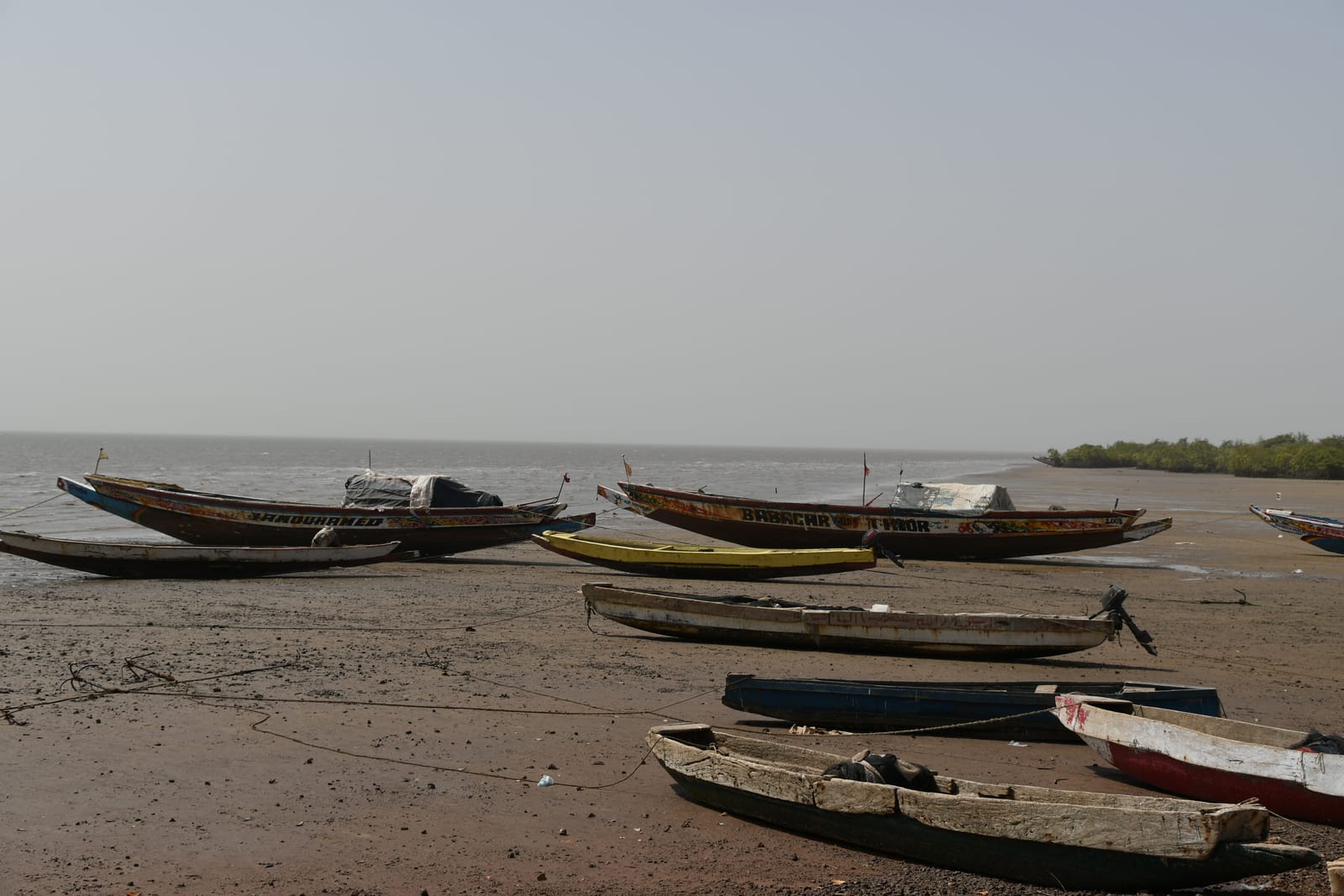
- The more comfortable route: a Roots river cruise that goes the whole way by boat from the coast, skipping the ferry queue entirely.
- Independent travel is possible but slow — the ferry timetable is unreliable and boatmen at Albreda negotiate hard. Nearly everyone books an organised day tour.
- Allow a full day from the coastal hotels, typically 8–10 hours door to door.
Insider tips
- Bring cash in small denominations for the site fee, the museum, the boatman and the guides.
- There is no shade on the island. Hat, water, sunscreen — non-negotiable.
- Go with a good guide. The site is bare; almost all of its meaning is carried by the person telling it.
- Be thoughtful with photography at Juffureh — this is a living village, not an exhibit.
- The boat landing is a wet step. Wear sandals or shoes you can get soaked.
Best tours for Kunta Kinteh Island
These top-rated experiences are the easiest way to see Kunta Kinteh Island:
 History tour from US$162
 Roots Tour & Kunta Kinteh Island
- UNESCO-listed Kunta Kinteh Island, once James Island slave fort
- Juffureh village, the setting of Alex Haley’s Roots
 History cruise from US$183
 Roots River Cruise
- Reach the Roots villages by boat instead of the ferry queue
- Kunta Kinteh Island, Juffureh and Albreda in one day
 Private tour from US$146
 Private Sightseeing Tour
- Build the itinerary around what you actually want to see
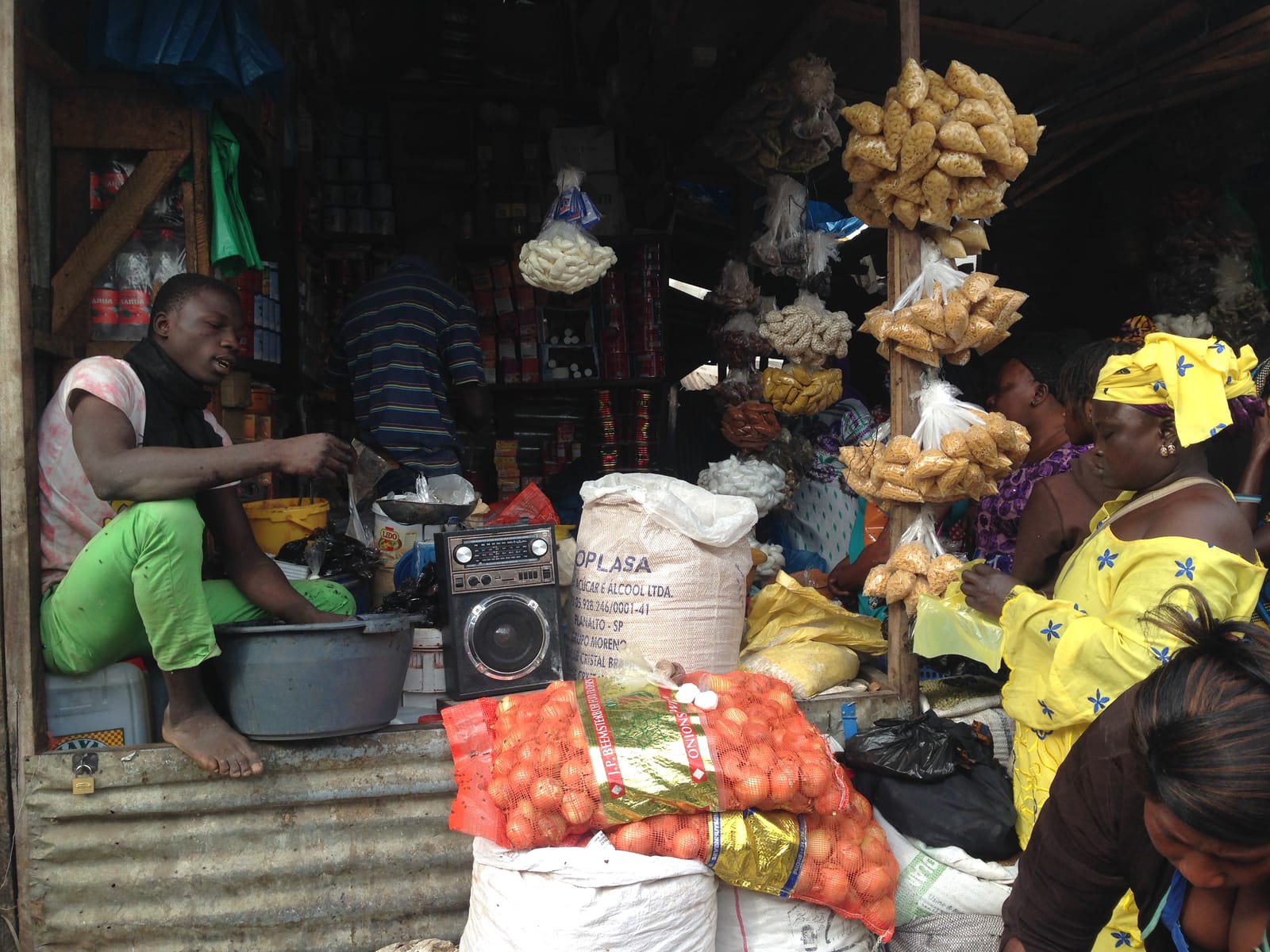
- Serrekunda and Brikama markets, craft workshops, beaches
Kunta Kinteh Island FAQs
Why was James Island renamed Kunta Kinteh Island?
The Gambian government renamed it in 2011 to honour the ancestor Alex Haley wrote about in Roots, and to replace a name given by the Duke of York. Both names are still in common use, including in tour titles.
Is Kunta Kinteh Island really where Kunta Kinte was held?
Haley traced his family’s oral history to Juffureh, and historians have debated the specifics of his account ever since. What is not in doubt is that the island was a major slave-trading post for three centuries, and that thousands of people passed through it. Good guides make that distinction clearly.
How long does the Roots tour take?
Eight to ten hours from the coastal hotels, including the ferry or boat crossing, Albreda, Juffureh, the museum and the island itself. It is a long, hot day.
Can I visit the island independently?
Yes, but it means the Banjul–Barra ferry, road transport on the north bank and negotiating a boat at Albreda. Most independent travellers conclude an organised tour is better value once the day is priced up.