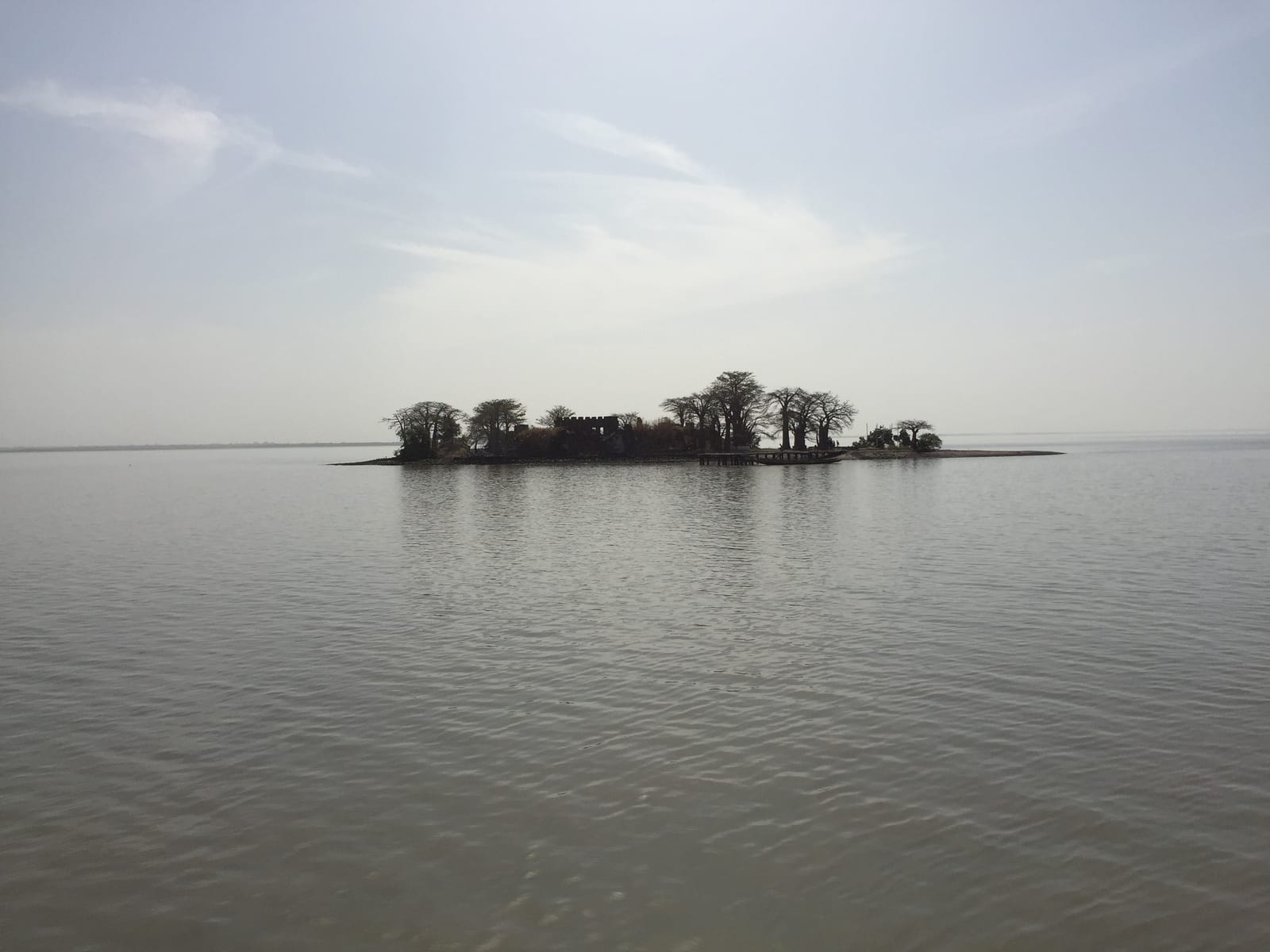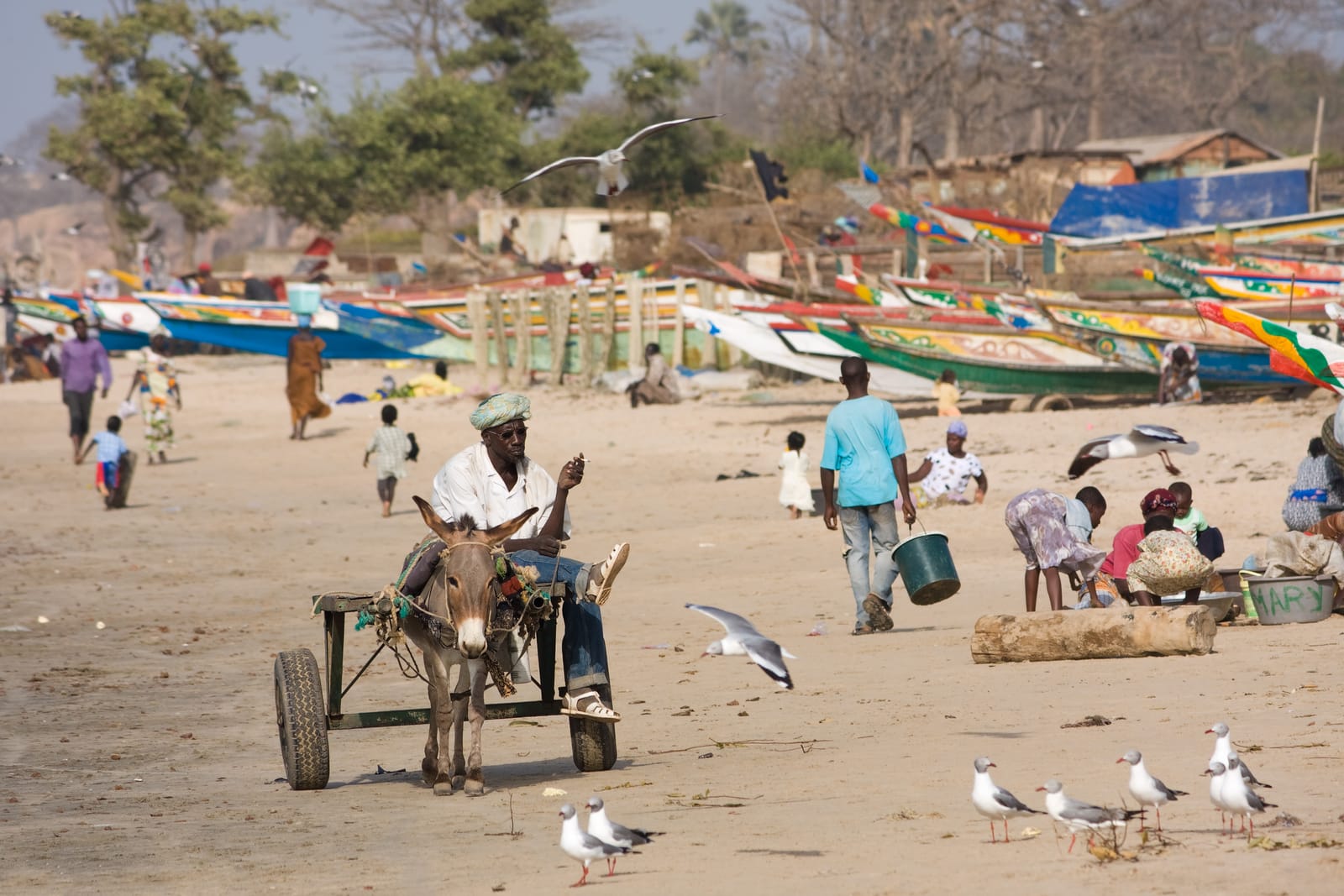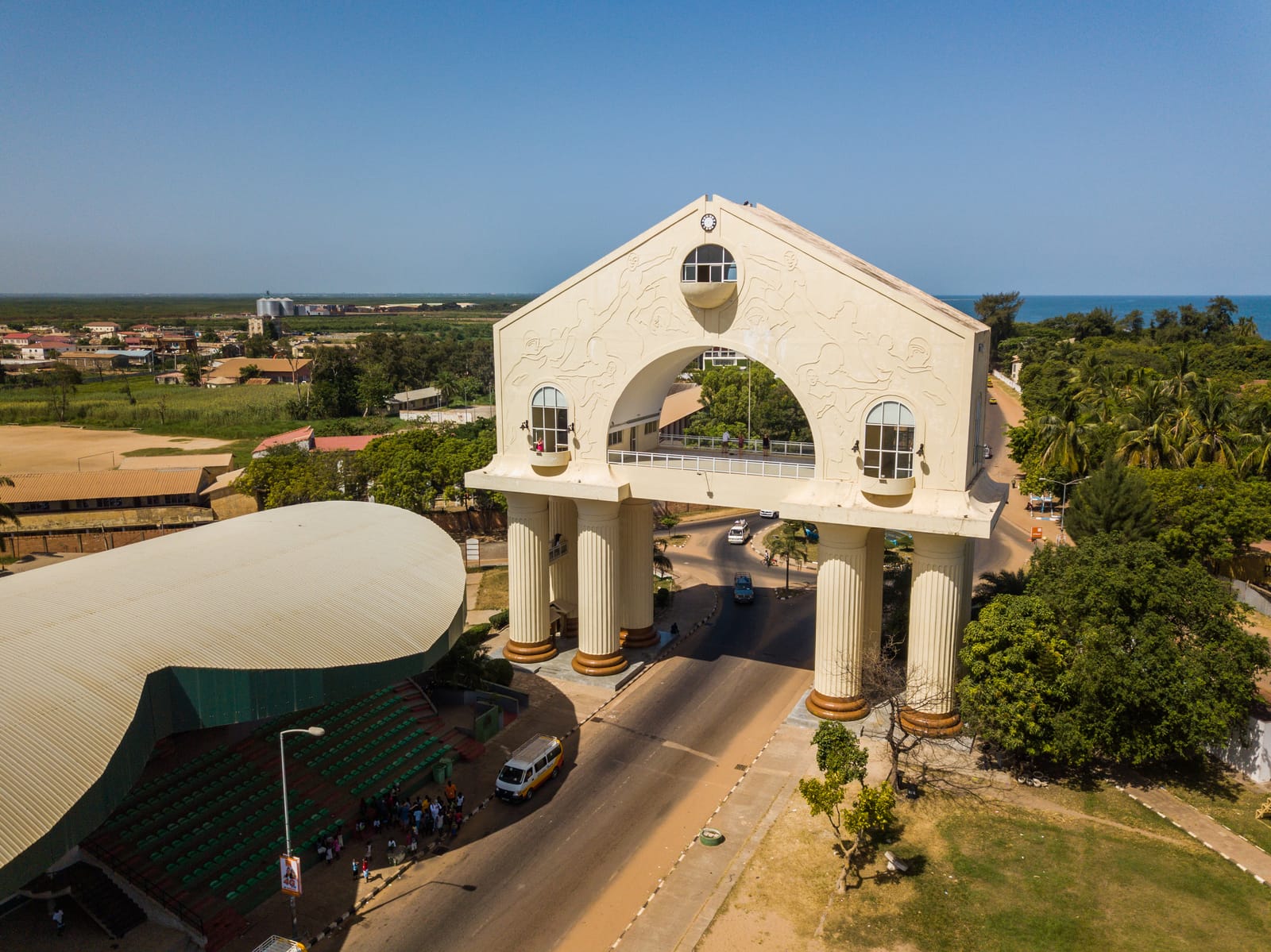
Banjul is the smallest capital city in mainland Africa and one of the strangest: a colonial port town of roughly 30,000 people, marooned on St Mary’s Island at the mouth of a river that is a mile wide, connected to the rest of the country by a single causeway. Most of The Gambia’s three million people live in the sprawl of Serrekunda and the coastal towns next door, so Banjul itself is oddly quiet — until you reach Albert Market.
It was founded as Bathurst in 1816 by the British, as a base for suppressing the very slave trade they had spent two centuries profiting from. That contradiction is stamped all over the city: elegant, peeling colonial verandas; the enormous 1996 Arch 22 built by a military government; and, underneath, a working port town where fishing boats and container ships share the same brown water.
You need about half a day. Almost every organised tour of the Greater Banjul area starts here, and going with a guide is genuinely worth it — the layers of history are invisible otherwise.
Top things to do at Banjul
Climb Arch 22
The 35-metre arch straddling the road into the city was built in 1996 to commemorate the 1994 coup. Politics aside, the viewing gallery on top is the best vantage point in The Gambia: the river mouth, the port, the ferry to Barra and the whole grid of the city laid out below.
Get lost in Albert Market
The country’s biggest market, running back from the waterfront in a warren of fabric, fruit, spice, tailors and tourist stalls. Prices are negotiable and the pace is relentless. Go early, keep valuables zipped, and buy the batik.
The Gambia National Museum
Small, old-fashioned and quietly excellent on Senegambian history, the kingdoms of the interior, musical instruments and the colonial period. An hour here reframes everything else you will see.
Walk the old town
The streets around Ma Cumba Jallow Street and Wellington Street still hold Portuguese-influenced Krio houses with wraparound balconies, plus the Anglican cathedral and the King Fahad Mosque a few blocks apart.
Watch the Barra ferry
The ferry across to the north bank is the country’s great public spectacle — trucks, goats, traders, sound systems, everything. Even if you are not crossing, the terminal is worth twenty minutes.
How to get to Banjul
- From the coastal hotels (Kololi, Kotu, Bakau) Banjul is 30–45 minutes by road via the Denton Bridge causeway — longer in weekday rush hour.
- Green tourist taxis wait outside every hotel and charge a fixed, negotiable rate for a half-day charter, which is usually the simplest option for independent visitors.
- Yellow shared taxis and gelly-gelly minibuses run the same route for a fraction of the price if you are comfortable with local transport.
- Almost all Banjul city tours include hotel pickup and drop-off, which removes the negotiation entirely.
Insider tips
- Go in the morning: Albert Market is at its best before 11am and the heat after noon is punishing.
- Ask before photographing people, especially in the market and at the mosque. A refusal is not personal.
- Carry small dalasi notes — nobody will have change for a D200 note at a market stall.
- Friday afternoons are quiet for prayers; Sunday is very quiet indeed.
- The arch has no lift. It is 4 storeys of stairs in the heat — worth it, but take water.
Best tours for Banjul
These top-rated experiences are the easiest way to see Banjul:
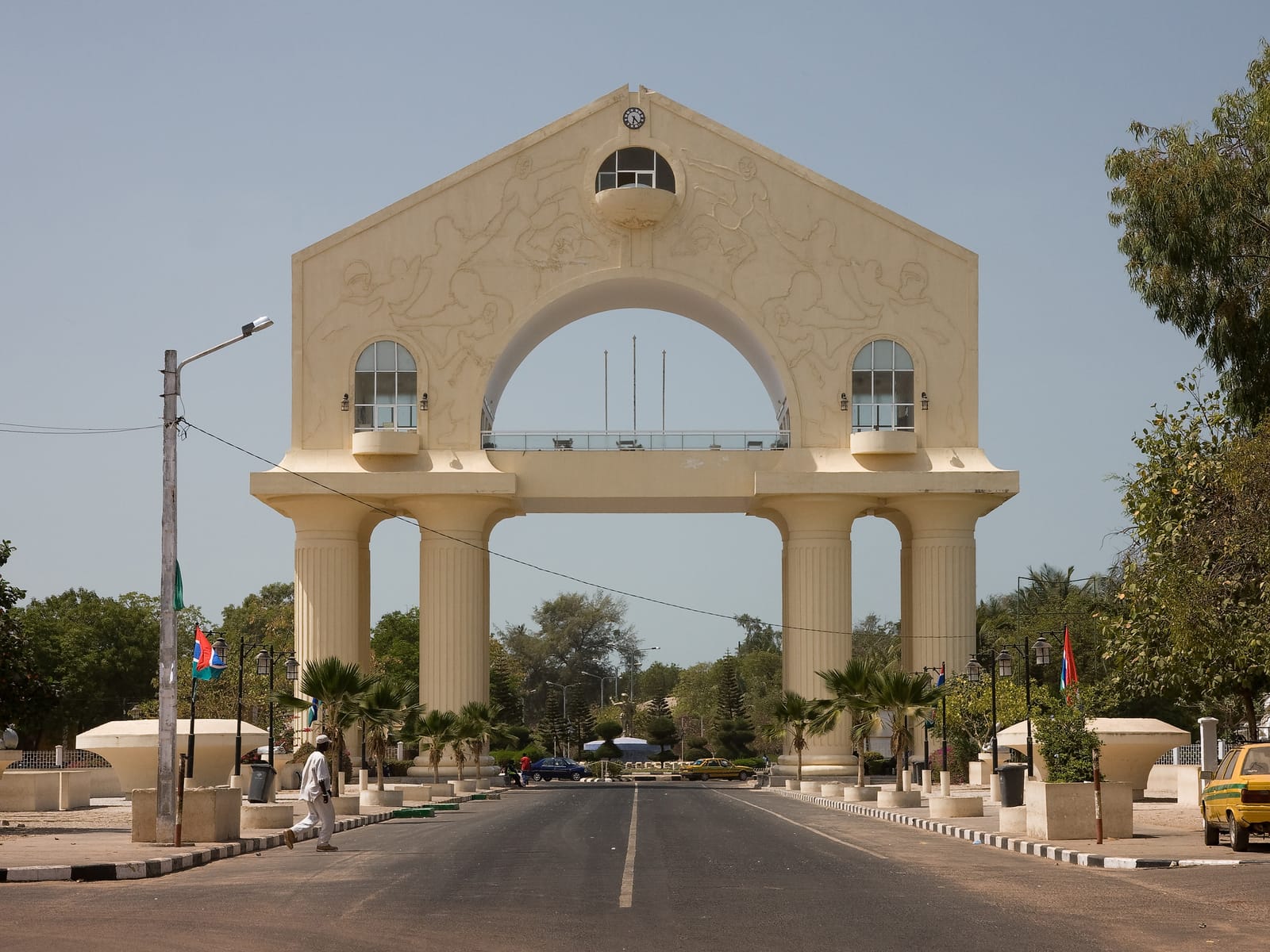 Full-day tour from US$122
 Banjul City & Wildlife Day Tour
- Climb Arch 22 for the best view over Banjul and the river mouth
- Gambia National Museum and the bustle of Albert Market
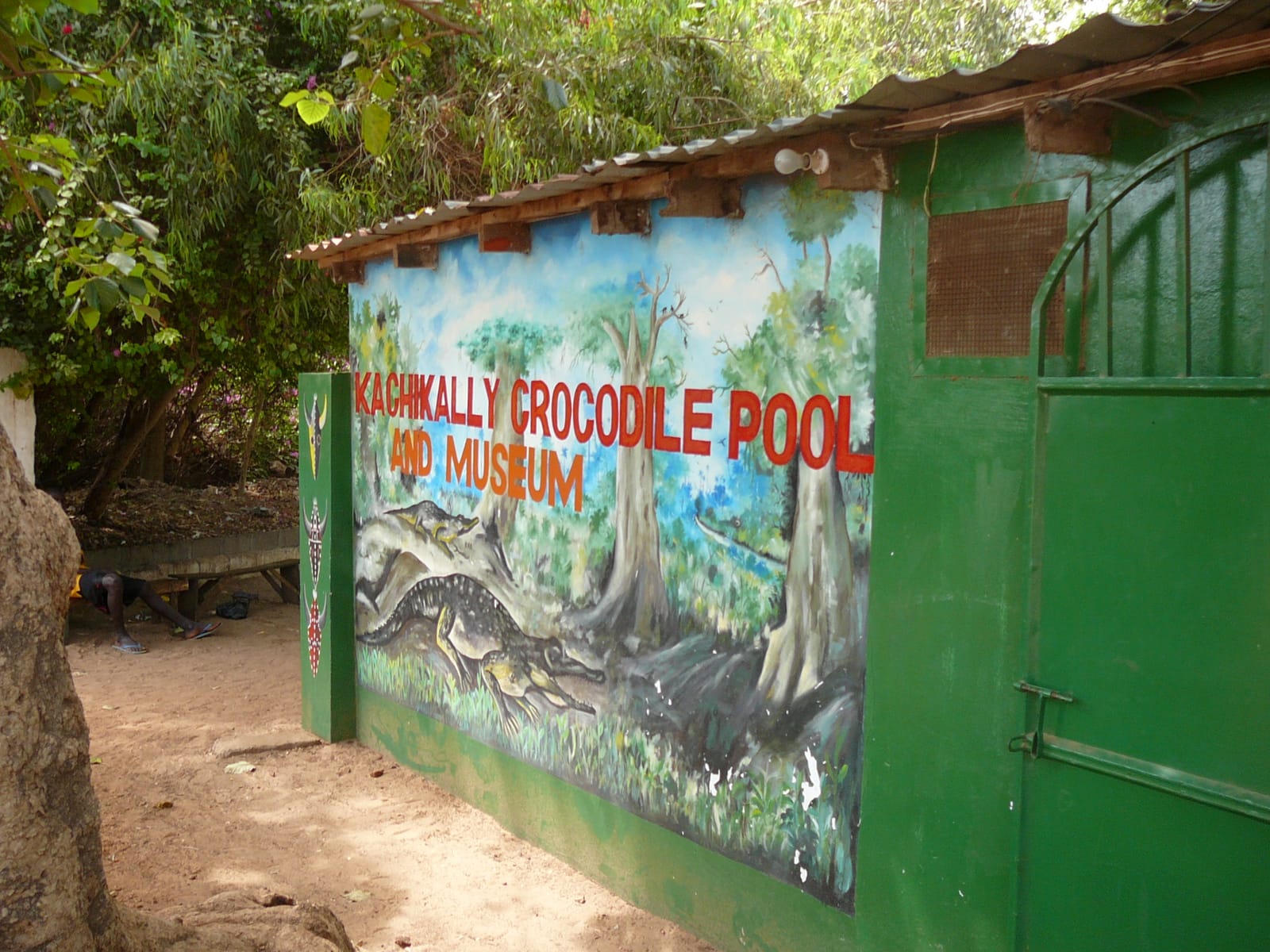 Half-day tour from US$156
 Banjul Highlights & Crocodiles
- A shorter, gentler city tour with a proper coffee stop
- Arch 22, Albert Market and the Banjul waterfront
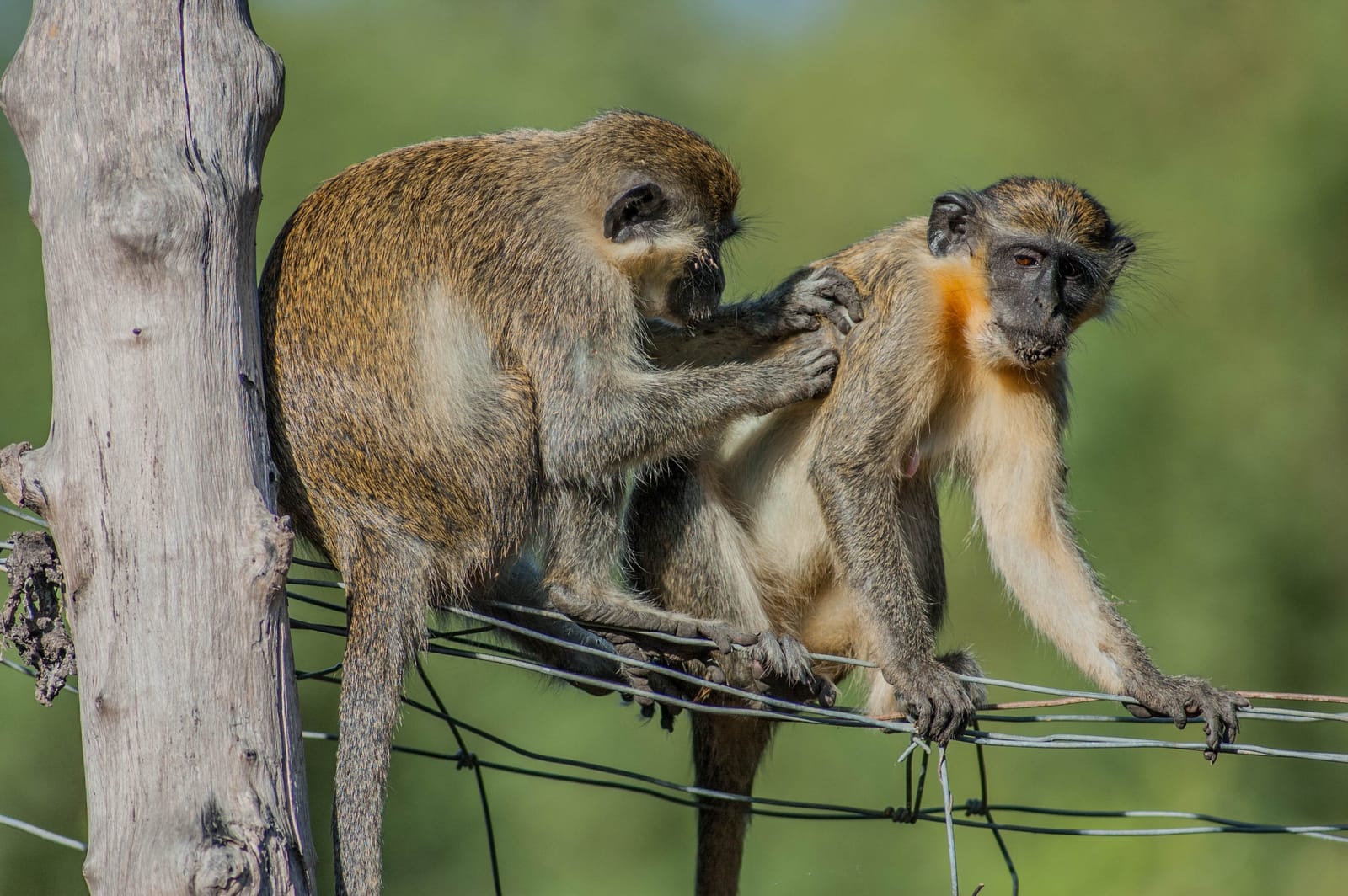 Full-day tour from US$149
 7 Attractions Day Tour
- Seven headline sights in one well-paced day
- Monkey Park (Bijilo Forest) and Kachikally Crocodile Pool
Banjul FAQs
Is Banjul worth visiting?
Yes, for half a day. It is not a beautiful city, but Arch 22, Albert Market and the National Museum together give you the historical and everyday context that makes the rest of the country make sense. Most travellers see it as part of a guided city tour that also covers Bakau and the monkey park.
Is Banjul safe for tourists?
Broadly yes — The Gambia has a low rate of violent crime and Banjul is no exception. Ordinary city precautions apply: watch your bag in Albert Market, avoid quiet streets after dark, and expect persistent but non-threatening approaches from vendors and guides.
How long do I need in Banjul?
Three to five hours covers everything most visitors want. Combined with Kachikally Crocodile Pool and Bijilo Forest Park it makes a comfortable full day.
What is the best way to get from Kololi to Banjul?
A chartered green tourist taxi for a half day, or an organised tour with hotel pickup. Driving yourself is possible but the Serrekunda traffic and unsignposted junctions make it more stressful than it is worth for one day.