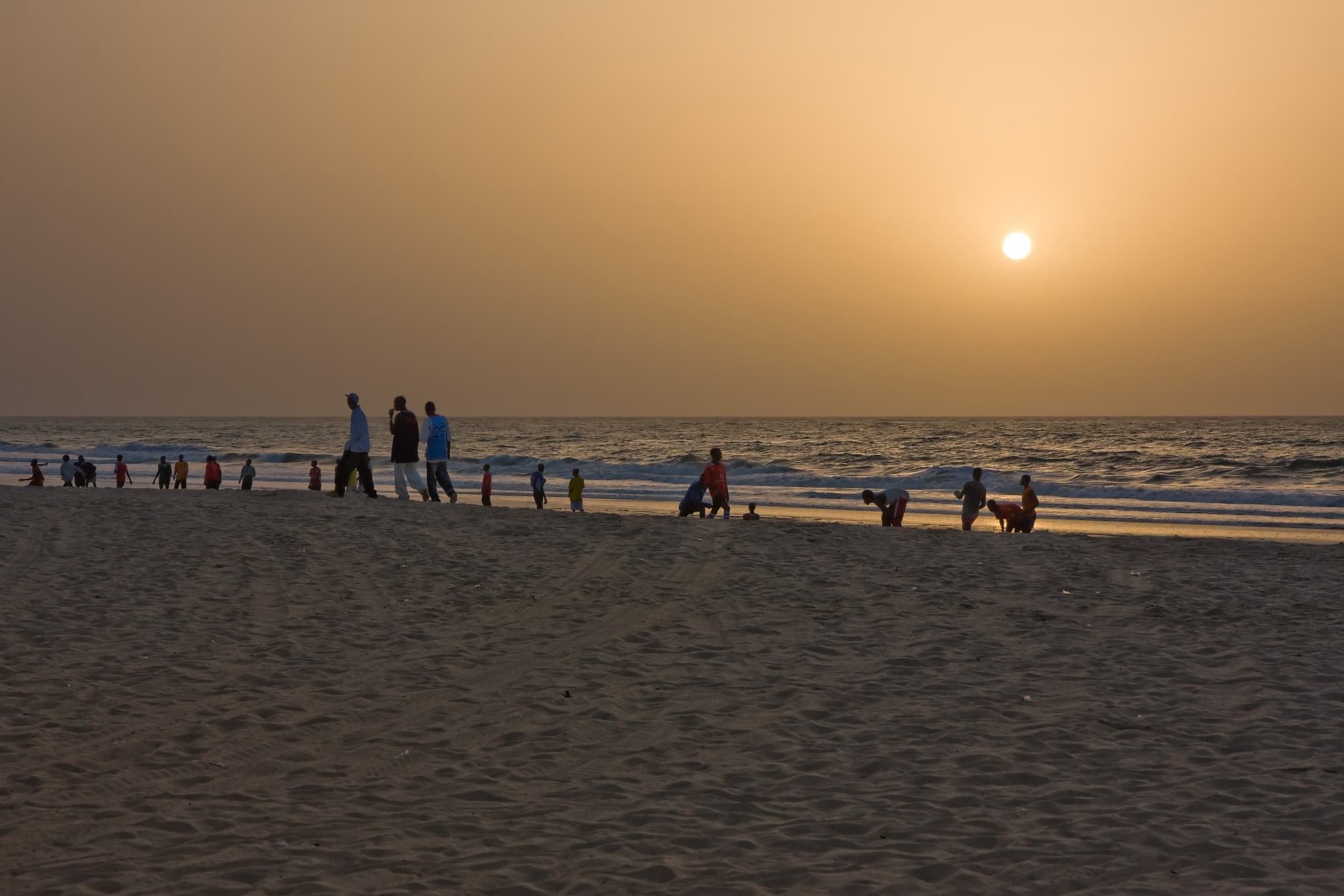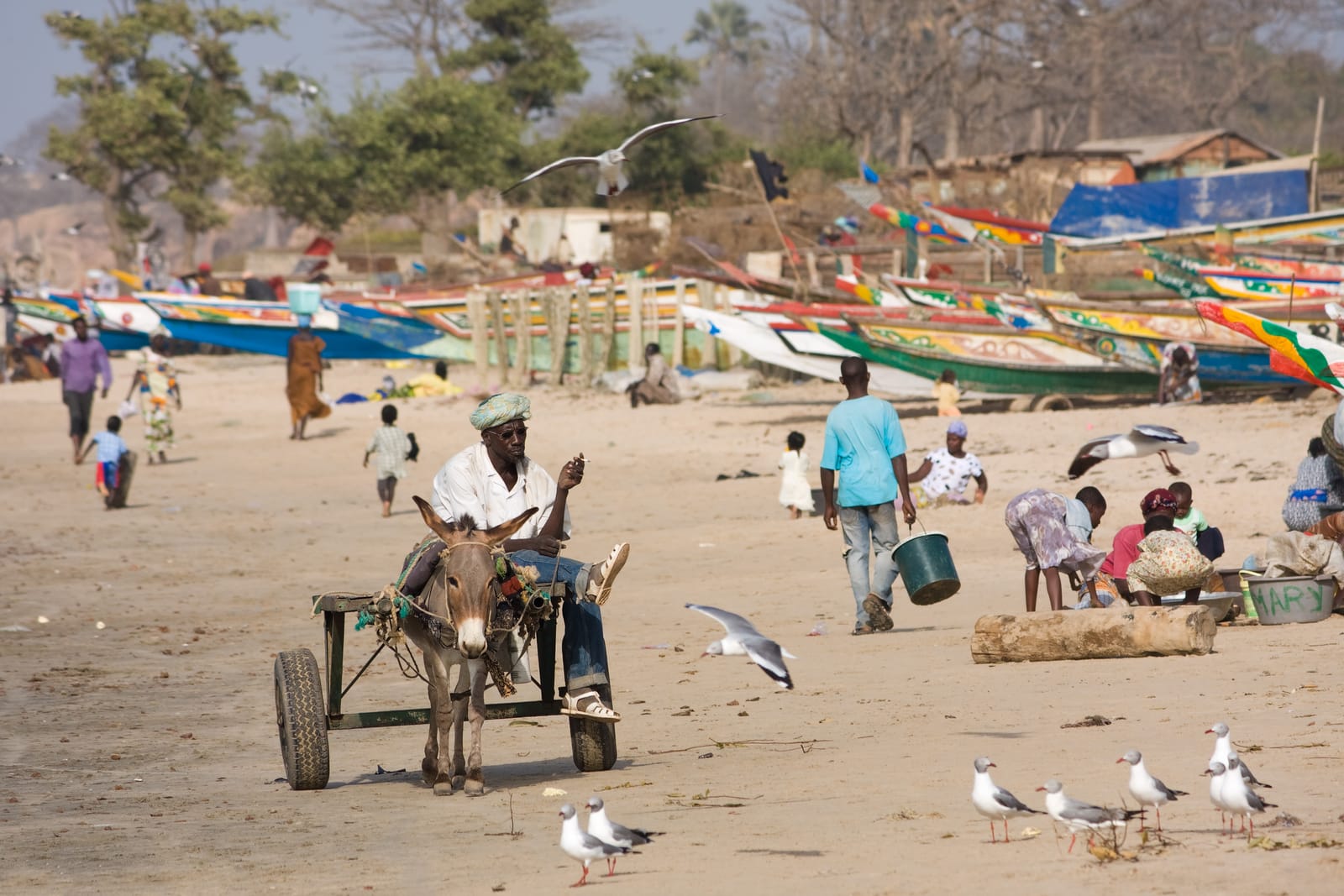
The Gambia has about 80 kilometres of Atlantic coastline, and every metre of it faces west. That single geographic fact explains a lot: the sunsets are extraordinary, the surf is real rather than decorative, and the beach bars all point the same way at 6.30pm.
The coast divides roughly into three. The northern end — Cape Point, Bakau and Fajara — is older, quieter and closer to Banjul. The middle — Kotu, Kololi and the Senegambia strip — is the tourism engine room, with the majority of the hotels, restaurants and nightlife. South of Brufut the crowds thin fast, and by the time you reach Sanyang, Gunjur and Kartong you are on fishing beaches with a handful of beach bars and eco-lodges.
Sand quality varies with the season: the surf rebuilds the beaches through the dry months and cuts into them during the rains. Erosion is a real and ongoing issue along parts of the coast, so hotel beach frontage genuinely changes from year to year.
Top things to do at The Atlantic Coast
Kololi & the Senegambia strip
The busiest stretch: a pedestrianised road of restaurants, bars and craft stalls behind a long beach, backing onto Bijilo Forest Park. Convenient and lively; not remotely quiet.
Kotu Beach
Older resorts, a fishing centre and — critically for birders — the Kotu Creek bridge, where a scope and forty minutes will get you kingfishers, hamerkops and waders without leaving the hotel strip.
Cape Point & Bakau
The northern tip, where the river meets the ocean. Calmer water, a strip of decent seafood places and Kachikally Crocodile Pool a few minutes inland.
Sanyang (Paradise Beach)
Forty-five minutes south of Kololi and worth every one of them — a long curve of pale sand, palm-thatched bars, fishing pirogues and dramatically fewer people.
Gunjur & Kartong
The far south, near the Senegalese border. Fishing communities, community eco-lodges, the Kartong reptile farm and the Allahein river mouth. The Gambia at its least developed.
How to get to The Atlantic Coast
- All the main resort beaches are within 20 minutes of each other by road; Kololi to Bakau is about 15 minutes outside rush hour.
- Green tourist taxis run set routes between hotels and beaches and can be chartered by the half day.
- Sanyang, Gunjur and Kartong are 45–75 minutes south of Kololi on a good tarmac road — easy as a day trip, better as an overnight.
- Banjul International Airport (BJL) is 20–35 minutes from the coastal hotels.
Insider tips
- Sunset is between roughly 6.15pm and 7.30pm depending on the month, and it happens fast. Be in position 20 minutes early.
- The Atlantic here has rip currents. Swim where other people are swimming and take local advice seriously.
- “Bumsters” — young men offering guiding, friendship or goods on the tourist beaches — are a known nuisance rather than a danger. A firm, friendly and repeated “no thank you” works; engaging at length does not.
- Beach bars at Sanyang and Kartong are cash-only. Bring dalasi.
- From July to October the beaches are emptier, greener and wetter, and many smaller places close.
Best tours for The Atlantic Coast
These top-rated experiences are the easiest way to see The Atlantic Coast:
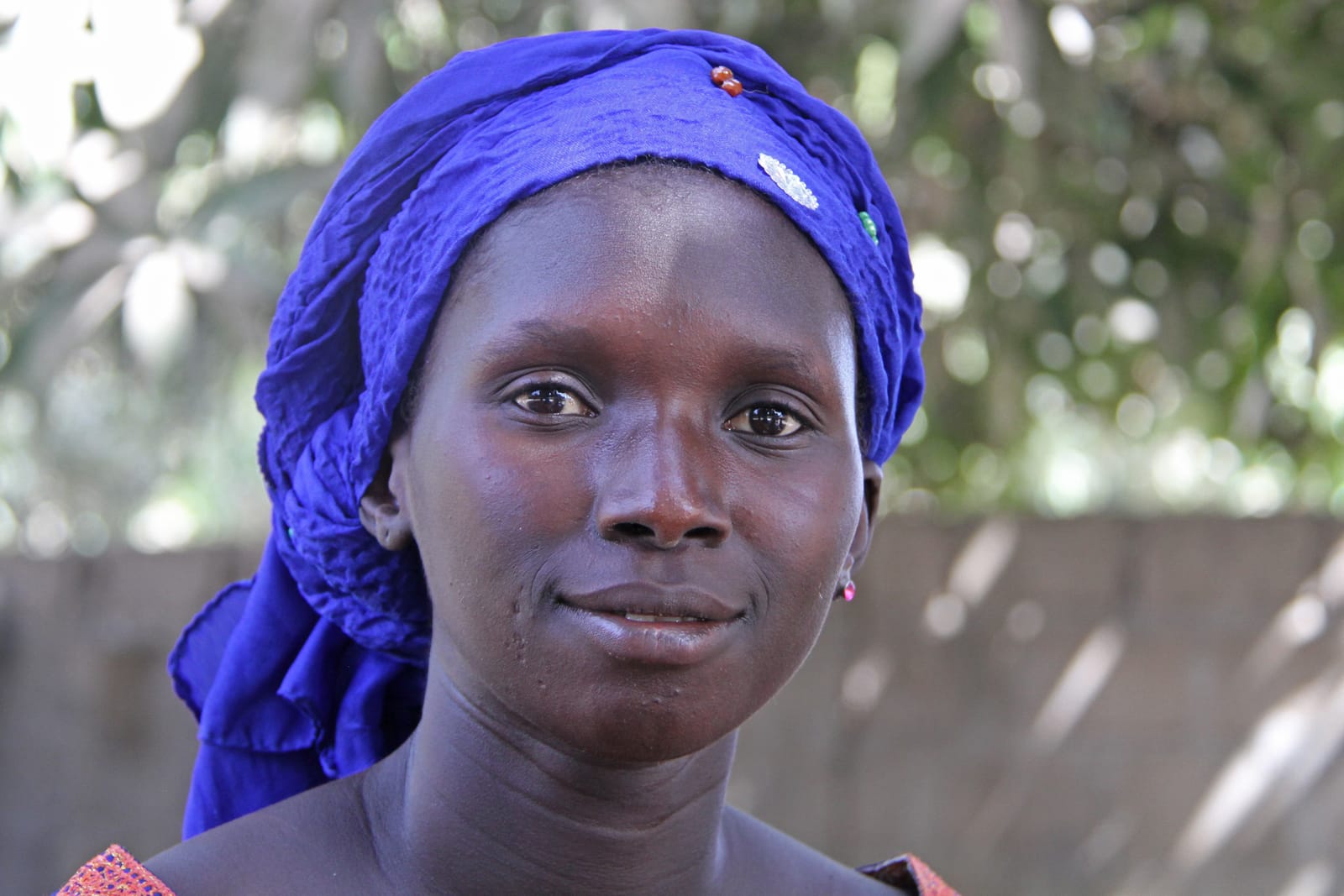 Photo session from US$176
 Private Holiday Photoshoot
- A professional photographer at a location of your choice
- Beach, forest or market backdrops
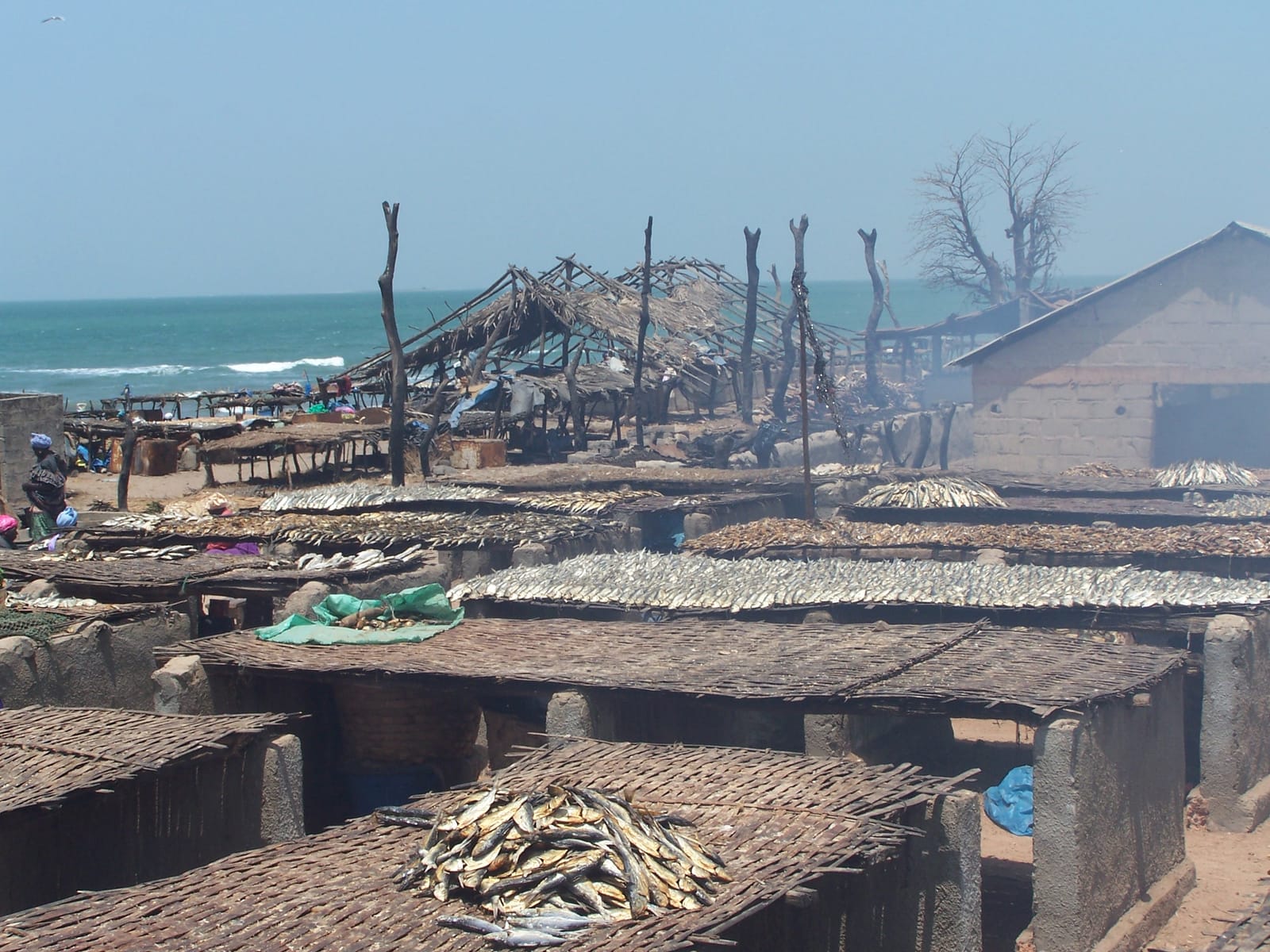 Half-day tour from US$95
 Tanji Village & Fish Market
- Tanji fish market and the smokehouses at their busiest
- A working Gambian village compound, visited respectfully
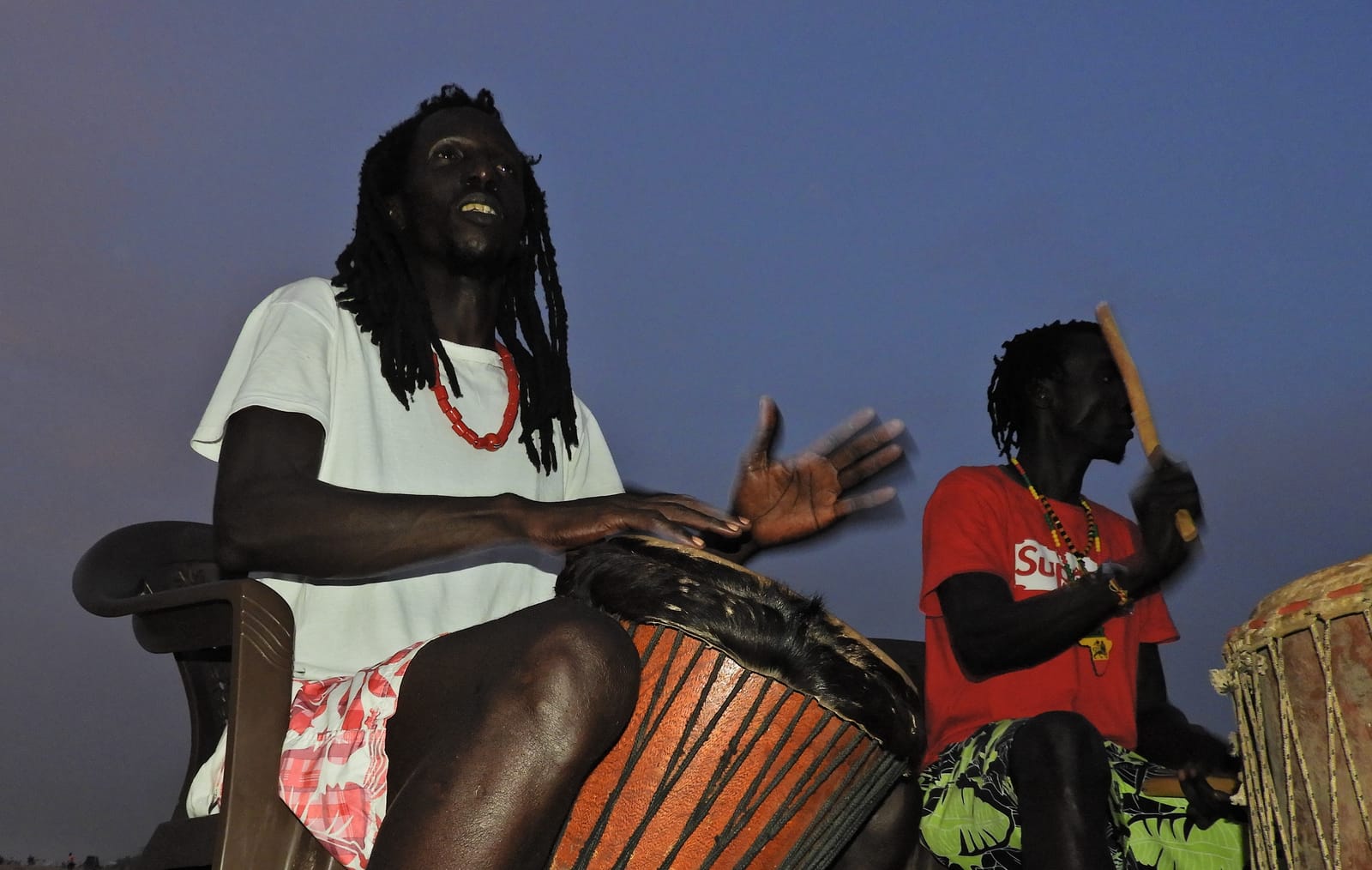 Evening out from US$69
 African Nightlife Experience
- Live djembe and sabar drumming by Gambian musicians
- Traditional dance you are expected to join in with
The Atlantic Coast FAQs
Which is the best beach in The Gambia?
Sanyang (Paradise Beach) wins on looks and space; Kololi wins on convenience; Cape Point wins on calm water. If you want one beach day out of your holiday, make it Sanyang.
Can you swim in the sea in The Gambia?
Yes, and the water is warm year-round — around 20–28°C. There are rip currents and very few lifeguards, so swim near others, stay within your depth, and do not swim after dark.
Where should I stay on the coast?
Kololi for restaurants and nightlife, Kotu for birding and value, Cape Point/Bakau for quiet, Sanyang southwards for barefoot. Our where to stay guide breaks each area down with hotel links.
Are the beaches crowded?
Only the hotel frontages at Kololi and Kotu, and only in the December–February high season. Ten minutes’ walk in either direction and you will have sand to yourself.