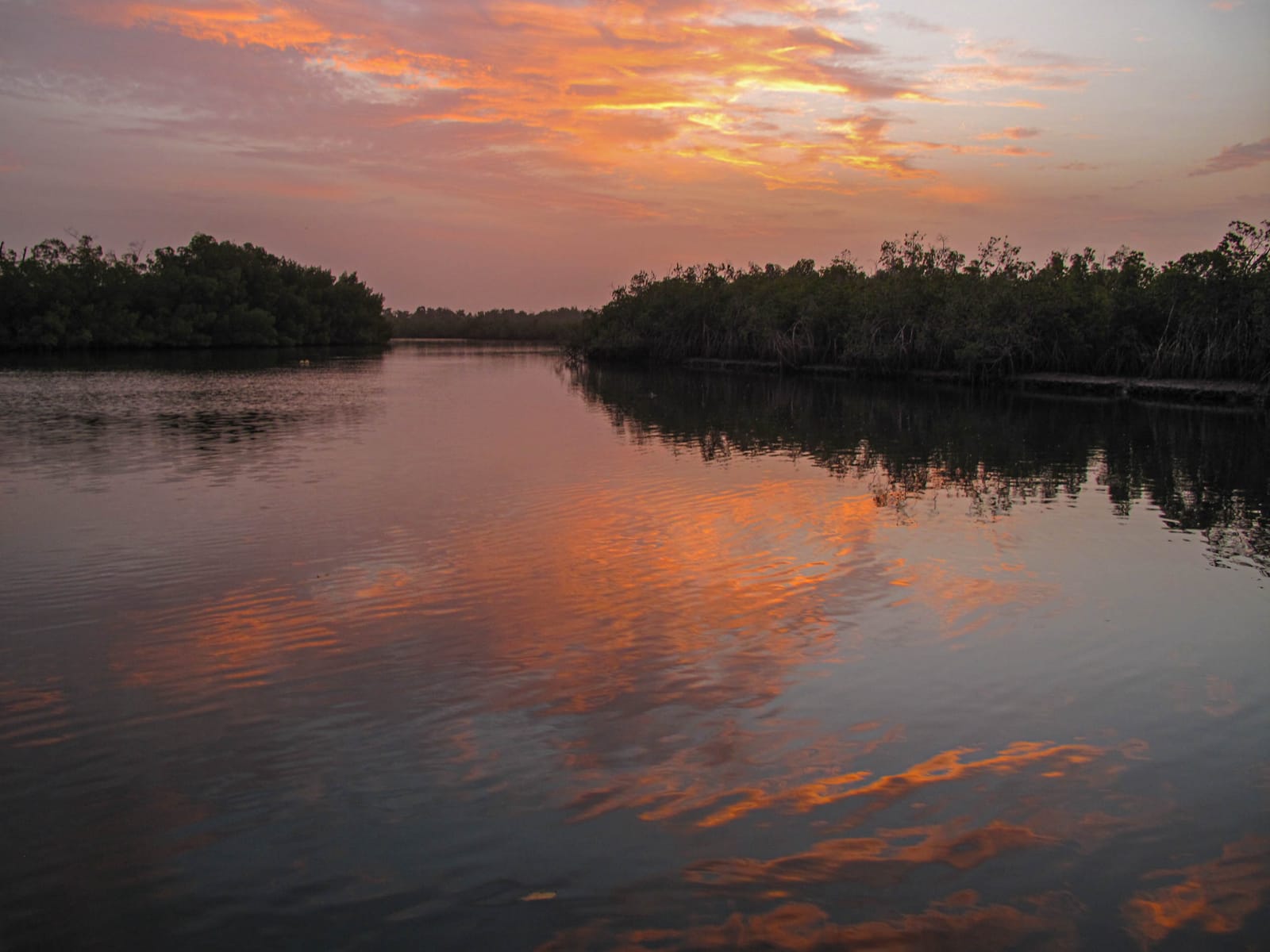
Makasutu means “sacred forest” in Mandinka, and the thousand acres protected under that name half an hour inland from the coast are the most beautiful single place in The Gambia. Four habitats meet here — mangrove creek, rhun palm forest, dry savannah woodland and baobab grove — and you move between them by dugout canoe and on foot in the course of one morning.
It was created in the 1990s by two British travellers who bought a small patch of riverside forest and kept extending it, working with the surrounding villages rather than fencing them out. Today it supports a community of guides, drummers, palm-wine tappers and craftspeople, and the boutique Mandina Lodges float on stilts in the creek itself.
The wildlife is not big game — it is baboons, vervet monkeys, monitor lizards, mongoose and over 100 bird species — but the setting is extraordinary, and the day is paced so you actually notice it.
Top things to do at Makasutu Culture Forest
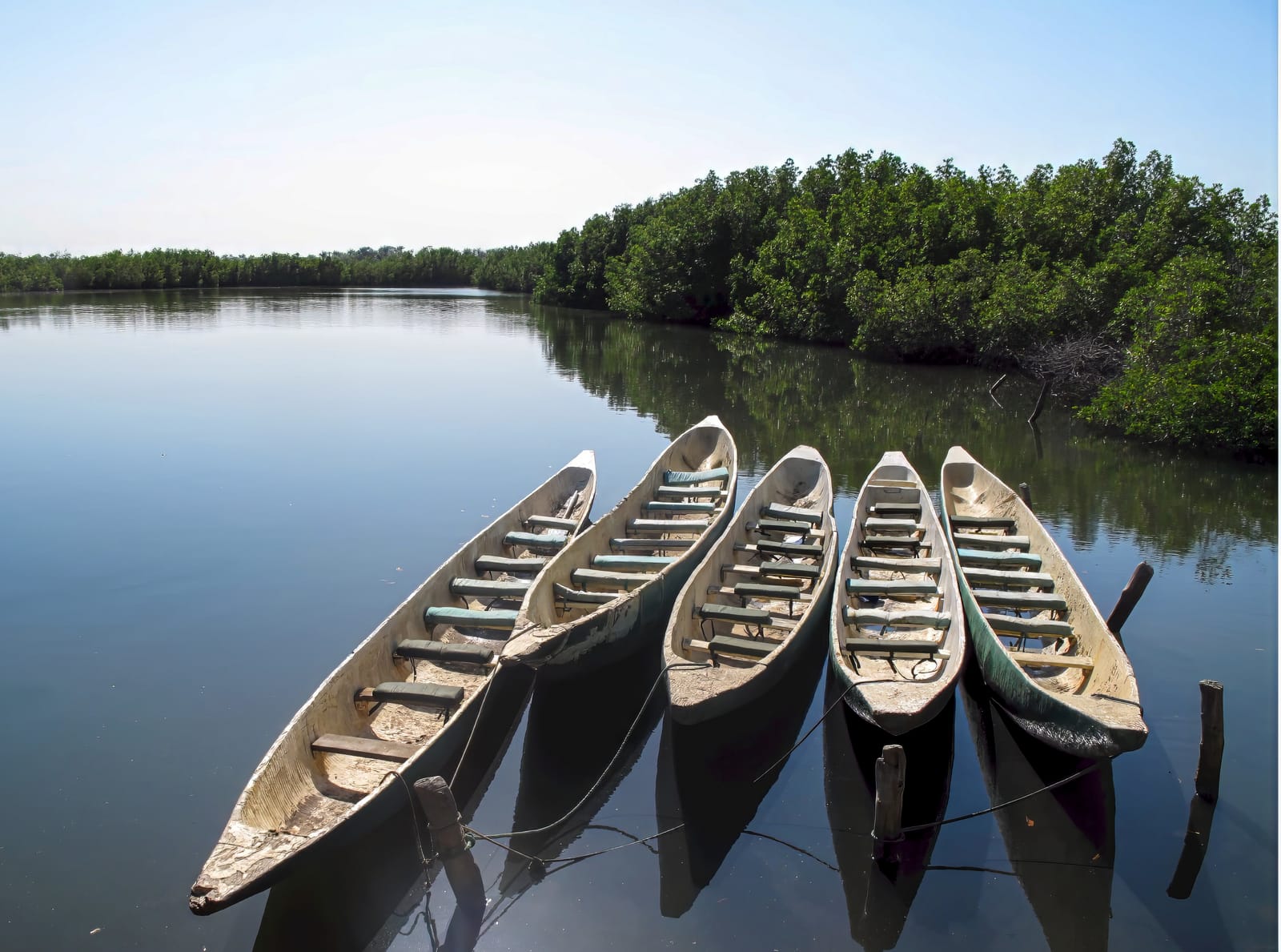
Dugout canoe on the Mandina bolong
The day usually opens with a silent paddle through mangrove tunnels at high water. Kingfishers, herons and, if you are quiet, fiddler crabs by the thousand on the mud.
Guided forest walk
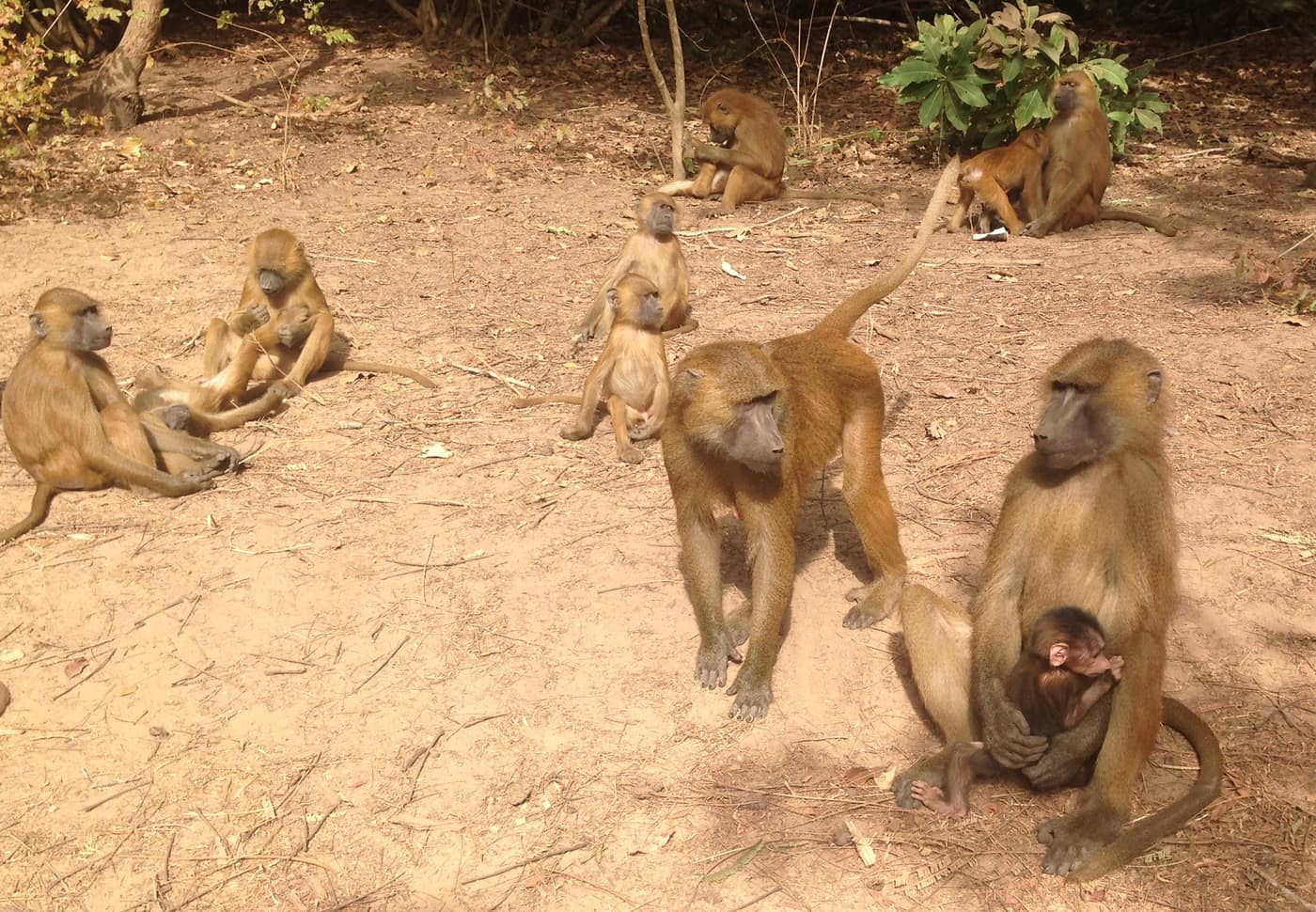
Through palm forest into savannah, with a guide explaining medicinal plants, termite mounds and the resident baboon troop that has learned exactly when lunch is served.
Palm wine tapping
A tapper climbs a rhun palm on a rope harness to show how the sap is drawn. Trying the result is optional and, in the morning, mild.
Drumming and dance
A live performance at the base camp over lunch — participation more or less compulsory, and much more fun than it sounds.
Stay at Mandina Lodges
Floating and stilted lodges in the creek, one of the few genuinely special places to stay in the country. Bookable through the accommodation guide.
How to get to Makasutu Culture Forest
- Makasutu is near Kembujeh, about 25 km and 45 minutes inland from the Kololi hotel strip.
- Nearly everyone visits on an organised day trip with hotel pickup — the site is not signposted for casual visitors and the day is designed as a package.
- A chartered taxi from the coast is possible; agree the return time before you leave.
- Day visits typically run 9am–4pm including lunch and transfers.
Insider tips
- Go in the morning: the canoe trip depends on the tide, and the light in the mangroves is best early.
- Long sleeves and repellent for the creek section — the mangroves have mosquitoes even in the dry season.
- Take cash for the craft workshop; the carvers and batik makers here are genuinely good.
- Combine with nothing else. Makasutu deserves a whole unhurried day.
- Photographers: the 20 minutes after sunrise and before sunset in the creek are the reason to consider staying overnight.
Best tours for Makasutu Culture Forest
These top-rated experiences are the easiest way to see Makasutu Culture Forest:
 Nature day trip from US$136
 Makasutu Culture Forest
- Dugout canoe through the mangrove creeks of the Mandina bolong
- Walk through palm forest, savannah and baobab groves
 Countryside trip from US$157
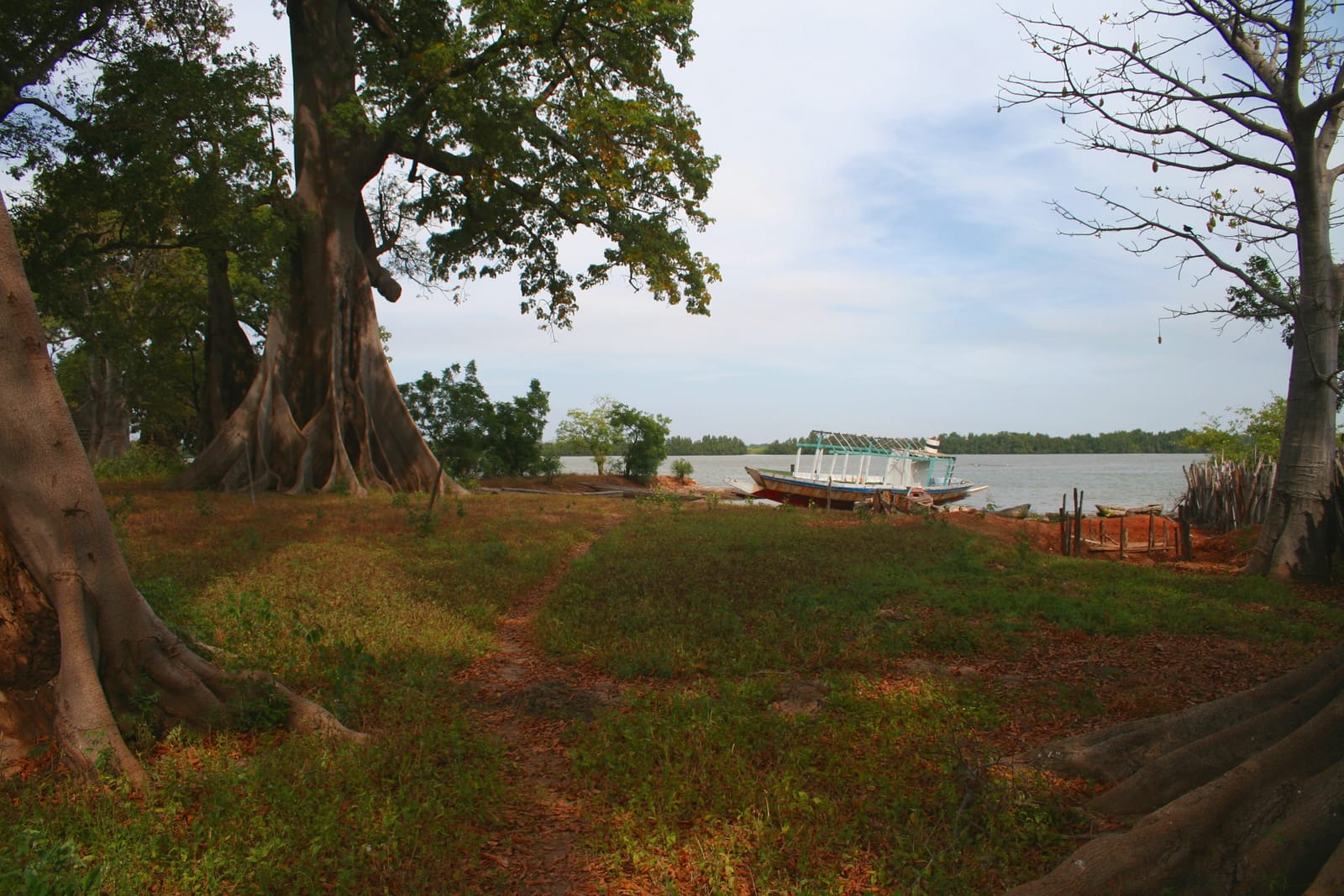
 Baobab Island & Villages
- Drive into the Foni countryside away from the tourist coast
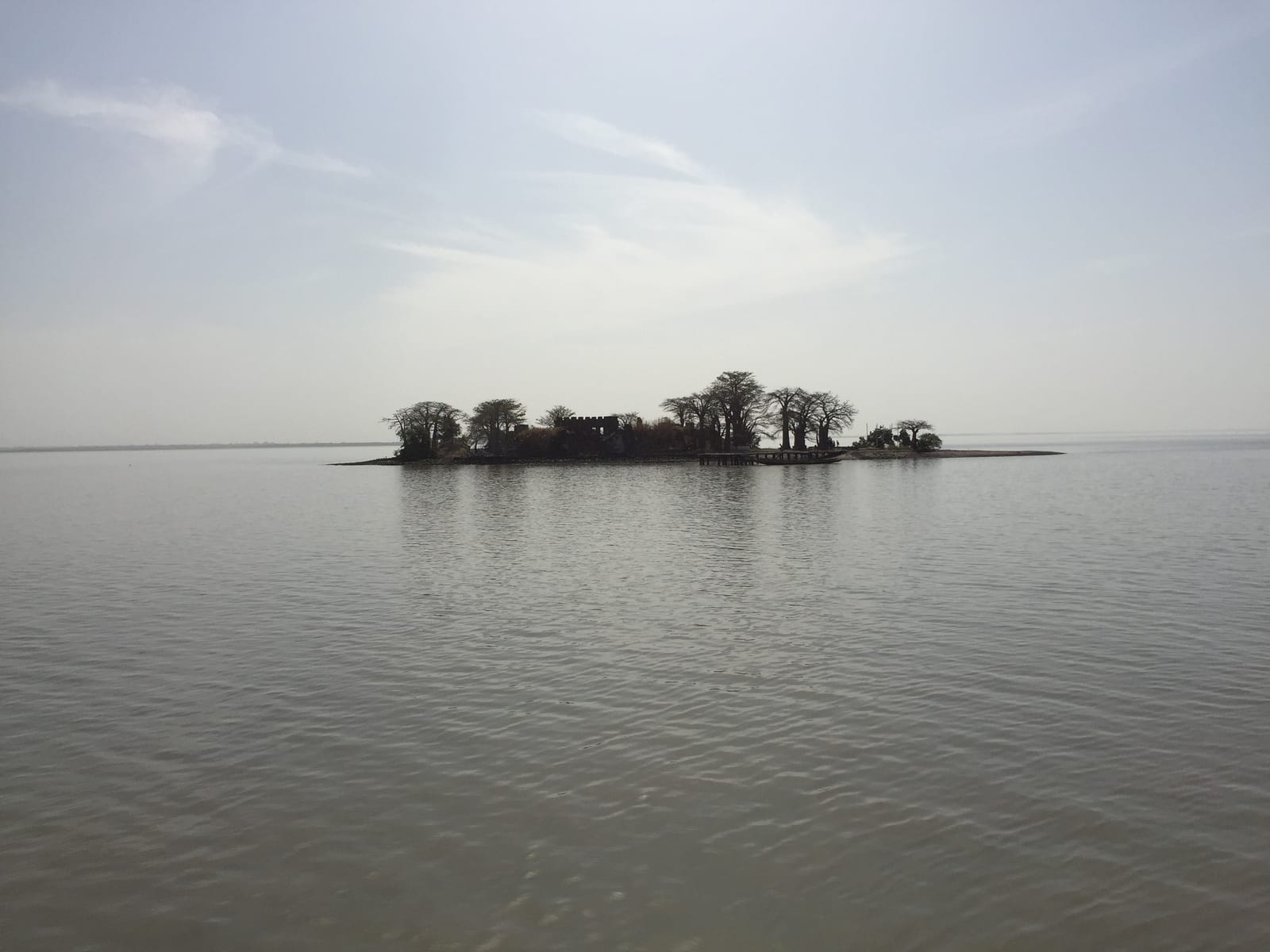
- Boat trip to a baobab island in a river creek
 Boat cruise from US$134
 Lazy Day River Cruise
- Cruise the creeks and mangrove bolongs of the lower River Gambia
- Kingfishers, herons, ospreys and pelicans from the deck
Makasutu Culture Forest FAQs
Is Makasutu worth it?
It is the trip most repeat visitors to The Gambia recommend first. If you only do one inland excursion, this or the Roots tour should be it.
What is included in a Makasutu day trip?
Typically hotel transfers, the canoe trip, a guided forest walk, palm wine tapping, a drumming and dance performance and a Gambian lunch. Drinks and crafts are extra.
Can you stay overnight at Makasutu?
Yes — Mandina Lodges sits inside the reserve, with floating and stilted rooms on the creek. It is the country’s best-known boutique property and books out well ahead in high season.
Will I see monkeys at Makasutu?
Baboons are close to guaranteed and vervet monkeys are common. Monitor lizards, mongoose and over 100 bird species are also recorded here.