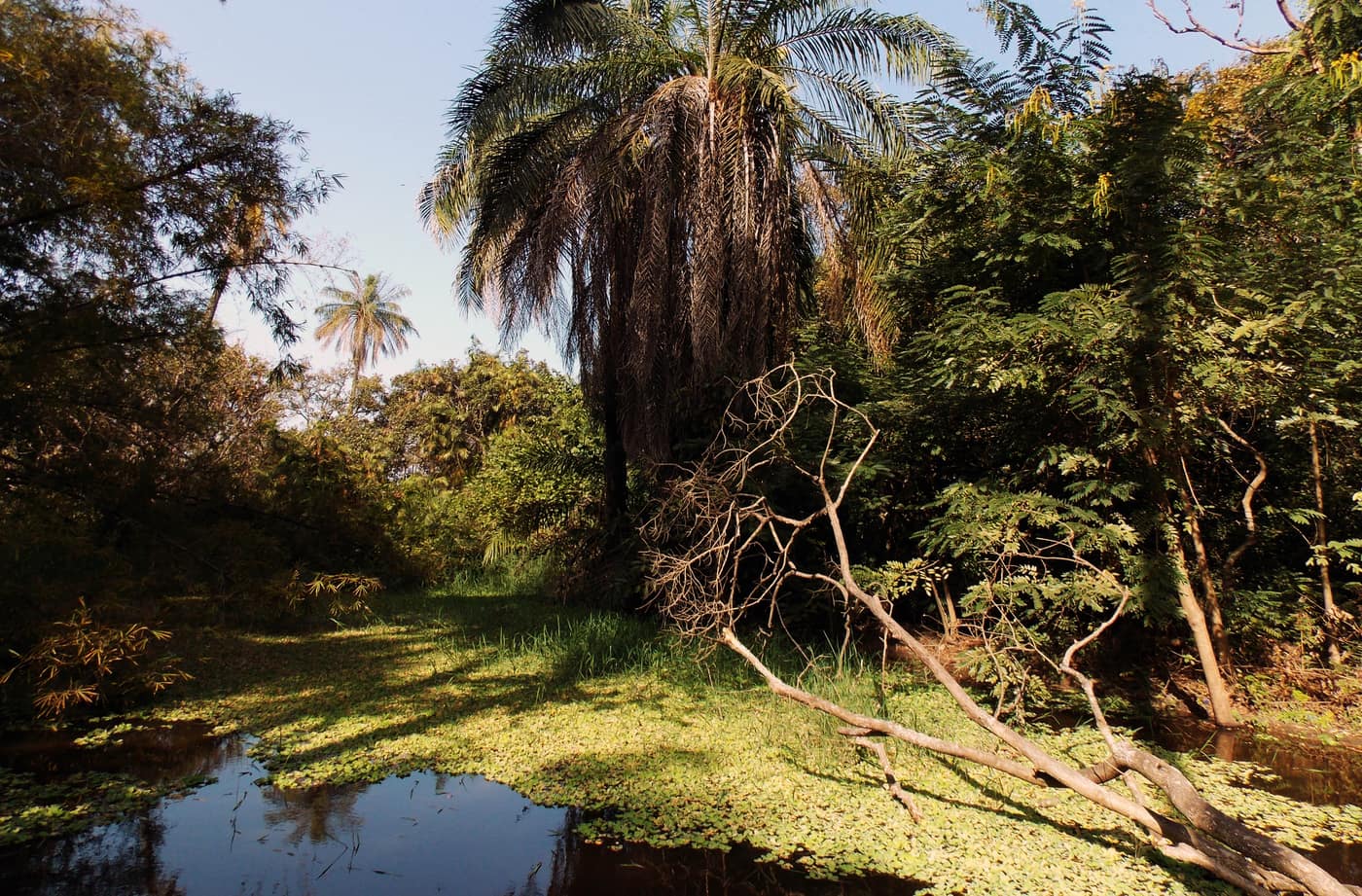
Abuko is tiny — around 105 hectares — and it is the reason The Gambia has a conservation movement at all. Protected since 1968 to safeguard a stream catchment, it became the country’s first nature reserve and remains the easiest place in West Africa to walk into genuine gallery forest without a guide, a permit or a four-wheel drive.
The reserve sits just off the airport road, twenty minutes from the coastal hotels, and a single well-made trail loops through it: dense riverine forest at the start, a crocodile pool with a raised photo hide, then drier woodland and a small animal rehabilitation enclosure before the exit.
For birders it is a fixture — over 250 species recorded — and for everyone else it is an hour of deep shade, monkeys overhead and the specific green smell of tropical forest, all within sight of the main road.
Top things to do at Abuko Nature Reserve
The crocodile pool and photo hide
A raised wooden hide overlooking the Lamin stream pool, where Nile crocodiles bask and a steady procession of herons, kingfishers and darters come to fish. The best twenty minutes in the reserve.
Look for the colobus
Western red colobus, green vervet and Callithrix (patas-like) monkeys all live here. The colobus are the prize — noisy, russet and usually high in the canopy.
Birding the forest trail
Violet turacos, hornbills, greenbuls, the African paradise flycatcher and, with luck, the white-spotted flufftail. Go at opening time.
The animal orphanage
A modest rehabilitation area near the exit holding rescued hyenas and other animals. Basic by international standards; the reserve is candid about its funding constraints.
Combine with Lamin Lodge
The famous stilted wooden restaurant on the mangrove creek is ten minutes away and makes an obvious lunch stop after a morning walk.
How to get to Abuko Nature Reserve
- Abuko is about 20 minutes from Kololi and 10 minutes from the airport, on the main Banjul–Brikama highway.
- Any green tourist taxi will run you there and wait; agree the waiting fee up front.
- It features on most birdwatching tours and many general sightseeing itineraries.
- The reserve opens early — around 8am — and early is when you should go.
Insider tips
- Arrive at opening. By 10am the forest is quiet and the birds have gone still.
- The trail is one-way and takes 60–90 minutes at a walking pace, longer with binoculars.
- There is a modest entry fee, payable in dalasi at the gate.
- Take repellent — this is standing-water forest.
- Bring binoculars if you have them. The canopy is high and the good stuff is above you.
Best tours for Abuko Nature Reserve
These top-rated experiences are the easiest way to see Abuko Nature Reserve:
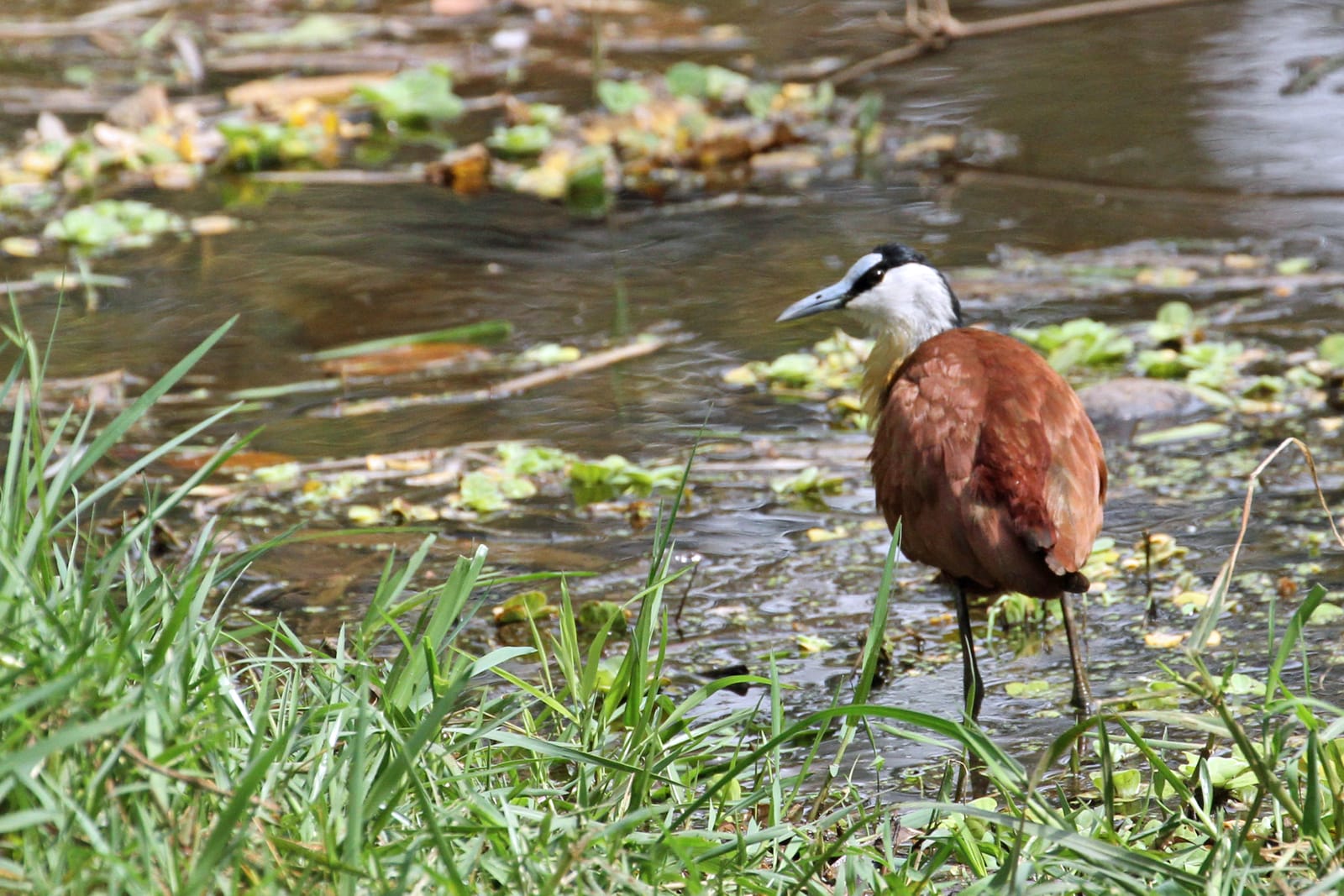 Birdwatching from US$108
 Half-Day Birdwatching
- Dawn start — the only sensible time to bird in West Africa
- Forest hides, rice fields and creek edges around Farasutu
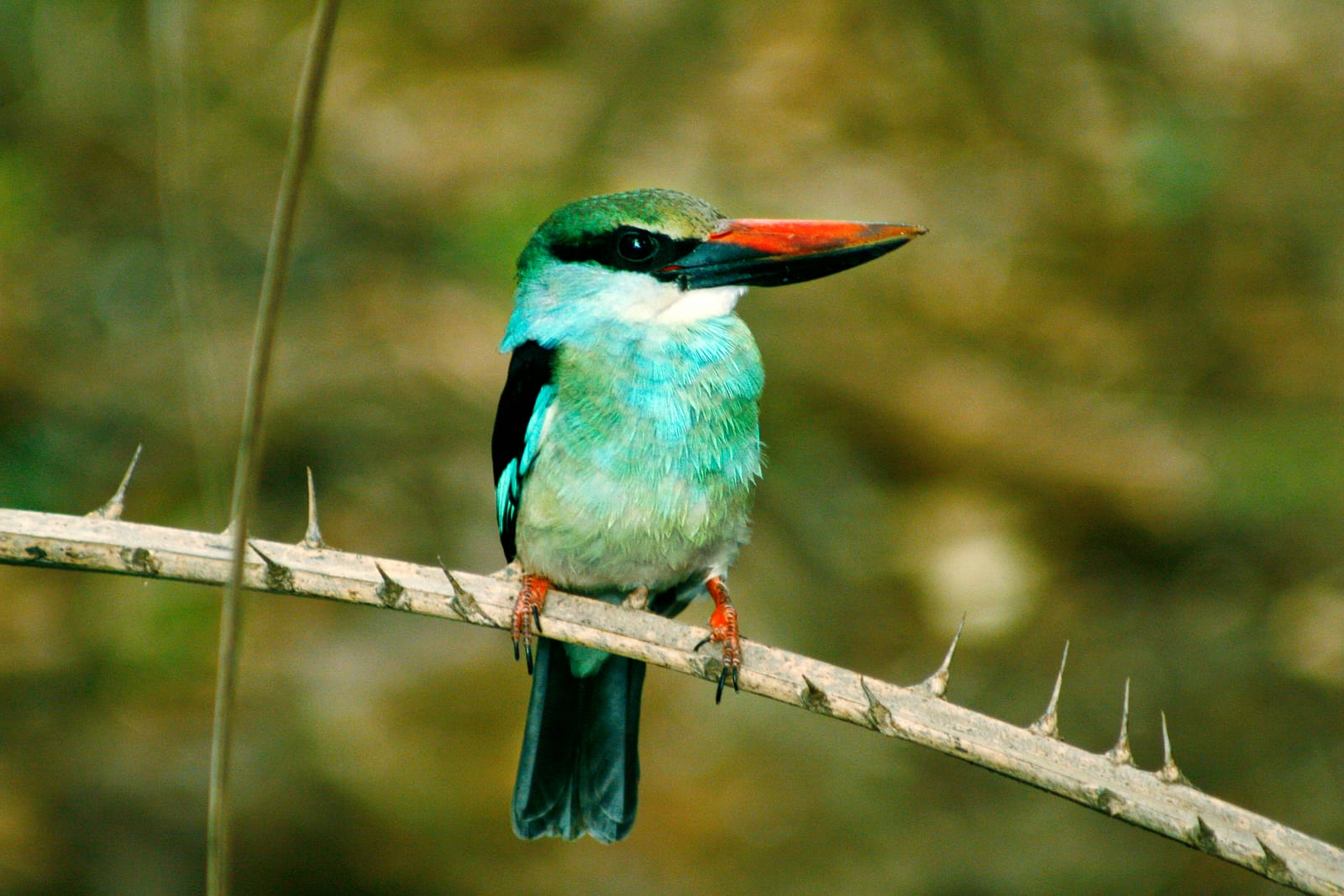 Overnight birding from US$372
 Overnight Birding Tour
- Reach the upriver habitats a day trip cannot
- Two dawn sessions — by far the most productive birding hours
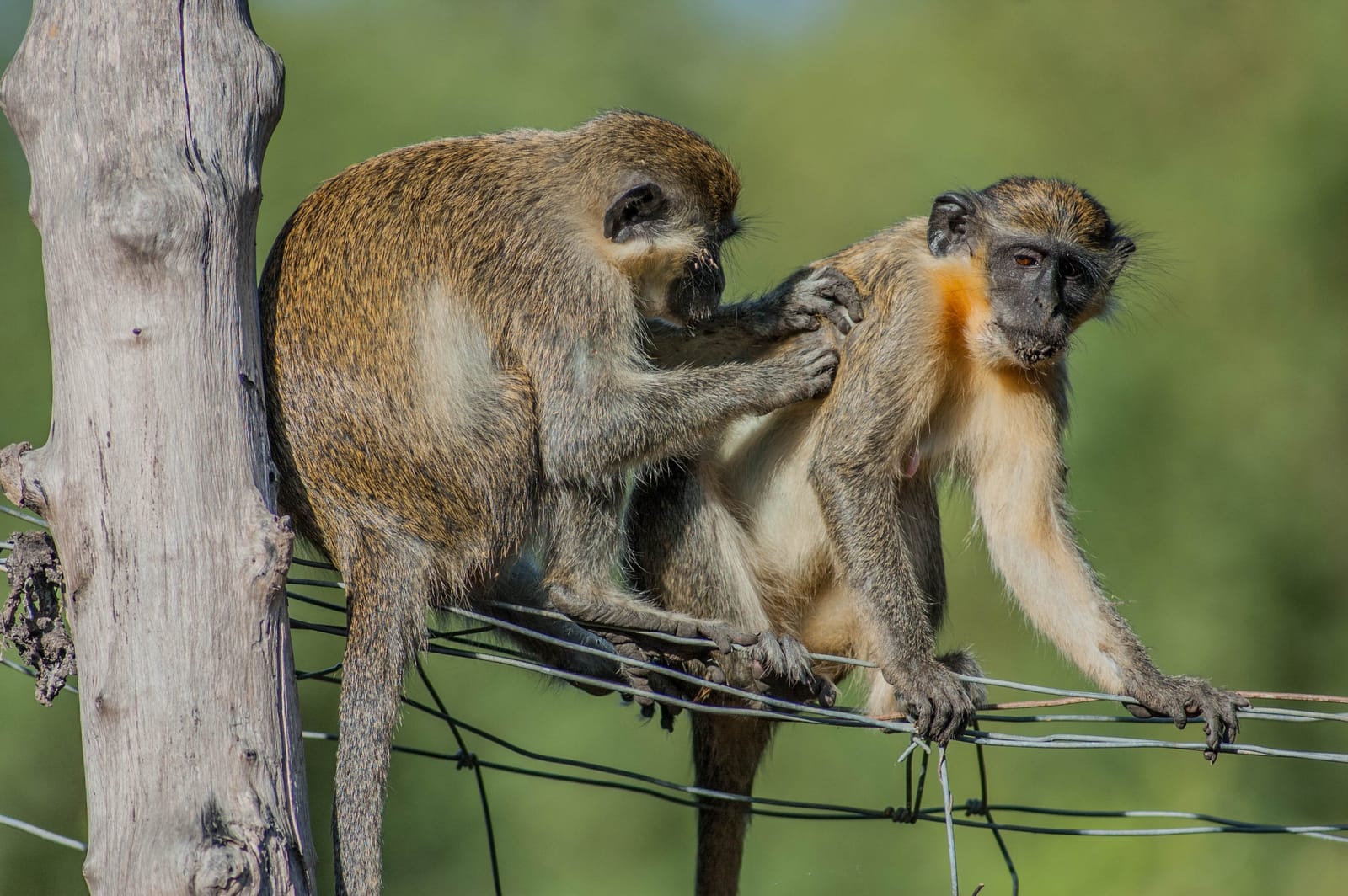 Full-day tour from US$149
 7 Attractions Day Tour
- Seven headline sights in one well-paced day
- Monkey Park (Bijilo Forest) and Kachikally Crocodile Pool
Abuko Nature Reserve FAQs
How long do you need at Abuko?
The main loop takes about 90 minutes. Birders routinely spend three hours; a family visit is comfortable in an hour and a half.
Can you visit Abuko without a guide?
Yes — the trail is clear and self-guiding. Local guides wait at the gate and are worth hiring if you want to actually find the monkeys and birds rather than walk past them.
What animals will I see at Abuko?
Realistically: monkeys, crocodiles, monitor lizards and a lot of birds. Bushbuck and duiker are present but shy, and the hyenas are in the rehabilitation enclosure rather than the forest.
Is Abuko good for children?
Very — it is short, shaded, safe and has crocodiles you can see from a hide. It is one of the easiest wildlife outings in the country.