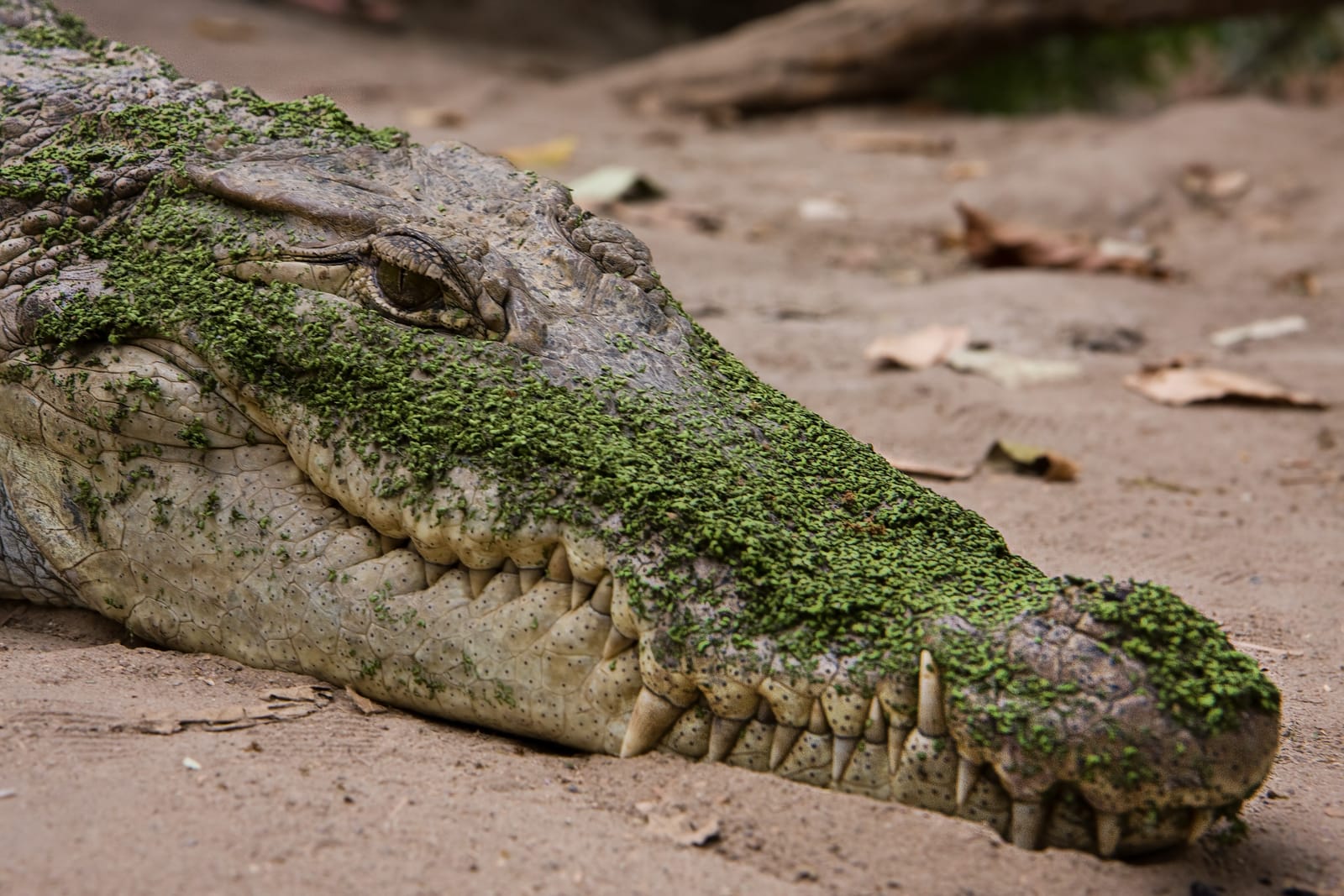
In the middle of Bakau, behind an unremarkable green wall, is a pool of dark water surrounded by forest and perhaps eighty Nile crocodiles. Kachikally is one of three sacred crocodile pools in The Gambia and the only one geared to visitors — but it has never stopped being a working ritual site.
The pool belongs to the Bojang family, who have kept it for generations. Gambian women come here to bathe in the water and pray for fertility; newborns are brought to be blessed; wrestlers wash before bouts. Tourists come for a different reason: at Kachikally, if the guide judges the animal calm, you are invited to touch a crocodile.
A small museum by the entrance covers Gambian ethnography, farming implements, musical instruments and the history of the site. It takes fifteen minutes and it is better than it looks.
Top things to do at Kachikally Crocodile Pool
Touch a crocodile
Charlie, the pool’s best-known resident, and several others are habituated enough that guides allow supervised contact on the back and tail. Follow instructions exactly, and never approach an animal on your own.
Understand the ritual
Ask your guide about the fertility rites and blessings still performed here. This is the part that separates Kachikally from a wildlife attraction, and it is the reason to come.
The museum
Two small rooms of tools, textiles, instruments and photographs covering Mandinka, Wolof and Jola daily life. A good, cheap primer.
Walk the forest path
A short shaded loop around the pool with monkeys and birds, and a second, quieter pool the crocodiles use when the main one gets busy.
Pair it with Bakau
Cape Point beach, the botanical garden and Bakau fish market are all within ten minutes, which makes an easy self-guided half day.
How to get to Kachikally Crocodile Pool
- Kachikally is in Bakau, roughly 15 minutes by road from Kololi and 30–40 from Banjul.
- It is included on almost every Banjul city tour and most full-day sightseeing itineraries.
- Independently: any taxi driver knows it. Entry is a small fee in dalasi at the gate, museum included.
- Open daily, usually from around 8.30am to sunset.
Insider tips
- Go late afternoon — the crocodiles come out of the water to bask and are far more visible.
- Touching is at the guide’s discretion and only on the animals they designate. Never test this.
- Wash your hands afterwards; there is a tap by the exit.
- Bring cash — card payment is not available.
- Be respectful if a family is performing a ritual at the pool. Step back and put the camera away.
Best tours for Kachikally Crocodile Pool
These top-rated experiences are the easiest way to see Kachikally Crocodile Pool:
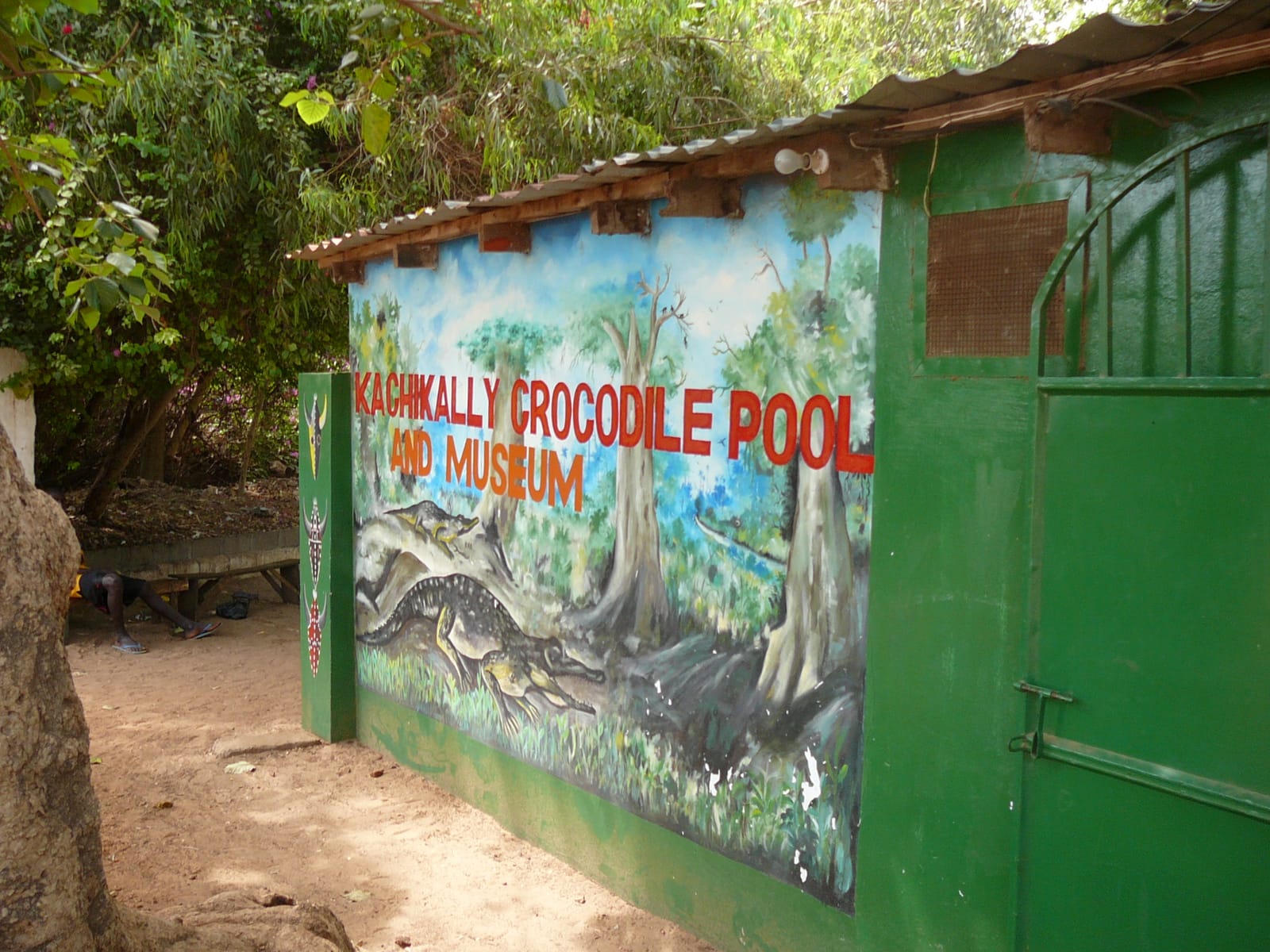 Half-day tour from US$156
 Banjul Highlights & Crocodiles
- A shorter, gentler city tour with a proper coffee stop
- Arch 22, Albert Market and the Banjul waterfront
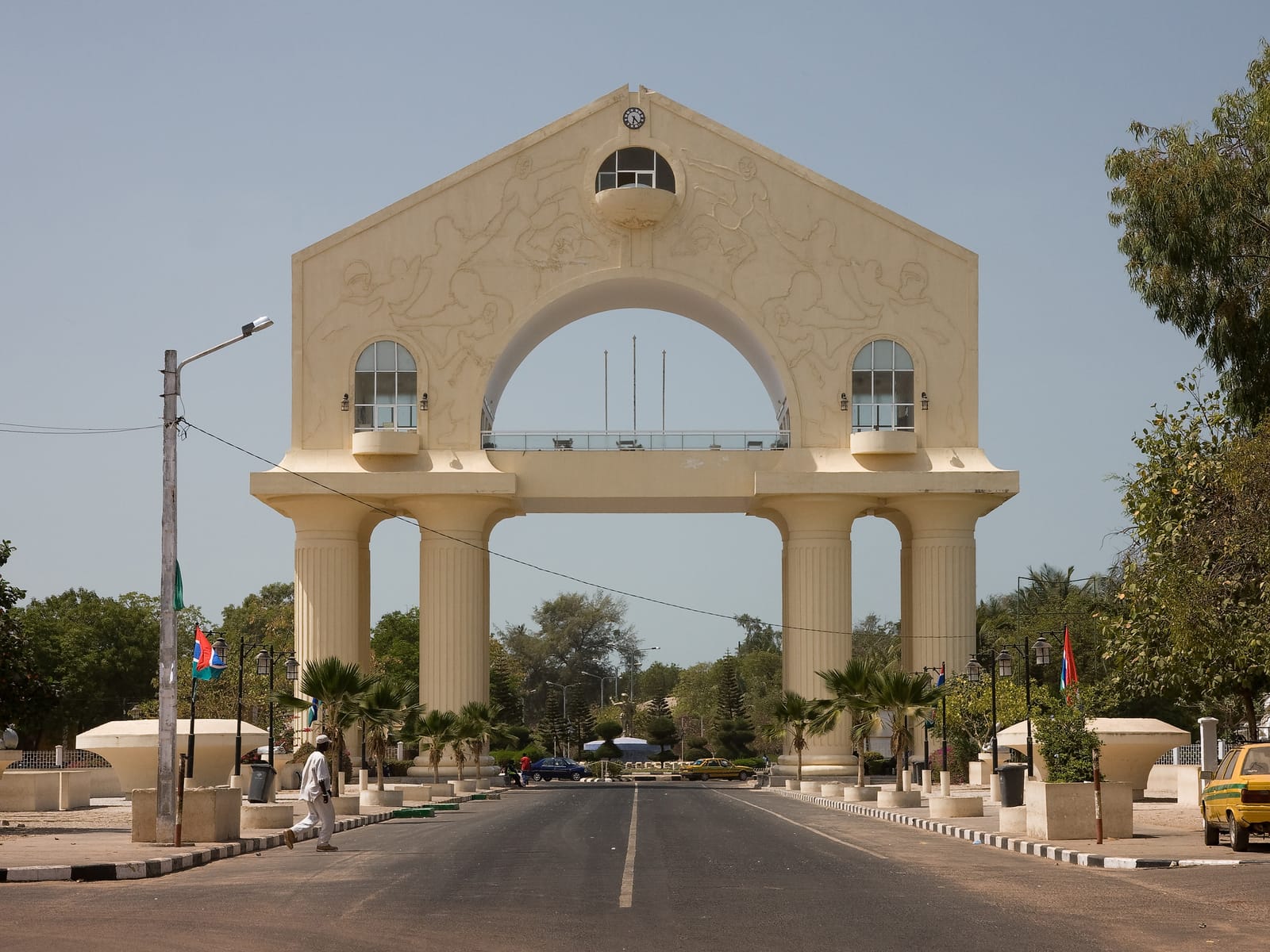 Full-day tour from US$122
 Banjul City & Wildlife Day Tour
- Climb Arch 22 for the best view over Banjul and the river mouth
- Gambia National Museum and the bustle of Albert Market
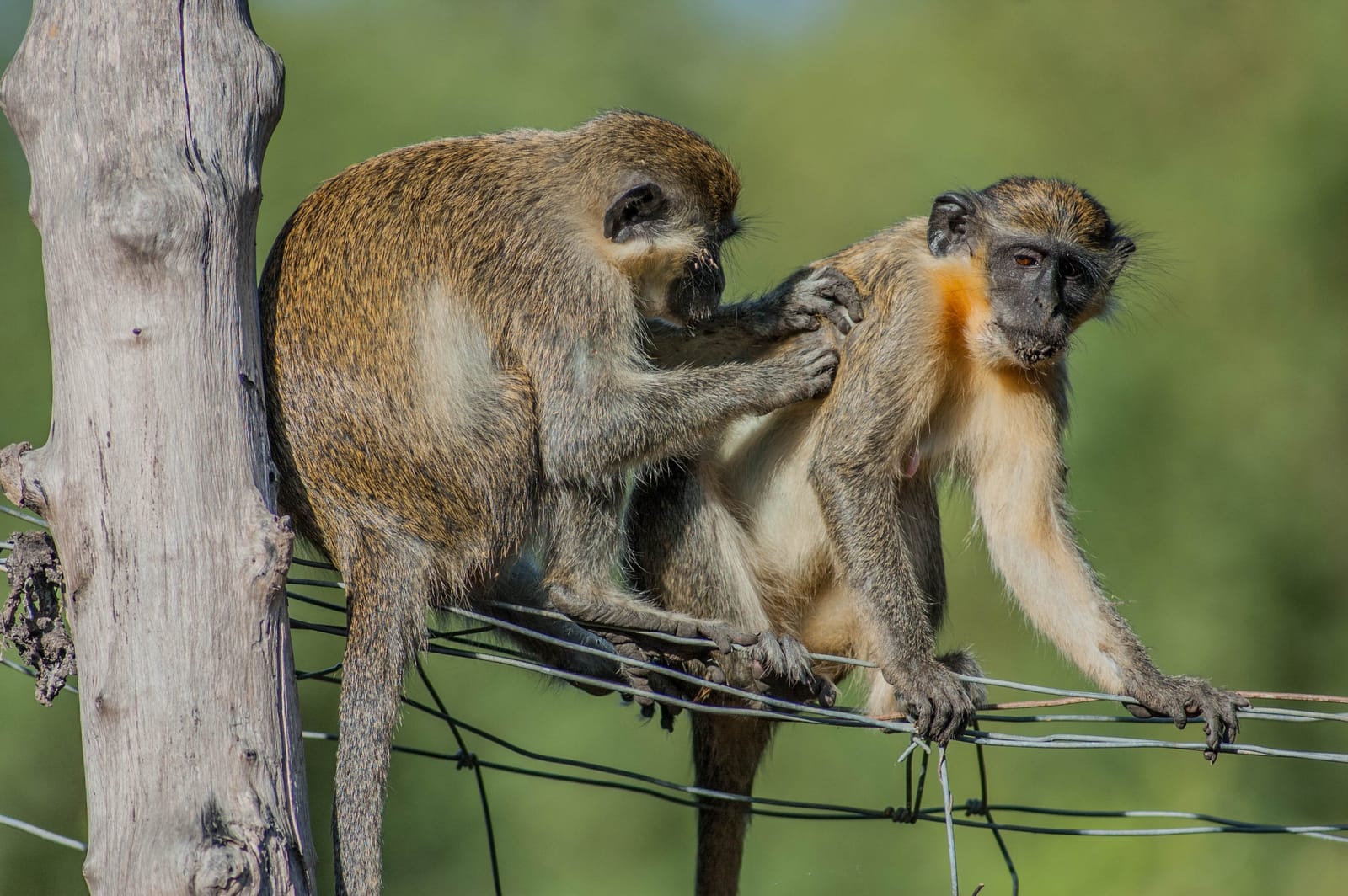 Full-day tour from US$149
 7 Attractions Day Tour
- Seven headline sights in one well-paced day
- Monkey Park (Bijilo Forest) and Kachikally Crocodile Pool
Kachikally Crocodile Pool FAQs
Is it safe to touch the crocodiles at Kachikally?
Under guide supervision, on the specific habituated animals they select, it is a long-established practice with a good safety record. The animals are wild, well fed and used to people — but they are still crocodiles. Follow the guide’s instructions precisely and never approach one alone.
Why is Kachikally sacred?
The pool has been used for fertility rites, blessings and healing by local families for generations, and remains in active ritual use today. It is a religious site that admits visitors, not a tourist attraction with a religious backstory.
How much does Kachikally cost?
A modest entry fee in dalasi, payable in cash at the gate, which includes the museum. Guides expect a tip.
How long does a visit take?
Forty-five minutes to an hour including the museum and the forest path.