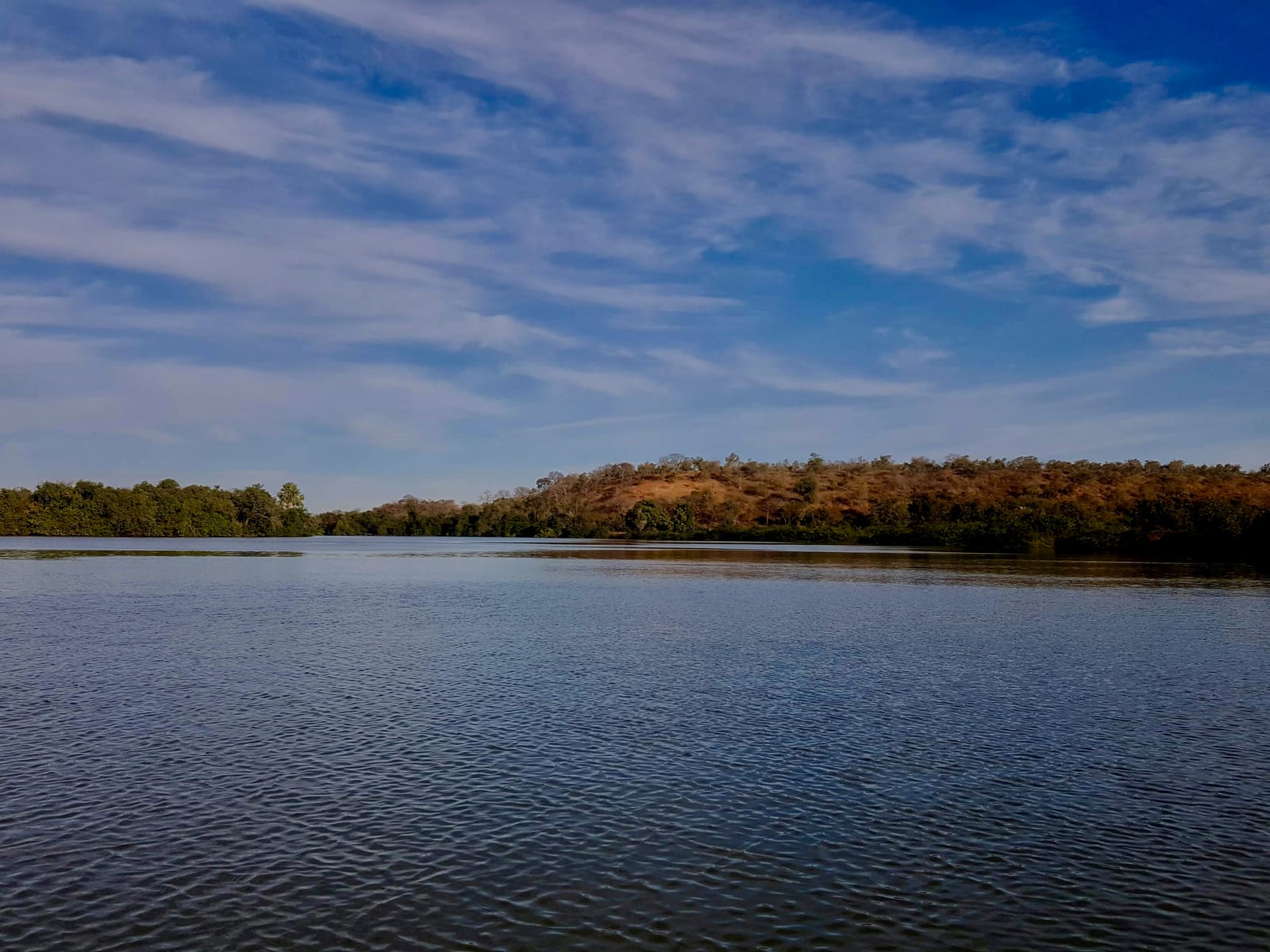
The country is the river. The Gambia exists as a strip of land roughly 50 km wide and 480 km long because the British claimed the navigable stretch of the River Gambia and the French took everything around it — which is why, if you drive east, you spend the whole day within sight of brown water and the whole day inside the same country.
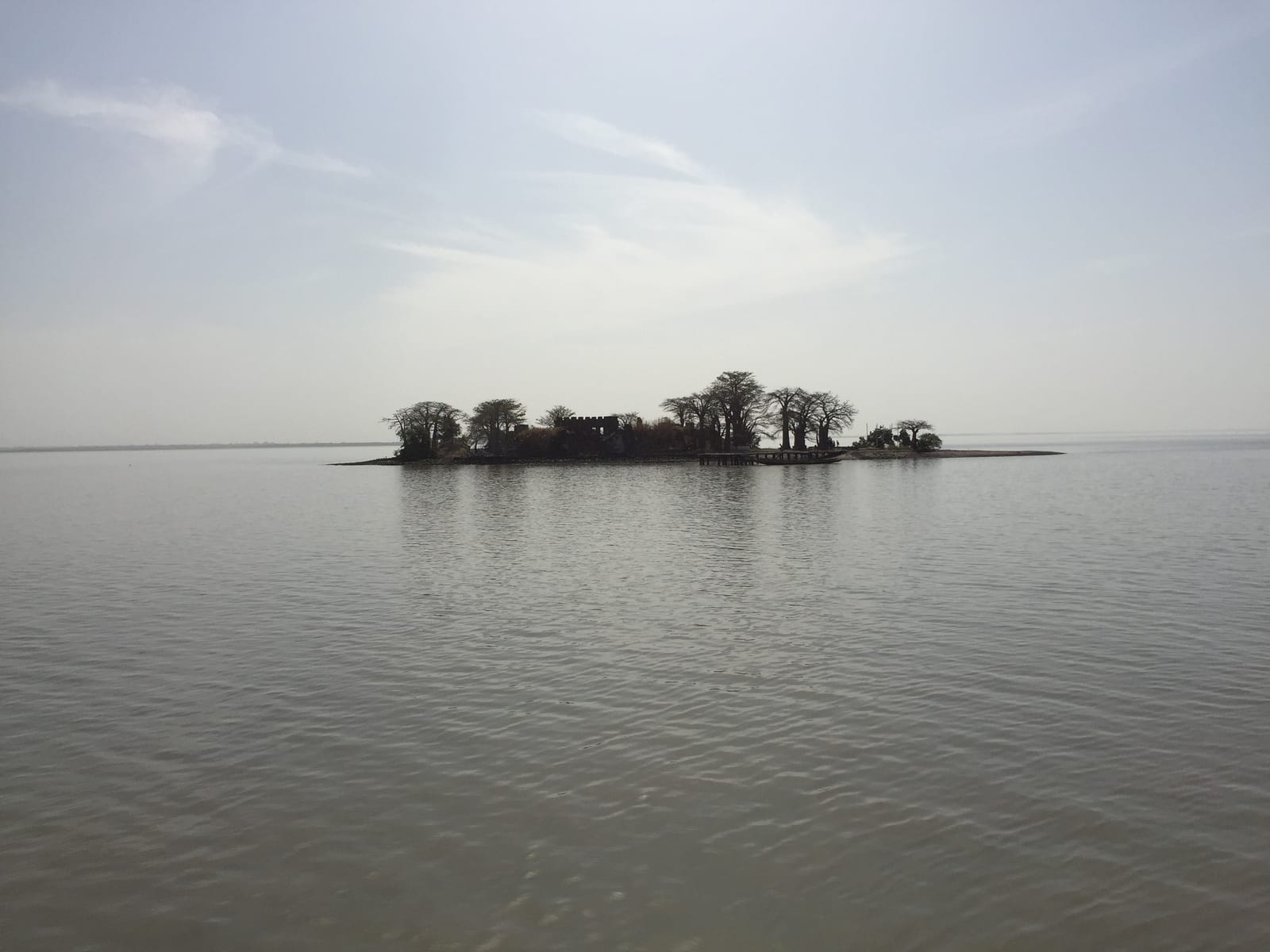
Upcountry — the Central and Upper River Regions — is a different Gambia to the coast. Baobab savannah, groundnut fields, ferry crossings, mud-brick villages, and almost no tourists. It is also where the wildlife is: hippos in the deep river bends, and the wild chimpanzees of the Chimpanzee Rehabilitation Project on the Baboon Islands in River Gambia National Park.
The obvious base is Janjanbureh (still widely called Georgetown), a small island town of ruined colonial trading houses 300 km east of Banjul. Nearby, the Wassu Stone Circles — 1,200-year-old laterite megaliths — are part of the Stone Circles of Senegambia UNESCO World Heritage Site.
Top things to do at The River & Upcountry
Look for hippos and chimpanzees
Boat trips from Kuntaur run up to the Baboon Islands. Landing is prohibited to protect the chimpanzees, so viewing is from the water — which is also how you find the hippos.
Wassu Stone Circles
More than 1,000 laterite pillars in eleven circles, raised between roughly the 3rd and 16th centuries over burial grounds. UNESCO-listed, with a small site museum.
Janjanbureh (Georgetown)
An island town of crumbling warehouses, a slave-trade site and a freed-slave-yard memorial, plus some of the friendliest guides in the country.
Bao Bolong Wetland Reserve
A Ramsar-listed mangrove and mudflat wetland on the north bank — prime territory for waders, raptors and, occasionally, manatee.
The Trans-Gambia crossing
The Senegambia Bridge at Farafenni, opened in 2019, replaced a ferry that used to hold up traffic for days. Crossing it is an unromantic but genuinely significant piece of West African infrastructure.
How to get to The River & Upcountry
- Janjanbureh is around 300 km from Banjul: five to seven hours by road on the south bank highway.
- Nearly everyone comes on a two- or three-day upcountry safari with transport, lodging and boat trips arranged.
- Doing it independently means a long bush-taxi journey and a ferry to the island — possible, but a full day each way.
- Some birding operators run overnight trips that reach the same habitats with an earlier start.
Insider tips
- Do not attempt this as a day trip. Two nights is the realistic minimum.
- Accommodation upcountry is simple: fans not air conditioning, intermittent power, cold showers. That is part of it.
- Take cash. ATMs are unreliable outside the coastal area and often out of service.
- The best hippo and chimpanzee viewing is early morning and late afternoon from the boat.
- Malaria risk is higher inland and in the rains. Take prophylaxis seriously and use a net.
Best tours for The River & Upcountry
These top-rated experiences are the easiest way to see The River & Upcountry:
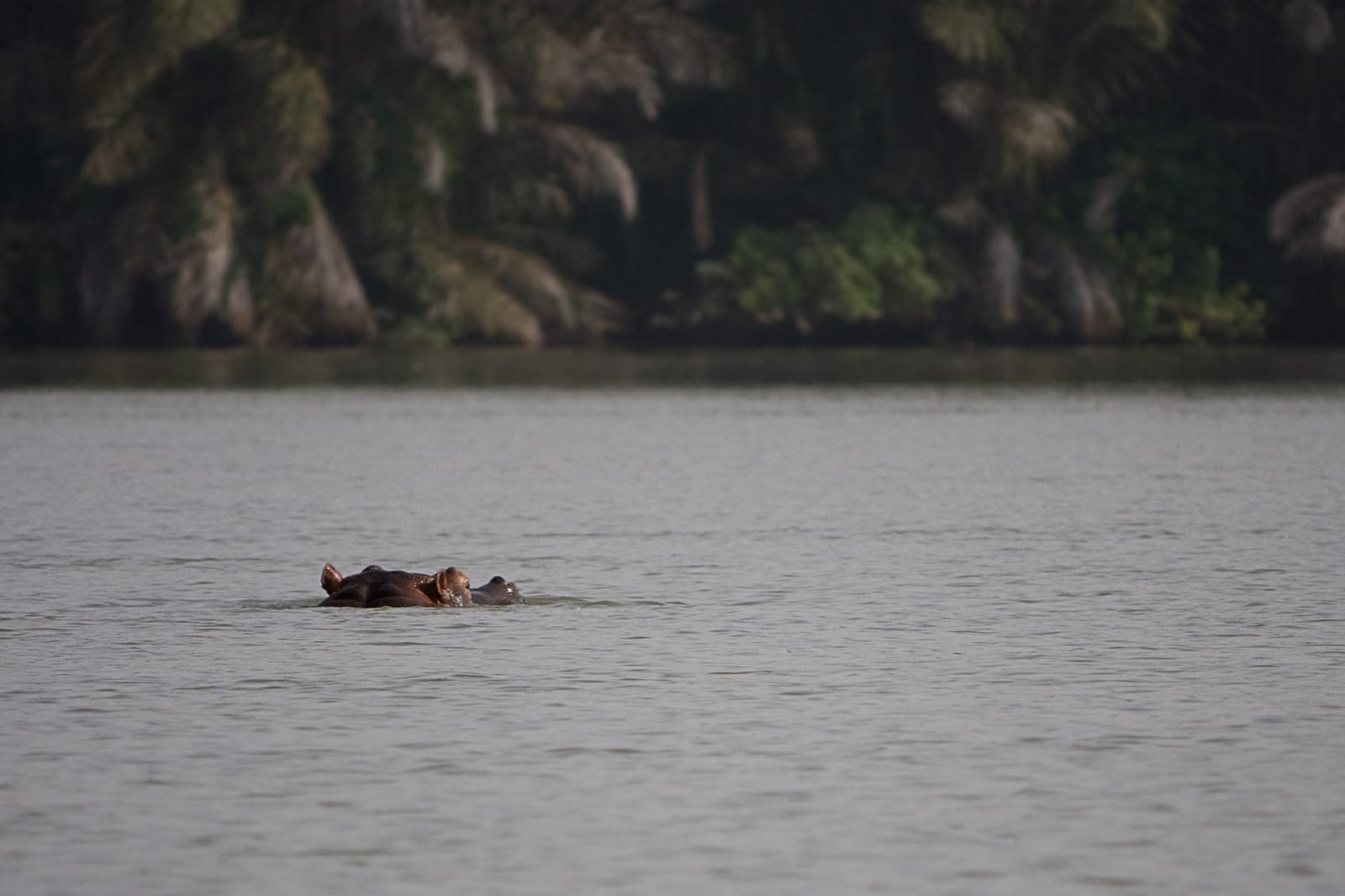 Multi-day safari from US$372
 Upcountry Wildlife & Heritage Safari
- Boat search for hippos and the wild chimpanzees of Baboon Islands
- UNESCO-listed Wassu Stone Circles
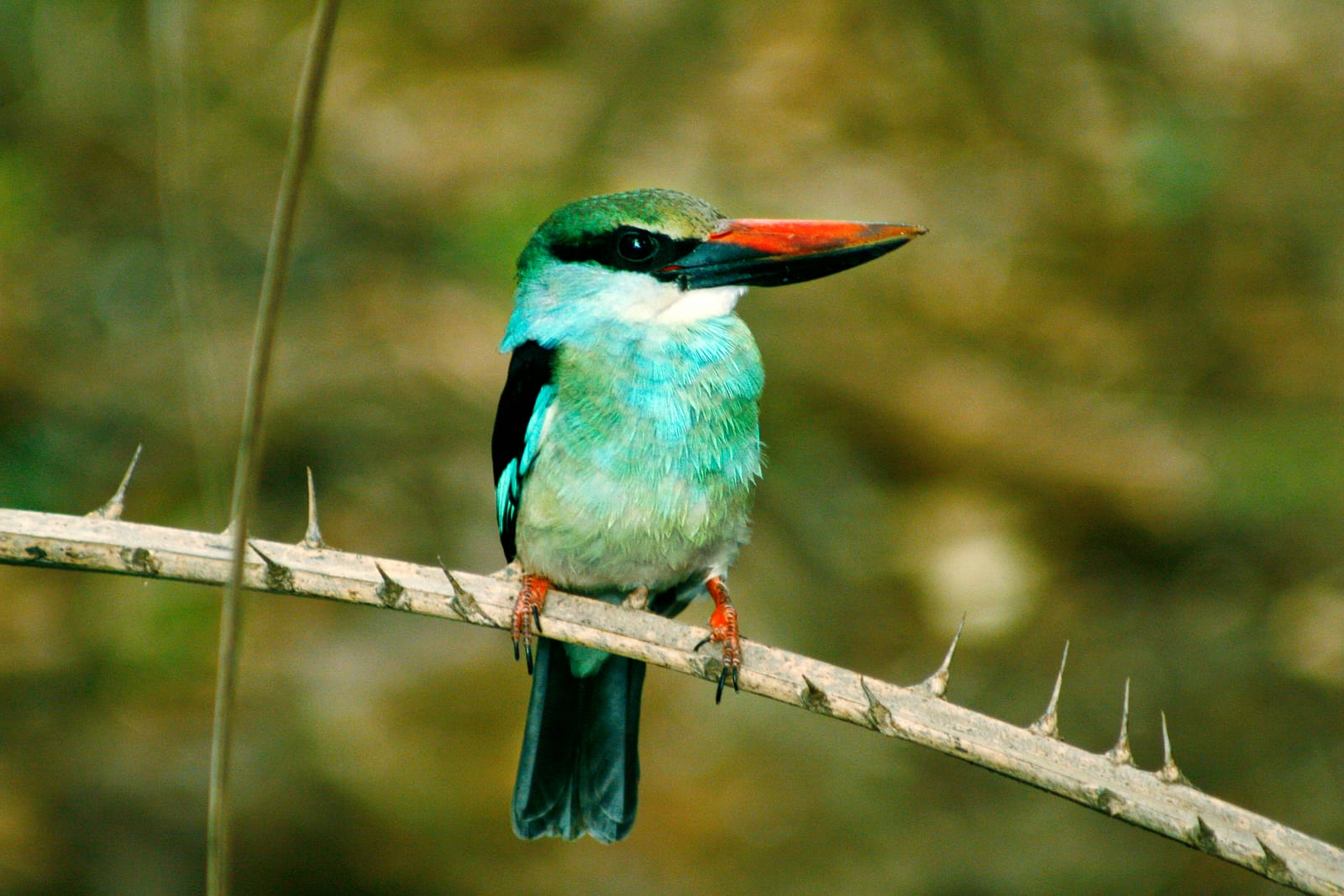 Overnight birding from US$372
 Overnight Birding Tour
- Reach the upriver habitats a day trip cannot
- Two dawn sessions — by far the most productive birding hours
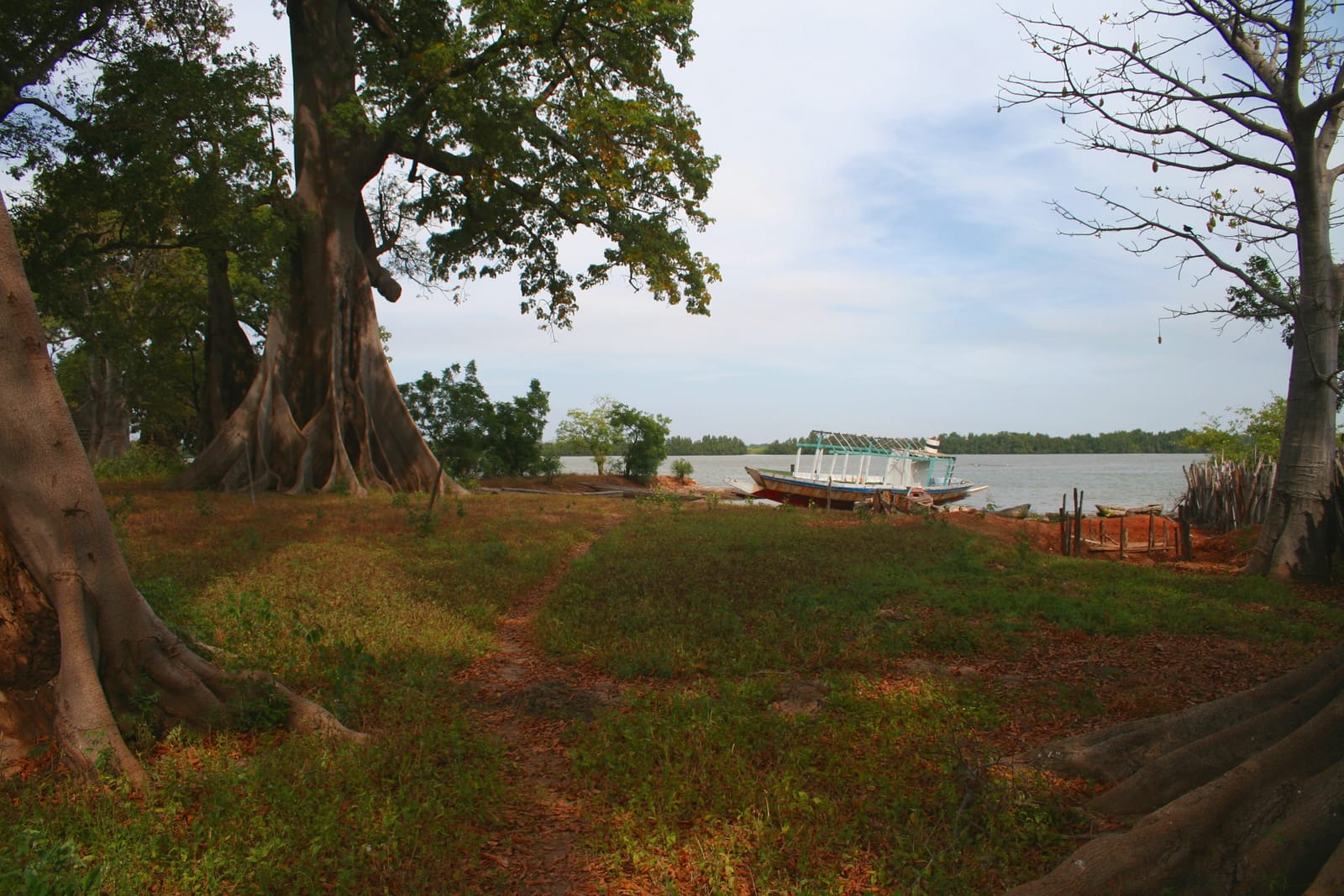 Countryside trip from US$157
 Baobab Island & Villages
- Drive into the Foni countryside away from the tourist coast
- Boat trip to a baobab island in a river creek
The River & Upcountry FAQs
Can you see chimpanzees in The Gambia?
Yes — a reintroduced wild population lives on the Baboon Islands in River Gambia National Park, managed by the Chimpanzee Rehabilitation Project. Landing on the islands is not permitted, so viewing is from a boat, and sightings are good but not guaranteed.
Are there hippos in the River Gambia?
There are, in the deeper freshwater stretches upstream of Kuntaur. Boat trips from Janjanbureh and Kuntaur regularly find them.
What are the Wassu Stone Circles?
Eleven circles of laterite megaliths marking ancient burial grounds, part of the Stone Circles of Senegambia inscribed by UNESCO in 2006. The site is modest in scale and remarkable in age.
How many days do you need upcountry?
Three days and two nights is the standard trip and about the minimum that justifies the drive. Birders and photographers often take four.